Where Did the BMW M Logo and Colors Come From?
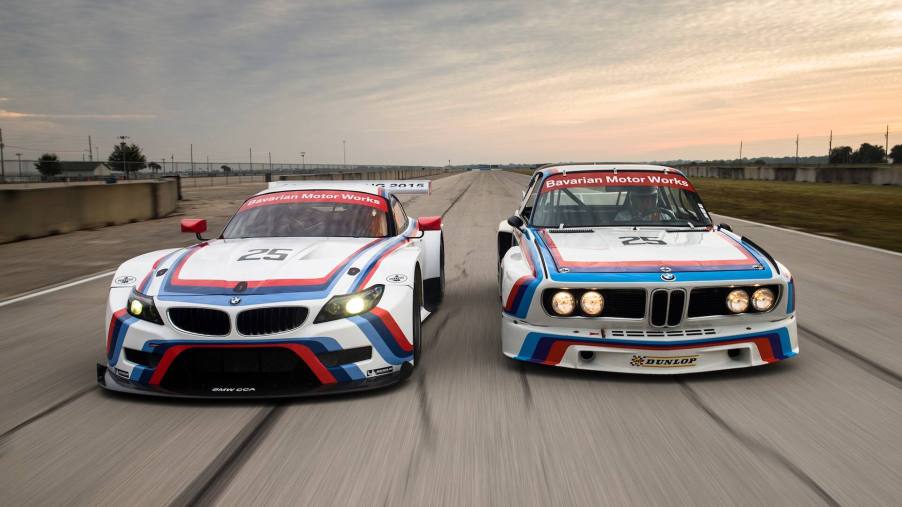
The BMW M logo and color scheme has become an iconic image of performance among sports cars. The M cars, available as traditional sports cars, coupes, and sedans, have a long-rooted history in the BMW heritage and racing, but where did the recognizable color scheme originate?
Blue, purple, red
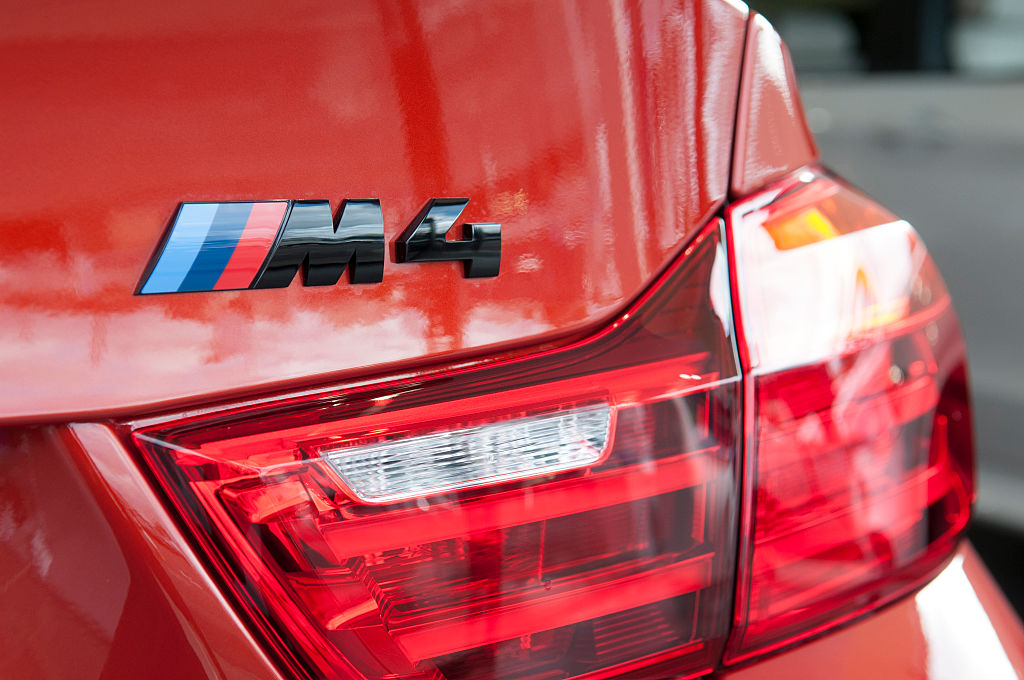
The modern-day M badge colors appear as blue, darker blue, and red, but the original color scheme was blue, purple, and red. The color scheme itself is actually older than the official M brand for the BMW cars, though most drivers today recognize them as things that go hand-in-hand. Actually, it wasn’t until 1978 that the “M” part of the badging was introduced, and prior to that, it was the colors alone that would make the cars recognizable as the performance M edition.

What does the M stand for?
While we recognize the M cars to be the performance edition of each BMW vehicle available with the option, few BMW fans can actually explain what the M really stands for. According to the manufacturer themselves, the M addition to the motorsport badging simply represents “Motorsports”. The design as we know it today, an M with the tricolor badge leaning into it’s slant, was designed by a lesser-known company, Italdesign, a design studio responsible for a great deal of concept car renderings behind the scenes.
History in motorsports
The average driver, and even BMW fan, is familiar with the street-legal production models that BMW has to offer. There is a wide variety of options from smaller coupes, convertible sports cars, practical sedans, and even performance-oriented luxury SUVs. Many of these options are available as M cars, and it does more than allude to the vehicle’s performance capabilities. Sure, the M badge has meaning that anyone can recognize, but it is also a reflection of the brand’s decades of performance and participation in various motorsports around the world.
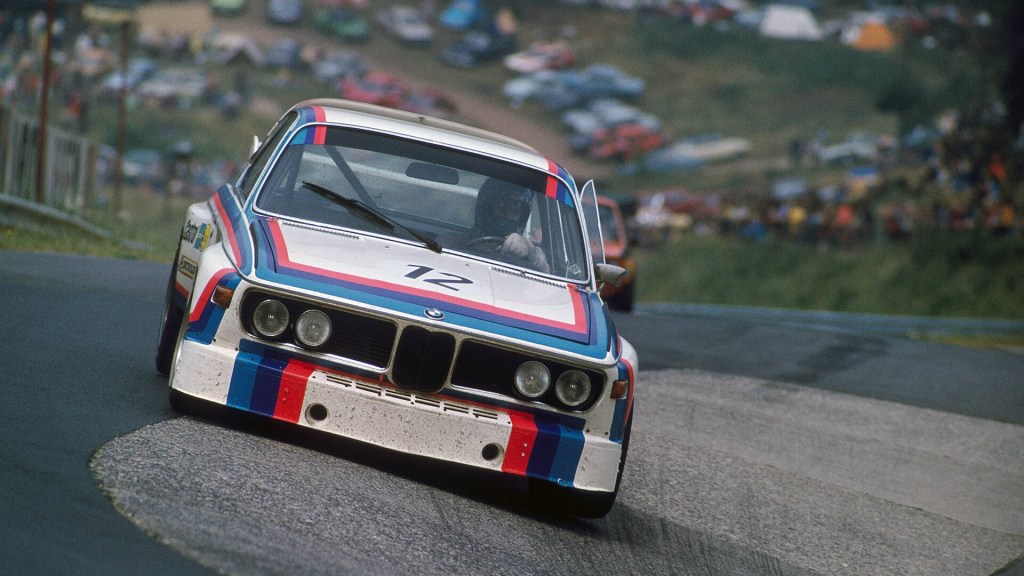
Behind the wheel of any BMW M car, you may not recognize the exhilaration as a connection to decades of racing history, but the enjoyment these cars bring is undeniable.