Much research relating to gas-powered and electric vehicles comes from the The Environmental Protection Agency. This agency is tasked with protecting the environment.
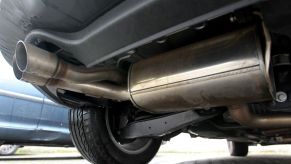
Governments worldwide have been doing a lot recently to fight climate change. One of the more serious changes has come in the form of bans on the sale of gas or diesel cars, and these bans are becoming more common. Here's a look at the countries that have banned gas and diesel cars.
For the past 18 months, the coronavirus has disrupted all forms of transportation. Labor shortages, unexpected disruptions in operations, and accidents are significant problems airline carriers face. Now, unprecedented weather conditions are also becoming a serious concern. As delays become more common, climate change will likely further affect the transportation industry in the future.
Most Americans have experienced climate change firsthand. The increase of wildfires, severe hurricanes, and destructive flooding are just a few examples. While large-scale natural disasters get the most attention, the impact of climate change on cars shouldn't be overlooked.
In 2019, a tweet about feral hogs conjured a bonkers image, but it brought a bigger problem to light: Feral hogs are spewing more pollution on the environment than a million cars. And it's not a problem that EVs can fix.
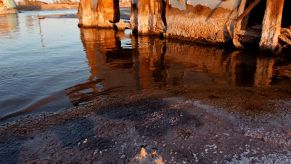
GM is putting together a plan with mining company Controlled Thermal Resources, to mine 40 percent of the lithium needed for EVs at the Salton Sea, one of the most environmental Hell holes on earth.
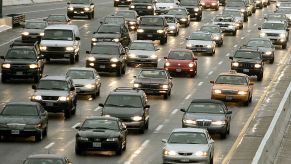
Today is Earth Day. In an effort to help provide information on how the transportation industry is making efforts to create, and some cases repurpose traditional infrastructure into cleaner alternatives, today I will focus on the concept of Greener Highways. Traditionally a highway was built to provide a transportation benefit for community growth. In times past, that was a matter of acquiring …