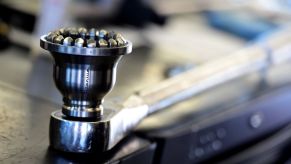
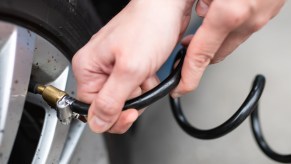
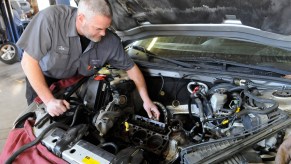
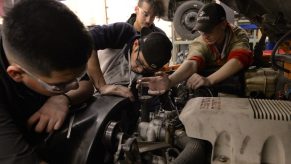
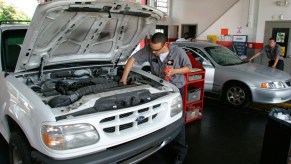
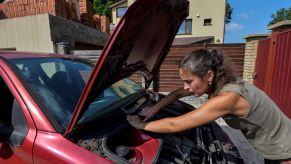
If you're a DIY mechanic and you like to do your own repairs and upgrades yourself, you should add these five awesome tools to your collection to make your life much easier!
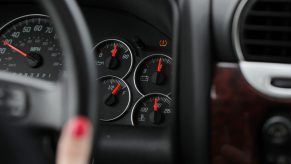
The problems that cause your car to fail its emissions test are repairable--some are DIY-able even--but they must be addressed if you want to keep your car street-legal.
Maybe you work from home and don't drive often. Perhaps you have a weekend-only car. Either way, a car that isn't driven often still needs basic upkeep!
Although a few hybrids and electric cars can jump-start their own 12-volt batteries, most can't for safety reasons due to how their electrical systems are laid out.
Here are a few basic things to keep in mind if you want to keep the lifespan of your summer tires happy. With these tips, two years of use should be no problem!
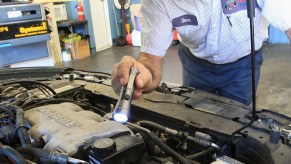
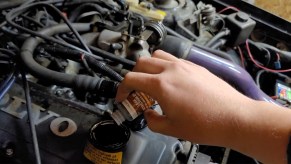
Nothing is more frustrating than trying to find the source of a pesky oil leak. However, using UV oil dye, you can quickly trace the source of the leak in just minutes.
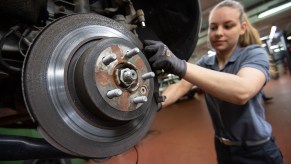
With regenerative braking causing many electric cars to use their physical brakes less frequently, it means those cars need to take additional maintenance steps into consideration.
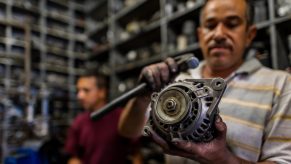
There's no shame in having a trained mechanic replace your car's alternator. However, you can cut the bill in half by doing it yourself, which isn't too difficult.
A car alternator that's going bad from age, heat, or wear presents several symptoms. And if you're unsure if the battery or alternator is at fault, you can test them.
Your car's alternator keeps its 12-volt battery charged up and powers its lights and electrical accessories once the engine is running by generating an electrical current.
With so many people willing to give advice when it comes to basic car maintenance, it's hard to know what to trust. Here's five examples of common myths in car repair.