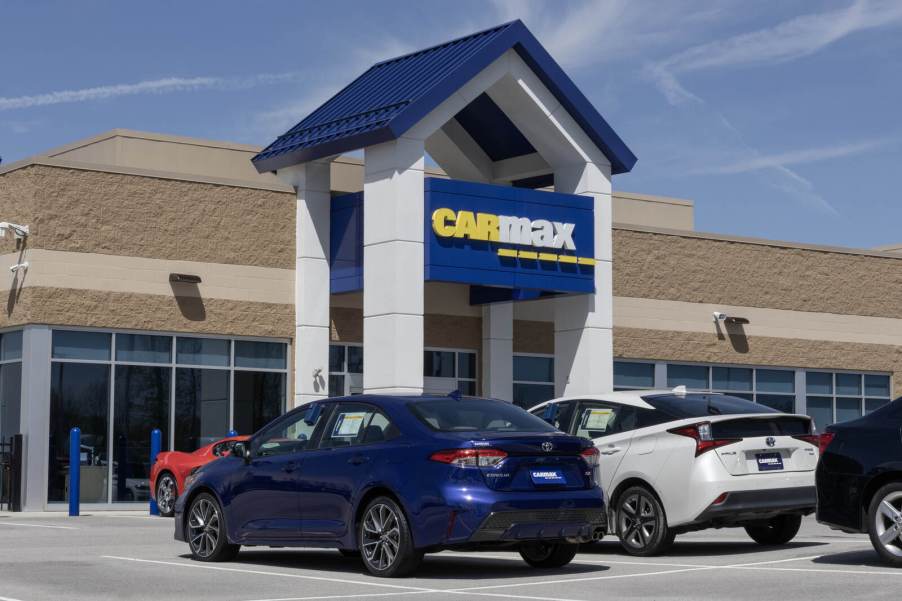
North Carolina Driver Unknowingly Buys Infiniti Reported Stolen 5 Years Ago From CarMax
Buying a used car from a national chain is supposed to take the edge off the process. You skip sketchy meetups, the vague stories, the parking lot test drives with crossed fingers. You go somewhere like CarMax because the cars are vetted, the paperwork is handled, and the risk is lower. At least that’s the idea.
For a woman in Garner, North Carolina, that assumption unraveled after she drove home in her 2019 Infiniti Q50 Luxe.
According to Raleigh police, the sedan she bought through CarMax had actually been reported stolen about five years earlier. By the time law enforcement caught up to the car, she was left without the vehicle and out thousands of dollars.
The CarMax case surfaced through a broader investigation
Search warrants released in Wake County show that an officer with the Polk County Sheriff’s Office in Florida contacted Raleigh police.
They’d been probing a large multi-state car theft ring. Investigators believe the ring may involve some 200 stolen cars spread across multiple states. Authorities identified the Infiniti sold by CarMax as one of them.
Police said CarMax sold the car even though it had a fake VIN
It’s not like CarMax meant to, though. That fake VIN allowed the vehicle to pass routine checks.
The theft record remained tied to the original VIN, not the cloned one attached to the car. As a result, the problem wasn’t discovered until after the sale.
CarMax explained that it provides a free AutoCheck vehicle history report for every car it sells. According to WRAL, at the time of the sale, the report didn’t flag the Infiniti as stolen.
The company said VIN cloning can prevent history reports from showing theft records and stated it plans to reach out to the customer directly to review what happened and offer assistance. CarMax also said it is not a subject of the Florida investigation.
The Polk County Sheriff’s Office confirmed the investigation is ongoing and declined to release additional details.
How to avoid buying a stolen or cloned car
Buyers can protect themselves by checking that the VIN matches across the dashboard, driver door, engine bay, and title. Ask to see the title, then look up the car on the state registry. Ask for for maintenance and repair history. Check for any discrepancies, like color and trim details.
Any mismatch is a reason to stop. A pre-purchase inspection by an independent mechanic can also reveal altered VIN plates or missing factory labels.
Keep in mind that large dealers reduce risk, but they don’t erase it.