Which states have made DUI checkpoints illegal?
Last weekend, police agencies around the country deployed DUI checkpoints with the express purpose of catching drunk drivers in the act. But not every state in the union permits such tactics. In fact, 12 states prohibit police from using checkpoints, in some cases citing a violation of the state constitution.
38 states allow DUI checkpoints to catch drunk drivers in the act. The rest? Not so much
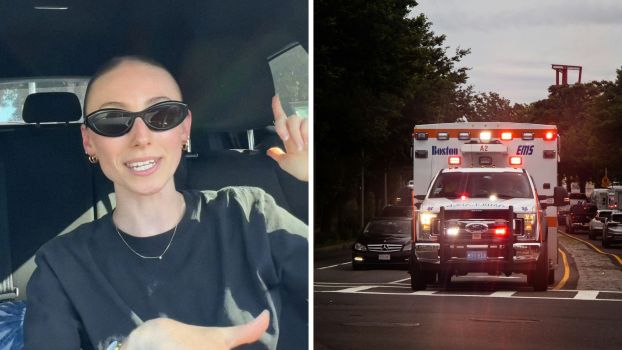
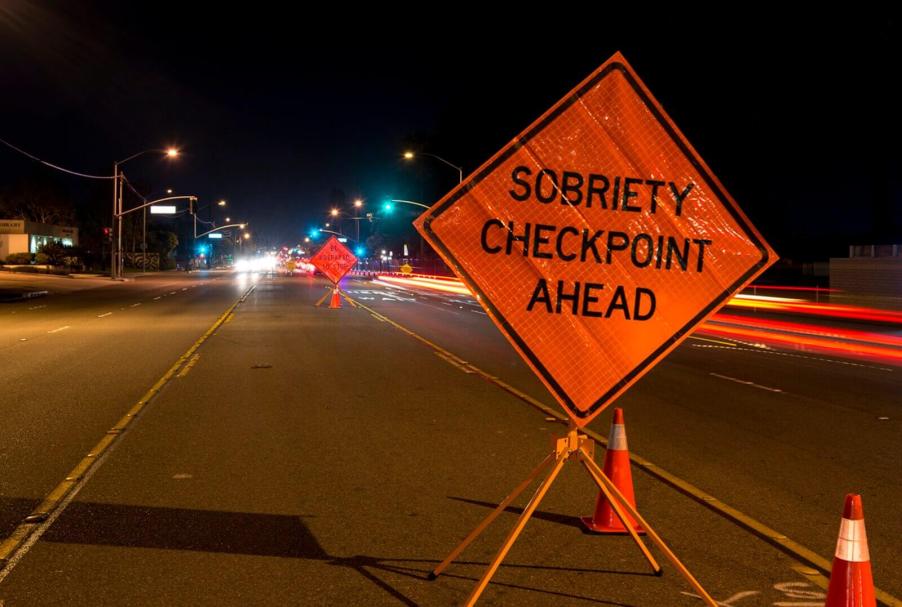
You’ve likely seen one in person or on television before. A row of cones, police vehicles, and law enforcement officers is slowing and stopping traffic up ahead, often in the dead of night. It’s a DUI checkpoint. Cars drive up, interact with the police, and, in most cases, carry on driving.
However, in some cases, police pull a motorist out of their vehicle, give them a sobriety test or breathalyzer, and arrest them on the spot. Still, these checkpoints aren’t legal in every state. In Oregon and Michigan, for example, checkpoints are prohibited under their respective state constitutions. But most states allow checkpoints for detecting and arresting impaired drivers.
As of some of the most recent data, these 12 states prohibit the use of DUI checkpoints.
- Alaska
- Idaho
- Iowa
- Michigan
- Minnesota
- Montana
- Oregon
- Rhode Island
- Texas
- Washington
- Wisconsin
- Wyoming
However, for the 38 remaining states, not every one is a hard-and-fast yes for the use of checkpoints. For instance, as of 2023, New Hampshire and South Carolina allow for checkpoints as long as authorities have judicial approval. And for high-risk timeframes, like the Fourth of July weekend, police are that much more likely to get approval.
That said, law enforcement is typically required to notify residents of the intent to set up DUI checkpoints in the area, per Find Law. In other cases, like Montana, police won’t use a traditional checkpoint. Instead, authorities use tactics like saturation patrols, also known as a dedicated DUI patrol, to crack down on impaired drivers. As it sounds, the police tactic adds additional vehicles to an area for a specific period for the primary purpose of finding and arresting drunk drivers.