What Is a Zero-Down Car Loan?
If you want to buy a car and can’t afford its total cost, a zero-down car loan can help you immensely. A zero-down car loan is one that doesn’t require a down payment and covers the cost of the entire car – including its taxes, fees, and registration costs. But how does a car buyer qualify for a zero-down loan, and is it a good idea to get one?
How do I qualify for a zero-down car loan?
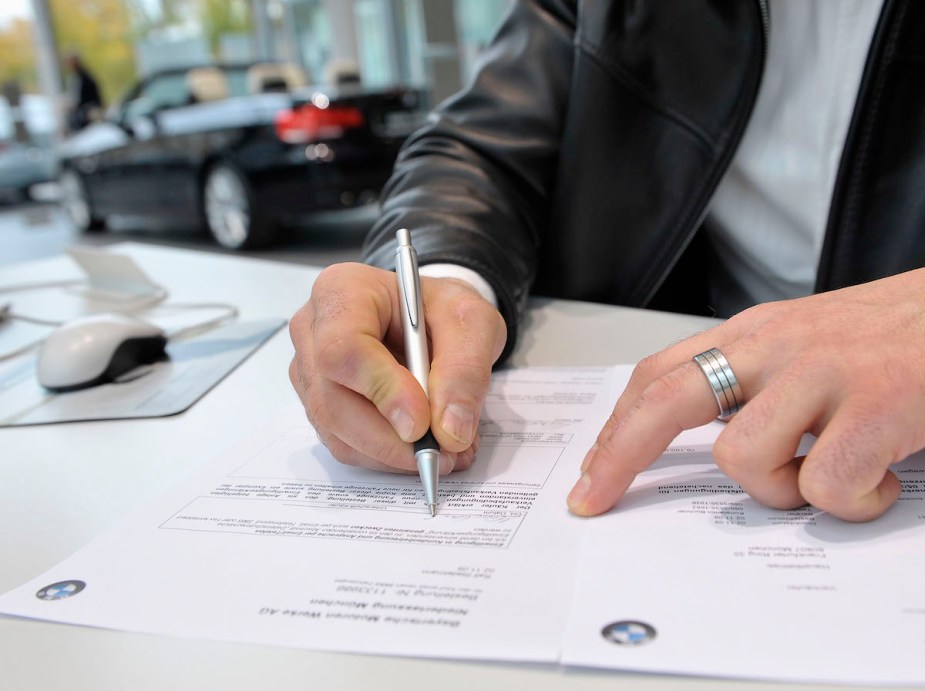
For a car buyer to qualify for a zero-down car loan, most banks want them to have a credit score of at least 600 or higher. But your credit score isn’t the only deciding factor. The banks, or lenders, will also look into your credit history, debt-to-income ratio, and income. If these factors are in good standing, you will have greater odds of receiving a zero-down car loan.
The benefits of a zero-down car loan
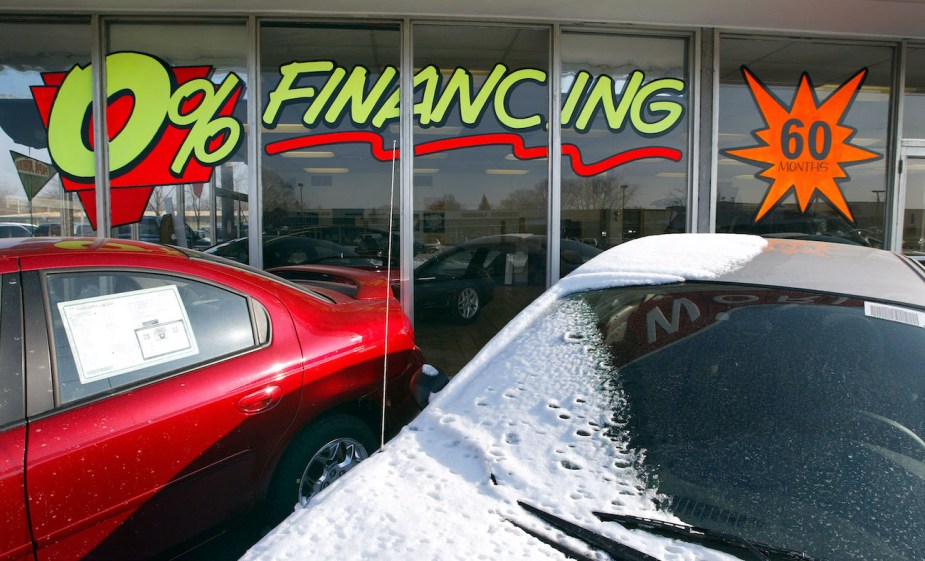
There are a few perks to buying a car with a zero-down loan. According to Capital One, some of the main benefits include:
- You can buy a car without any money on hand, which makes buying a car cheaper in the short term.
- You can spend the money that you would have spent on a down payment on something else or save it.
- Having an auto loan will help improve your overall credit score
By taking out a zero-down auto loan, you’ll be able to purchase a car outright and increase your likelihood of obtaining another loan in the future. However, there are some cons to this type of loan as well.
The drawbacks of taking out a zero-down loan

It may sound like automotive heaven to buy a car without whipping out your cold hard cash, but it’s not the perfect method. Here are the potential drawbacks of using this method:
- You will pay more interest over time: Remember that a zero-down auto loan means you won’t have a down payment, but you will still have the interest to pay. Since there’s a larger principal interest amount, you’ll likely pay more interest over time.
- Higher interest rate: To add to that last point, a no-money car loan will typically have a higher interest rate since you’re not putting in any collateral, and the loan-to-value ratio will be higher.
- Upside down on car loan: Since the loan amount on the car will be higher than if you were to put a down payment, and the car’s value depreciates, you’re more likely to be upside on the loan.
- Higher monthly payment: With no money down, the loan amount will be higher, leading to higher monthly payments.
Is it worth it to get a zero-down loan?
Yes, as long as you can afford the monthly payments. One key component of obtaining a zero-down loan is to buy a car that you can comfortably afford. That way, you can ensure that you’ll be able to pay the loan off in the necessary amount of time. Otherwise, it could be a wise idea to put a down payment on a car loan if you’re planning to buy a more expensive car or need lower monthly payments.