What Does a Dealer Do With My Trade-In?
Trading in your vehicle to a dealer is sometimes difficult. It can often seem like losing a friend or leaving behind something connected with some memories. Many people often wonder what happens to their car after they’ve traded it in. Does the dealer crush them all to pieces at a junkyard? Sell every car for double the price they paid you? I worked for over half-a-decade in dealerships, overseeing used car inventory. Here are the ins and outs of what a dealer does with your trade-in once you’ve driven away in your new car.
The dealer determines the market value of your trade-in
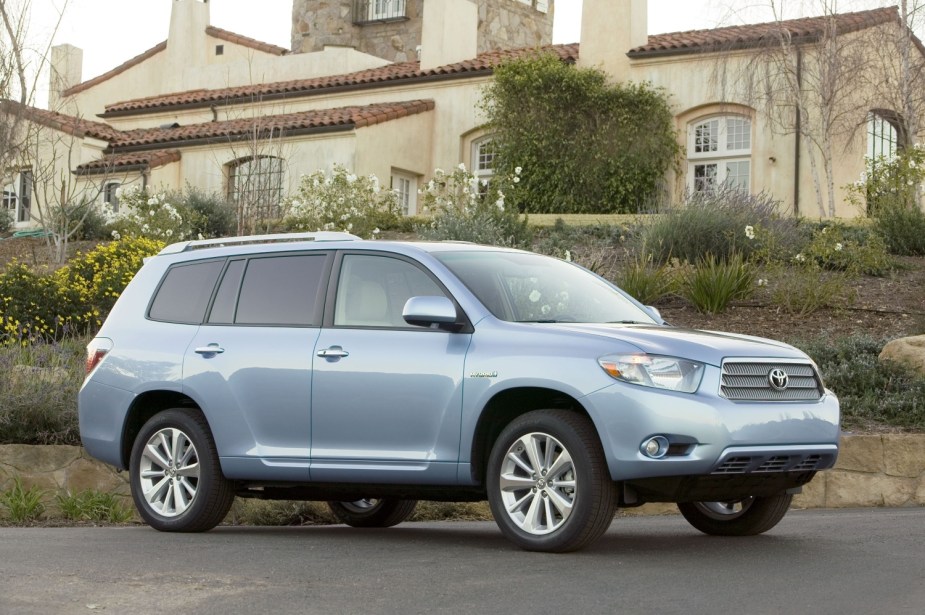
Before any transactions occur, the dealer will determine the market value of your trade-in. In layman’s terms, that simply means how much they can sell your vehicle for. This includes the year, make, model, condition, color, mileage, and many other factors, including location. Each of these things affects your trade-in’s value and will determine how much the dealer pays. Using this information, the dealer will decide how much it’s worth paying you.
This number is usually far below what most customers expect. That’s because when you research your vehicle, you’ll find the price it’s worth that the dealer will likely sell it for. However, the dealer will subtract maintenance costs based on the vehicle’s needs. Tires, paint, dent fixes, upholstery repair, brakes, an oil change, and more go into the cost of the car. Then, they’ll want to make a profit, so you’ll receive an amount the vehicle is worth before all those repairs.
What about when I leave my trade-in?
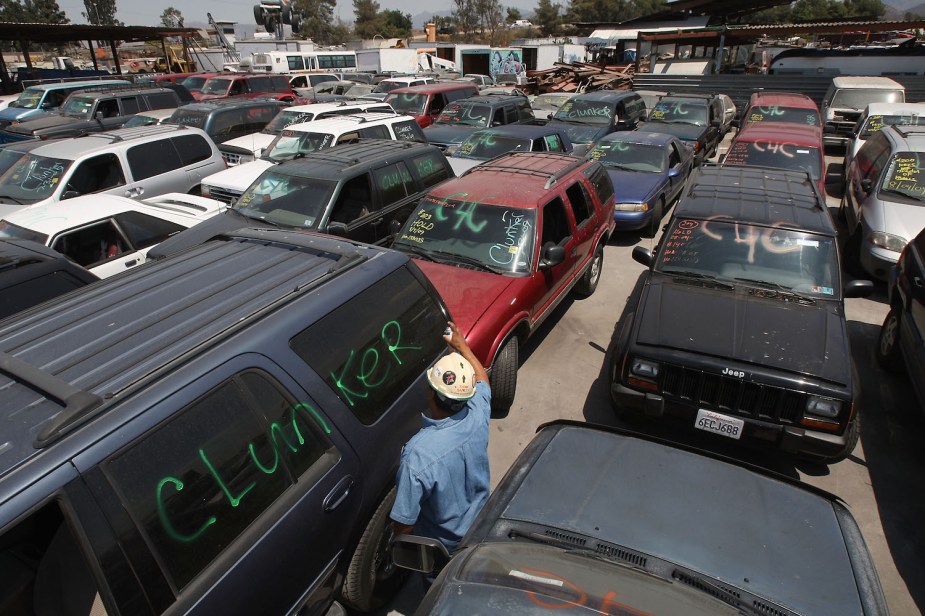
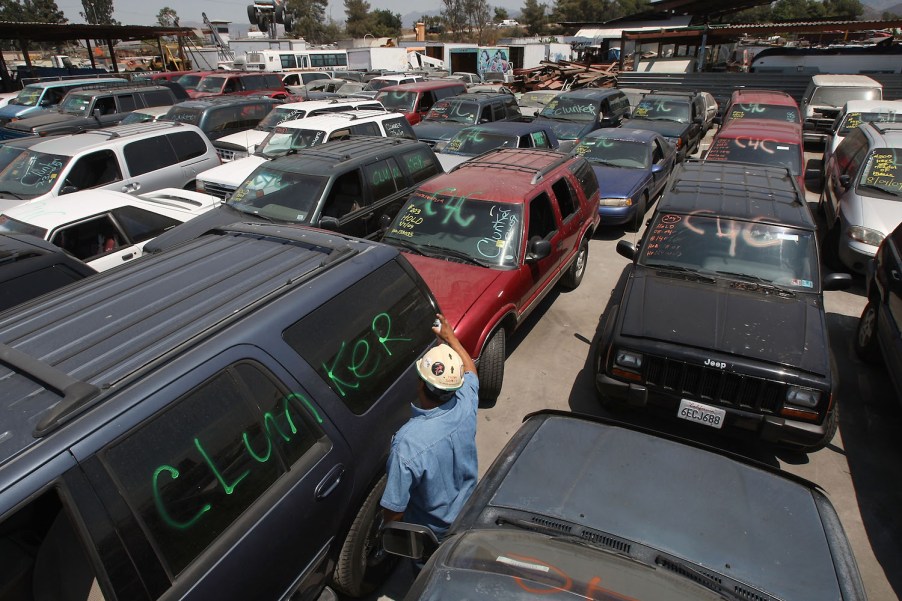
Once you leave the dealer with your new car, that’s when the mystery sets in. Where does the car go when you’re not around? There are two things the dealer does with your trade-in based on whether it is wholesale or retail. The first is a nice way of saying your car is a piece of junk.
For most dealers, wholesaling a car means sending it to an auction where the highest bidder takes it. Usually, these models will receive no maintenance, cleaning, or anything else. They’ll just be parked in the back of a lot until a carrier takes them to the auction. For some vehicles, a small profit will be made at auction, but many barely break even. Old cars or ones in very poor condition are difficult to evaluate on the spot.
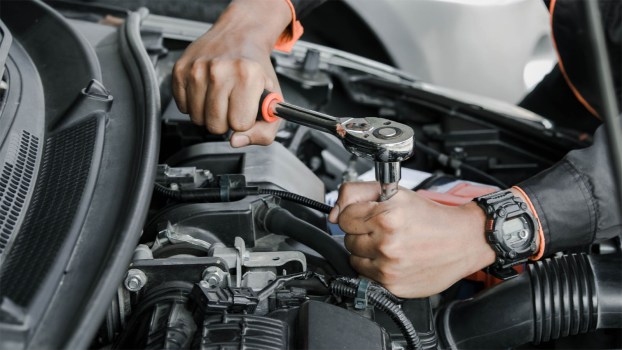
Next, a retail car will enter the dealer’s inventory. Usually, these are models that they think can be repaired at a reasonable price and sold at a profit. Recent model-year cars or very well-kept older ones typically make this list. Dealers will send these units to their service department, where a technician will inspect the vehicle and determine necessary repairs. Then, a sales manager will usually approve or deny repairs to ensure profit remains.
Once parts arrive and repairs are completed, the detailing department will make your trade-in look clean inside and out. Then, it’ll be parked on the front line with other used cars and posted online for anyone to buy.
Where is my trade-in now?
Finally, a customer enters the dealership and buys your trade-in off the lot. If this is the case, your old car is now someone else’s new car. As a result, the dealer probably made anywhere from a few hundred to a few thousand dollars from your vehicle. This is why dealers are often so eager to get a trade-in for a customer. Unlike buying cars for their used car inventory from an auction, another dealer, or elsewhere, trade-ins often turn a massive profit. If you’ve got a well-maintenanced older vehicle in great shape, pay attention to how badly a dealer will want to take it off your hands.