Top 5 most dangerous trucks in the U.S. suffer the most frequent occupant fatalities
Trucks are often thought of as safer vehicles, thanks to their size and sturdy build, which can offer more protection to occupants in the event of a crash compared to many compact cars. However, not all trucks are created equal when it comes to safety.
Some large trucks and SUVs shine in crash tests and accident data. However, certain models actually fare much, much worse, with higher rates of occupant fatalities per miles driven. A fresh study sheds light on which trucks are statistically more dangerous for their drivers and passengers. Let’s take a closer look at this study and the factors that make some trucks more vulnerable than others in fatal accidents.
The top 5 most dangerous pickup trucks in the U.S.
| Rank | Model | Fatal Accident Rate (Cars per Billion Vehicle Miles) | Compared to Truck Average |
| 1 | Nissan Frontier | 5.0 | 2.2x |
| 2 | Ford Ranger | 4.0 | 1.7x |
| 3 | Chevrolet Colorado | 2.9 | 1.3x |
| 4 | Toyota Tacoma | 2.8 | 1.2x |
| 5 | Jeep Gladiator | 2.7 | 1.2x |
| Truck Average | 2.3 | — | |
Source: iSeeCars
According to iSeeCars’ analysis, the five most dangerous trucks on the road in the U.S. are the Nissan Frontier, Ford Ranger, Chevrolet Colorado, Toyota Tacoma, and Jeep Gladiator. These trucks rank the highest in fatal crashes per mile driven, signaling a higher risk of injury or death for drivers and passengers. But what do they have in common, and how do they differ from safer models?
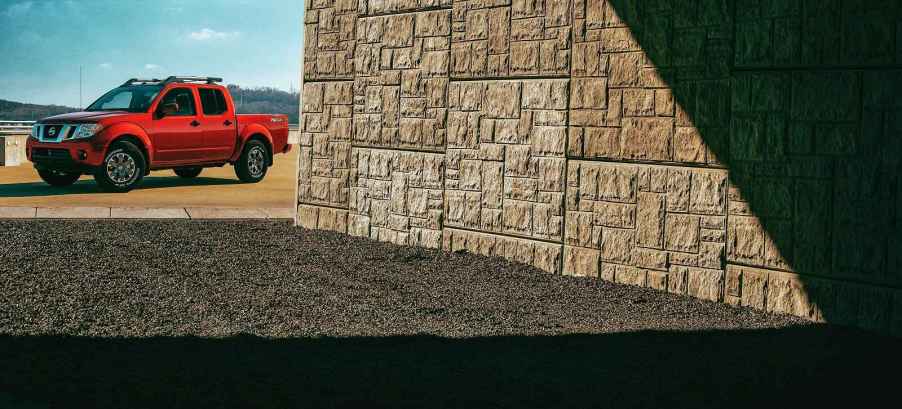
The Nissan Frontier leads the list. It’s a compact truck, and while it offers drivers plenty of advantages, its smaller size can contribute to more severe impacts in collisions, especially with larger vehicles. Alarmingly, it has a fatality rate more than double its class average.
Compact trucks (and one midsize) top a chart in a bad way
Following closely behind is the Ford Ranger, another compact option. While it has a dedicated fan base, its size and lower weight can make it more vulnerable in crashes involving bigger vehicles. The Chevrolet Colorado takes third place. Similar to the others, its size puts it at a disadvantage in crashes with larger, heavier cars or trucks. The Toyota Tacoma ranks fourth. Known for its off-road abilities, it also faces the same risks due to its smaller, lighter frame. Finally, the Jeep Gladiator rounds out the list, combining Jeep’s rugged reputation with a compact truck design that doesn’t fare well when involved in crashes.
In a crash, bigger and heavier vehicles have a natural advantage in absorbing impact, making compact trucks more vulnerable to serious damage. The height and build of these vehicles can also be a factor in crash severity, as smaller market options often don’t have the same protection from higher-sitting vehicles.
The study includes data on 8 million cars
Larger trucks, such as full-size models like the Ford F-150 or Ram 1500, generally fare better in crash tests. They tend to absorb impact better and offer more cabin protection due to their larger, sturdier frames. Smaller trucks serve maneuverability and fuel efficiency. They don’t necessarily focus on beating out other classes in crash protection.
The data behind these rankings comes from iSeeCars’ analysis of the U.S. Fatality Analysis Reporting System (FARS) for vehicles from 2018 to 2022. The analysis considered fatal crashes that occurred between 2017 and 2022, and the data was adjusted for exposure by normalizing the number of vehicles involved in fatal crashes based on miles driven. This helped give a more accurate picture of the crash risk for each model. The group included 8 million cars in their analysis which collectively reflected the general population of modern cars on the road today.
Overall, it’s more about how you drive than the make or model
Despite these statistics, Karl Brauer, an executive analyst at iSeeCars, stresses that driver behavior plays a significant role in crash outcomes. “A vehicle’s size, weight, and height certainly play a part in its ability to protect passengers in a crash,” he says. “But the biggest contributor to occupant safety is avoiding a crash, and the biggest factor in crash avoidance is driver behavior.”
If you’re the one causing a crash based on preventable scenarios, like distracted or substance-influenced driving, it doesn’t really matter what kind of car you’re in. Take Teslas, for instance, which are some of the most fatal vehicles on the road today. This is despite their heralded safety features. Why?
Well, because drivers tend to sit in the captain’s chair and trust the brand’s “self-driving” features. And they’re doing it while they pay attention to anything other than driving. Otherwise, many get behind the wheel while under the influence. This behavior endangers not only any occupants but also buoys crash fatalities of others involved.
Of course, it’s safer for you to be surrounded by smaller cars in nearly any crash scenario.
Staying alert, following traffic laws, and avoiding distractions can dramatically improve safety, no matter what vehicle you’re driving.