Plug-In Hybrids: 5 Advantages to Consider
If you’re not ready to commit to a full-fledged electric vehicle (EV) for your next car, you might want to consider a plug-in hybrid electric vehicle (PHEV). This might be an especially useful option for those who don’t want an alternative to a traditional hybrid vehicle. So, before you overlook the prospect of plug-in hybrids, you should consider these five advantages.
1. Plug-in hybrids can typically drive on electric-only power, a considerable advantage for short commutes
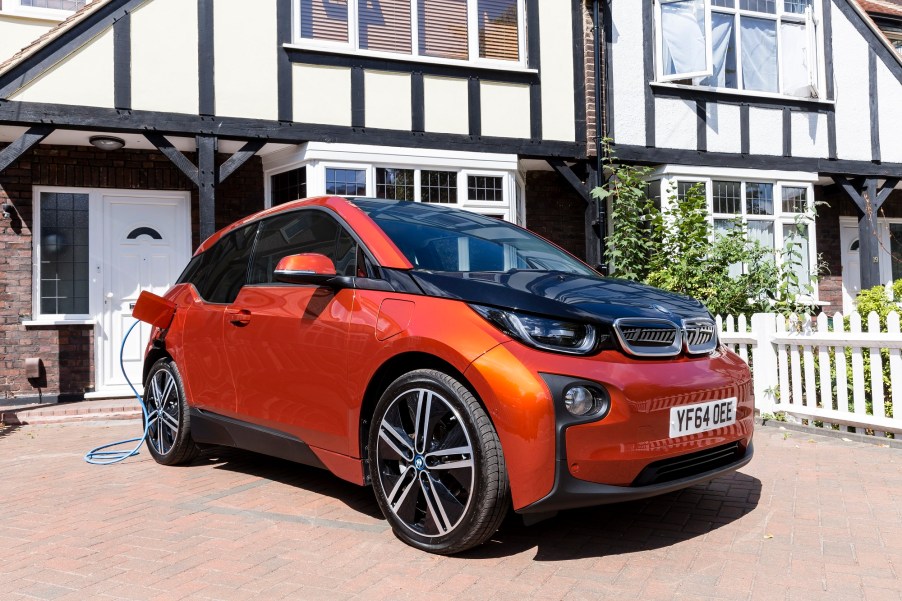
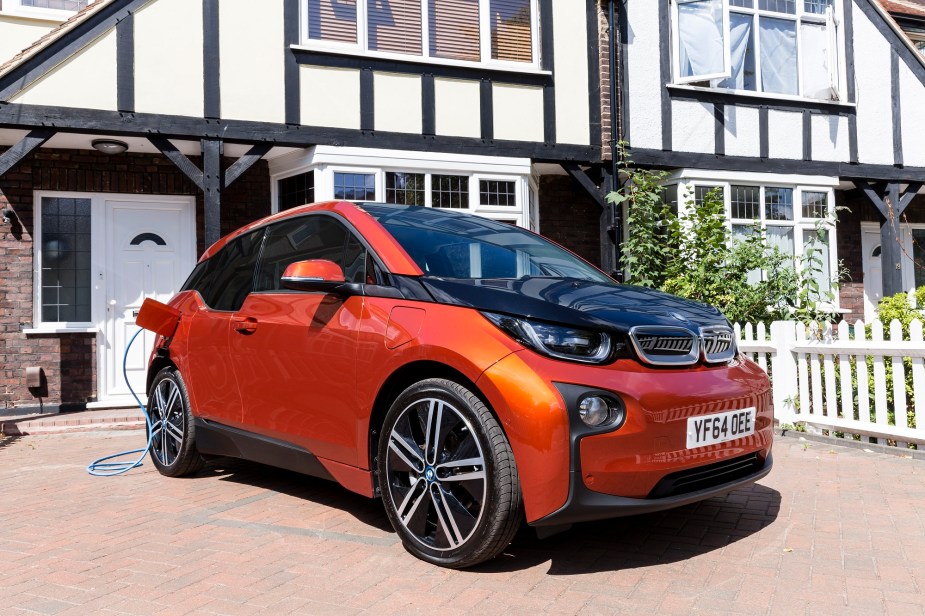
A PHEV might be a good option for you if you live in a city or town and don’t have to commute very far to get to work, school, or do errands. According to InsideEVs, many of last year’s best plug-in hybrids managed between 30 and 61 miles of electric range. However, the BMW i3 REx managed an astonishing 126 miles of electric-only travel.
2. You can take your plug-in hybrid on a road trip, a significant advantage for hitting the open road!
Unlike an EV, plug-in hybrid and hybrid owners don’t have to worry about the phenomenon of range anxiety. Range anxiety occurs when electric car drivers drive with a constant awareness of how much range they have left in their vehicle batteries. Fortunately for plug-in hybrid drivers, once the electric charge is depleted, they can continue driving on a small, efficient gas-powered engine. That is a huge advantage for folks looking to hit the open road after commuting in silence.
3. You might be eligible for a tax incentive for buying a green vehicle
Some plug-in hybrids are eligible for up to $7,500 in federal tax credits for choosing a low-emissions car. That can help quite a bit with the initial cost of purchasing a PHEV.
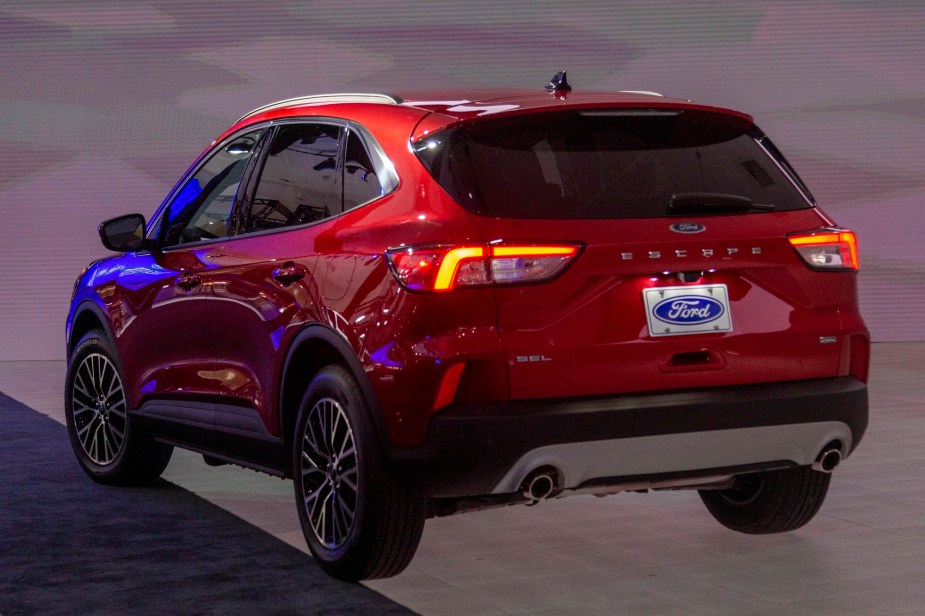
4. Plug-in hybrids are still fuel-efficient even after depleting the electric charge
Fear not, urban commuters. Many plug-in hybrids will take you 20, 30, 40, or more miles on purely electric juice. However, once that battery pack is discharged, the gas-powered engines are typically still pretty efficient.
5. Plug-in hybrid owners can make do with a Level 1 charger at home
Thanks to the small battery packs onboard typical PHEVs, owners can charge their vehicles using a lower-intensity 120-volt Level 1 charger, according to Consumer Reports. With larger, longer-range battery packs on true EVs, a Level 1 charger is almost prohibitively slow. However, an EV’s larger battery pack might not be inconvenient if you have access to a Level 2 charger or fast charging technology.
Consider these advantages before buying another gas-powered car instead of a PHEV
According to InsideEVs, you can find a plug-in hybrid to meet just about any need, like long electric-only travel or an SUV for a family. A good PHEV is a solid option for anyone with a round-trip commute under 20 or 30 miles and the need or desire to push out of town. So if you’re in the market for a greener ride, you might want to consider a plug-in hybrid and its many advantages.