These 3-Year-Old Cars Are Engineered for Use, But Owners Aren’t Driving Them
36 months into adoption, some cars are barely rolling while others are practically commuting nonstop.
iSeeCars dug into the odometer readings of three-year-old vehicles and found striking differences in how much owners actually drive them. The gap between the most active and the most dormant cars is dramatic: The top vehicles average roughly double the annual mileage of the bottom performers.
Minivans and large SUVs dominate the most driven list
The Chrysler Pacifica leads the commuter pack, averaging more than 20,000 miles a year.
Close behind, the Chrysler Voyager and Pacifica Hybrid all log near 19,500 miles, with Chevrolet’s Malibu rounding out the top four at almost 18,800 miles.
Full-size SUVs like the Chevrolet Suburban, Nissan Armada, Ford Expedition Max, and GMC Yukon XL also see heavy use, hovering around 17,000 to 18,000 miles annually.
Even a sporty Ford Mustang convertible makes the cut with 17,600 miles a year, showing that some fun cars get real-world duty beyond weekend joyrides.
High mileage earners hint at who is driving these cars: Sedans like the Malibu, Nissan Altima, Dodge Charger, and Toyota Camry are on the list partly because rental fleets put serious miles on them, pulling the averages up.
The price per 1,000 miles metric also paints a picture. More practical vehicles like the Malibu and Altima cost around $1,500 to $1,800 per 1,000 miles, while the larger, more expensive SUVs climb past $3,500.
On the flip side, some vehicles barely leave the driveway
The Mazda MX-5 Miata and its RF sibling average just over 5,000 miles a year. The GMC Hummer EV barely edges them at around 5,200 miles. I’d argue that their lower-than-average use makes sense, since neither are typically purchased as daily drivers.
But a whole cluster of electric and plug-in hybrid SUVs designed to serve as dailies don’t seem to be getting out often.
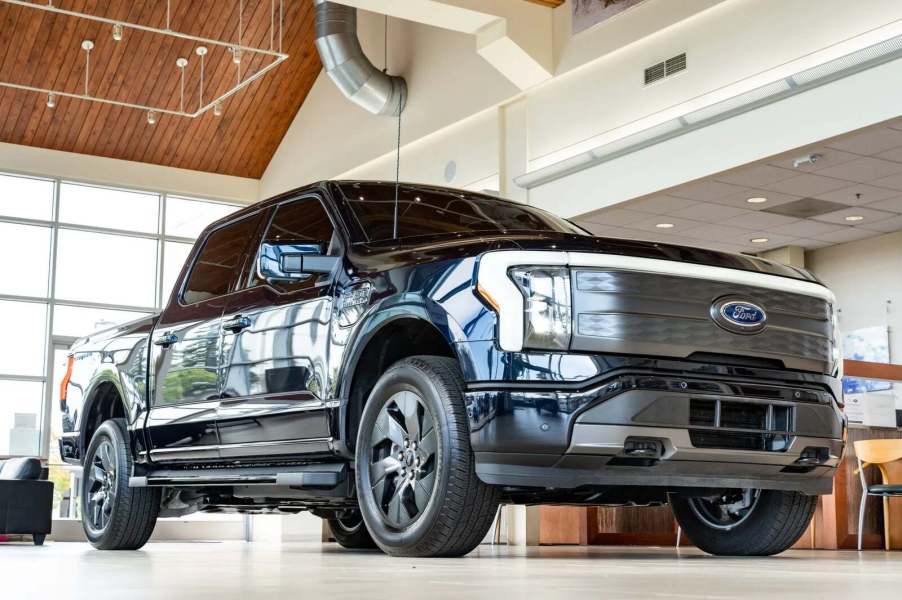
The Ford F-150 Lightning, Volkswagen ID.4, Mazda MX-30, and Jeep Grand Cherokee PHEV also sit at the bottom, averaging 6,000 to 8,000 miles annually.
Even cars built for spirited driving like the Subaru WRX, BRZ, and Toyota GR86 aren’t seeing much road time.
Analyst Karl Brauer notes that electric drivetrains may be a factor limiting usage. Owners are simply not piling on miles like they would with gas-powered vehicles.
Engineering and intent do not always match daily habits
Some cars are built for the daily grind, long overland trail, or open road, yet their owners either forget or decide not to treat them that way.