Car dealer tells client $21K underwater on Dodge Challenger ‘No’ to BMW trade, offers him a Toyota Camry instead
A Marietta, Georgia-based car dealer is staying busy with vehicle trade-ins. Yusuf Benallal specializes in helping clients get into high-end luxury cars. However, his passion for assisting drivers with untangling themselves from bad car loans is growing, too. This week, he shared a call with a client wanting to trade in his Dodge Challenger for either a BMW or Mercedes. The numbers, though, just don’t add up.
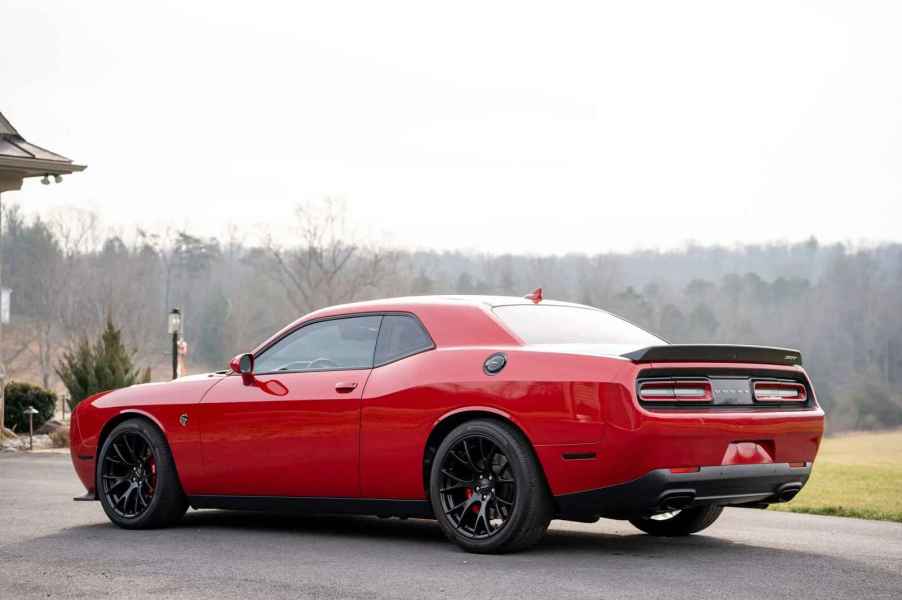
A 2016 Dodge Challenger with 183K miles clocked…and $21,000 left on the car loan
The driver has a below-average credit score of 500. He’s got $2,000 cash to put down. He brings in about $2,300 a month. “You’re spending a third of your income on your car payment?” the car dealer poses. “Yeah, I know,” the client says. His current interest rate is between 17% and 18%.
“On a good day, I’d give you $5,000 for your car.”
Unfortunately, a wholesale offer that low means the driver would be left with a $15,000 gap to fill on his car loan balance. The driver would need to pay that gap in his own cash, and then put down money towards the sports car he wants.
Now, I was curious about Benallal’s pretty low offer on the 2016 Challenger. We don’t know the trim. It must be on the lower end, though, since a 2016 SRT Hellcat goes for more than $40K in Central Ohio. I checked MotorBiscuit’s seamless car buying tool for used Challenger listings in my area. Sure enough, the 2016 SXT models popped up in the low teens.
Benallal says a BMW or Mercedes, with his credit, would run the caller upwards of $1,200 or even $1,500 a month. With a monthly income of $2,300, the buyer would be in a worse spot financially.
After explaining the math, the car dealer offers the caller a cash car.
“Right now, I can get you into a Camry or a Scion tC.” The client seems optimistic about getting away from the Challenger and into something more modest. What will he do with the underwater Challenger? Comments confirm his options aren’t great…either find a buyer who will pay it off, rent it out to mitigate his payments, do a voluntary repo, or file for bankruptcy.