Buying a Certified Preowned Truck? The Biggest Thing You Need to Know About
Buying a truck can be a real hassle. A lot of trucks, even used trucks, can be very expensive, too. Furthermore, if you are buying a used truck, there’s a good chance that it’ll come with some maintenance issues that you’ll have to deal with. That’s where buying a certified preowned (CPO) truck comes in. Here’s everything you need to know about buying CPO trucks.
Pros of buying a certified preowned truck
A CPO truck, by its nature, will be cheaper than a brand-new truck. That is, of course, the main pro of buying a CPO truck in general. It’ll vary by dealerships, but the most affordable brand-new truck is the Nissan Frontier and it still costs $20,000. If that’s too expensive for your budget, then buying a CPO truck may be your best bet.
Like Car and Driver said, a CPO truck isn’t a risky purchase since it’s certified by the manufacturer to be in good condition. And even if your CPO truck breaks down, then it’s covered by its CPO warranty. By buying a CPO truck, you won’t have to worry about any issues that your truck may have when you take it for a spin.
Another great thing about buying a CPO truck is that you can buy the latest model years of trucks. It’ll still be a used truck of course, but at the very least, a CPO truck is still guaranteed by its manufacturer to be in good shape. If you don’t go CPO, then you may have a hard time finding the latest model years of used trucks available.
Cons of buying a certified preowned truck
While a CPO truck will be cheaper than a brand-new truck, it’ll still be more expensive than a used truck that you can buy from a friend of a friend or an internet marketplace like Craigslist.
That’s because having a CPO label on a truck is an insurance policy, for you, that the truck is guaranteed by the manufacturer to still be a good truck. That insurance policy will, of course, cost you extra.
And despite the fact that a CPO truck can include the latest model years of trucks, it doesn’t actually mean you’ll have a lot of choice in what truck you can buy.
That’s because in order to get a CPO label, as Car and Driver mentioned, a truck needs to go through a lot of inspections by the manufacturer’s technicians. As a result of that, not that many used trucks can qualify for a CPO label.
The biggest things to know
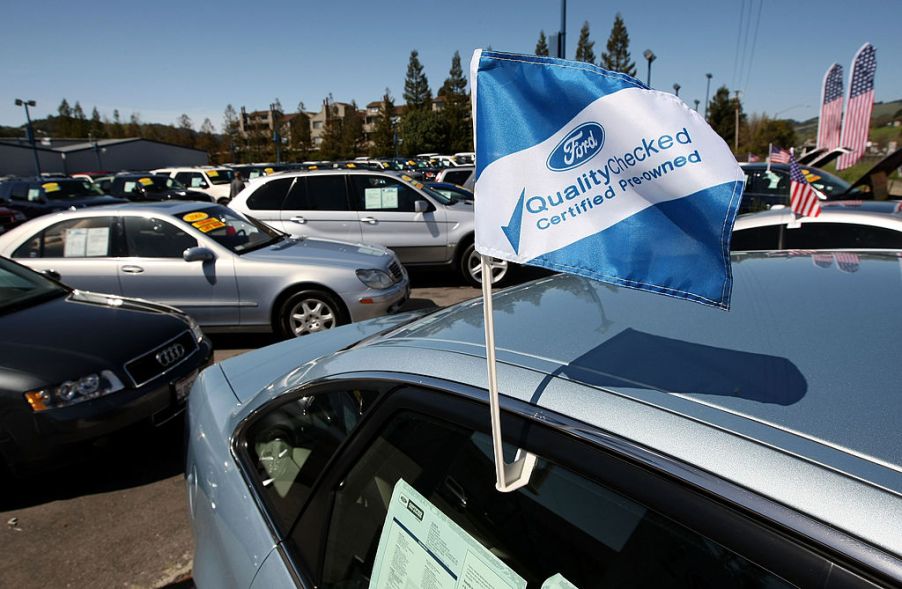
Pros and cons aside, the biggest thing to know before you buy a certified preowned truck is that the terms and conditions of the deal can change a lot depending on whom you’re buying that CPO truck from.
That’s why Car and Driver suggests that you carefully read the fine print on any CPO truck before making a purchase. Some dealerships may try to trick you and sell you a “dealer-certified” preowned truck.
The thing that makes a CPO truck so attractive is that a CPO truck goes through a lot of inspections, testing, and maintenance that are done by the automakers themselves to ensure that the CPO truck is in tip-top shape.
A dealer-certified preowned truck is not that, whatsoever. A dealer-certified preowned truck could mean whatever the dealer wants it to mean. It almost definitely doesn’t mean that the truck got the same testing that a true certified preowned vehicle gets.
That’s why, before you commit to any CPO truck, you must make sure that you’re actually buying a CPO truck in the first place. A dealer-certified preowned is not a CPO truck, and if you buy a dealer-certified preowned, you probably won’t be getting any of the pros of having a CPO truck in the first place.