5 of the worst things you can do as a new driver
You did it. You’re a new driver, with a license, insurance, and a reliable vehicle. That’s great, but it’s far from the end of the road. Now you need to drive safely to make sure that you, your passengers, and other motorists aren’t in harm’s way when you’re on the road. To do that, you should nip these bad habits and oversights in the bud.
Being a new driver is a period of discovery and independence. But it’s also a dangerous time
As a new driver, it’s an important time for building good habits and a solid foundation of proficient driving. Avoid committing these faux pas to start your journey to being a good driver early on.
1. Speeding
According to the National Highway Traffic Safety Administration (NHTSA), nearly one third of fatal car crashes involve excessive speed. The solution is simple: check your speed.
As a new driver, you have very little experience driving fast in a controlled manner. But regardless of experience level, it’s never a good idea to drive more than the posted speed limit.
At higher speeds, drivers have less time to make critical decisions, and it takes longer to come to a stop. Always drive within your limits and save the speed for the track.
2. Distracted driving
Distracted driving is a huge problem for new and experienced drivers alike. The NHTSA reports that distracted driving was a factor in around 3,275 fatalities and 324,819 injuries in 2023. That’s eight percent of all traffic fatalities for that year.
It’s easily avoidable, though. Put down your devices and wait until you stop to perform attention-sapping tasks like selecting a destination on a GPS app.
3. Buying an unsuitable car for a new driver
As a new driver, you might be tempted by a fast, powerful vehicle. Resist the urge to buy an unhinged muscle car or a light, swift sports car.
It’s better to get accustomed to driving a more sensible option for your first car. Cars with too much power can quickly break traction, leading to a potentially dangerous loss of control.
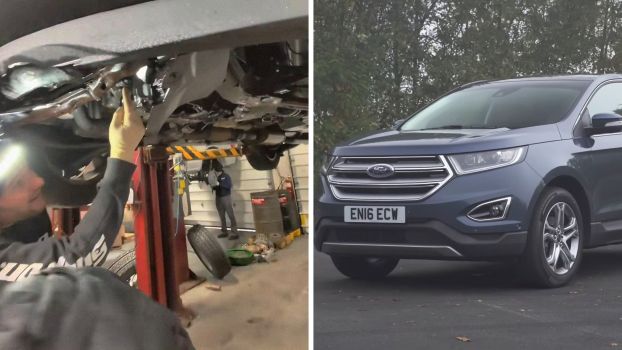
4. Forgetting to maintain your vehicle
Even more important than your choice of car is keeping up with maintenance. A mechanical failure can leave you stranded or cause a deadly crash at highway speeds.
Alternatively, insufficient tire tread can lead to a loss of traction, limited grip in inclement weather, or a crash-causing blowout. Refer to your owner’s manual for maintenance intervals and stay on top of key maintenance items like tires and windshield wipers.
5. Forgetting to check mirrors
“Keep your eyes on the road.” You’ve heard it from your family time and time again. But looking ahead is only part of the equation. Remember to check your mirrors often, especially before making moves like lane changes and turns.