24 used cars with expensive timing chain problems
So, you’ve finally landed a used car you’re actually excited about. Sure, it has some age on it, but it’s what you’ve always spotted out and about with envy. You drop your “new-to-you” ride off for an oil change. No warning lights, no strange noises…just a routine visit. The service advisor calls you over. They don’t look excited. “The timing chain is bad,” they say. You blink. Timing chain? You thought those lasted forever.
The car drove fine this morning. Heck, you paid for a pre-purchase inspection a couple of months ago. Now you’re staring at an estimate big enough to buy an all-inclusive island vacation for four. There’s no smoke, no grinding, no dramatic breakdown. Just a quiet, expensive problem hiding under the hood…until the day it debuts in full color.
Here are 24 used models known for timing chain problems.
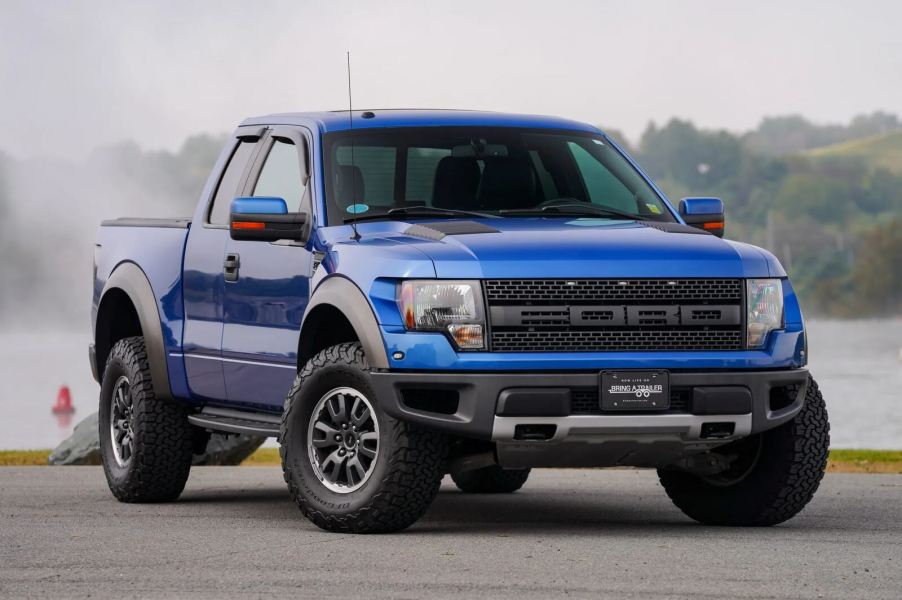
Ford F-150, Expedition, and Super Duty with 5.4L Triton V8 (2004–2010)
Ford’s 5.4-liter Triton V8, used in the F-150, Expedition, and F-250/F-350 Super Duty from the mid-2000s, is prone to both timing chain and cam phaser problems. The timing chain tensioners can wear out early, causing rattles, loss of power, and in some cases, catastrophic engine failure. Because the repairs require extensive labor, many owners choose to replace the engine entirely rather than rebuild it.
Ford Explorer with 4.0L SOHC V6 (2002–2010)
The early- to late-2000s Explorer with the 4.0-liter SOHC V6 is notorious for timing chain guide failures. Problems often start with a faint rattle on startup, but neglect can lead to the chain skipping teeth and damaging the engine’s valves and pistons. Multiple chains and the need for engine removal make repairs expensive.
Volkswagen and Audi models with EA888 2.0 TSI/TFSI (2008–2014 A4, A5, GTI, Jetta GLI, Passat, Tiguan)
The EA888 2.0-liter turbo engine powers many popular VW and Audi models from the late 2000s and early 2010s. A faulty timing chain tensioner design can cause sudden slack in the chain, leading to skipped timing and major engine damage. Even well-maintained examples have suffered failures, though consistent oil changes help reduce the risk.
BMW models with the N20 four-cylinder Turbo (2011–2017 3-Series, 5-Series, X3, X1, Z4)
BMW’s N20 2.0-liter turbocharged four-cylinder appears in a range of sedans, SUVs, and sports cars. Plastic timing chain guides can wear out prematurely, causing the chain to loosen and jump timing. The resulting internal damage is costly to fix and can occur even in vehicles with a full service history.
Mercedes-Benz models with M272/M273 V6 (2005–2014 C-Class, E-Class, CLS, ML, GL)
The M272 and M273 V6 engines, found in various Mercedes sedans and SUVs, are prone to timing chain sprocket wear. Once the sprocket teeth wear down, the engine can lose proper timing, which results in poor running and potential engine damage. Repairs are expensive due to the labor involved.
Mazda models with 2.3L Turbocharged L3-VDT (2006–2009 Mazdaspeed3, Mazdaspeed6, CX-7)
Mazda’s turbocharged 2.3-liter four-cylinder, used in performance models like the Mazdaspeed3 and Mazdaspeed6 as well as the CX-7 crossover, is known for timing chain tensioner failures. Loss of hydraulic tension can cause the chain to slip, leading to bent valves and damaged pistons. The fix requires major engine work.
Timing chain problems in these engines can turn your dream ride into an expensive mistake
Because the timing chain is buried deep inside the engine, repairs often cost thousands of dollars in labor and parts. If you’re considering one of these models, verify the maintenance history, confirm that oil changes were performed on schedule with the correct specification, and have a qualified mechanic familiar (key word, here!) with the engine inspect it before buying. That can be the difference between a reliable daily driver and a major repair bill.