11 best Toyota engines, ranked (and the models you’ll find them in)
Toyota’s reputation for reliability isn’t just built on badges and bodywork. The engines are the real backbone, from the silent daily haulers to the screamers that shook up car culture. Some fly under the radar, others built entire fandoms, and a select few are now automotive folklore.
Ranked from the least known to the most iconic, here’s how Toyota’s best engines stack up in the U.S. market.
3RZ-FE inline-4 (1994–2004)
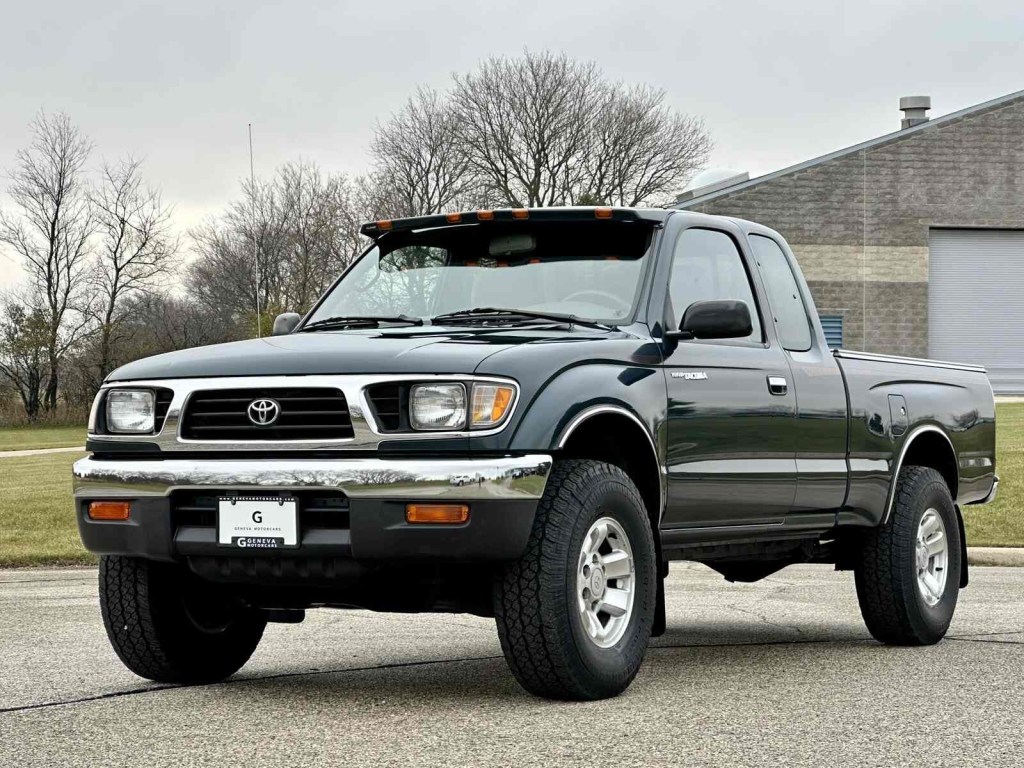
This 2.7-liter four-cylinder is part of the RZ family and shows up in the first-generation 1995 Tacoma, the third-gen 4Runner, the T100, and the U.S. market HiAce.
With about 150 horsepower and plenty of torque for a four, it kept working long after the odometer spun past six digits. It’s not glamorous, but it’s dependable and underrated.
22R / 22RE inline-4 (1981–1995)
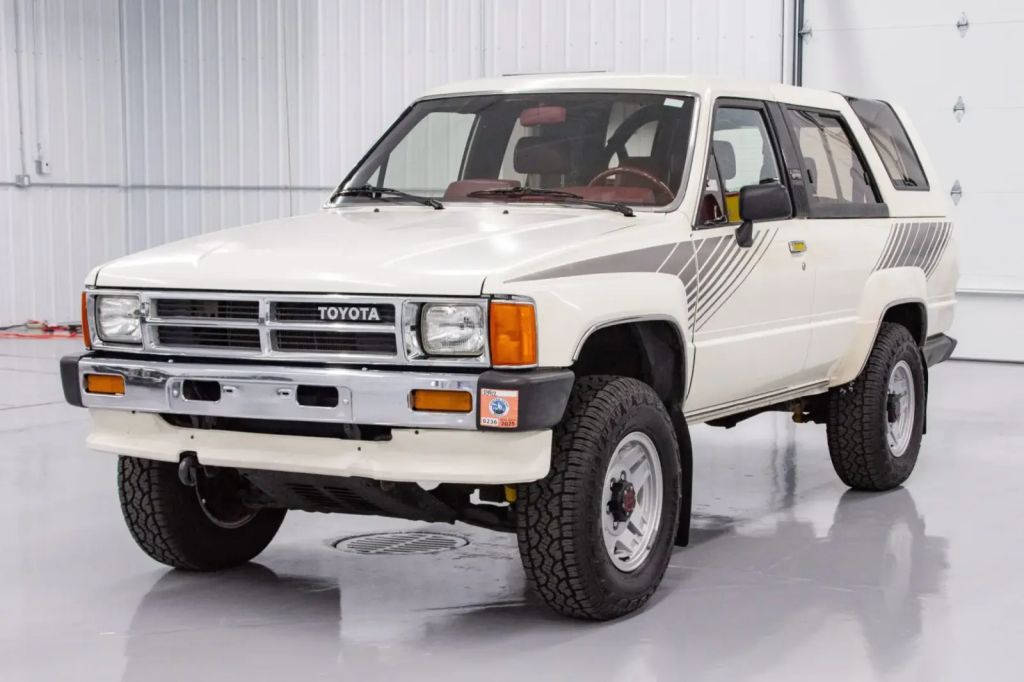
This 2.4-liter SOHC four-cylinder powered Toyota pickups, early 4Runners, and Celicas.
It didn’t make much horsepower, but it became legendary for running nearly forever with basic maintenance. Simplicity was its strength, and truck owners still hunt for them today.
2GR-FKS V6 (2015–present)
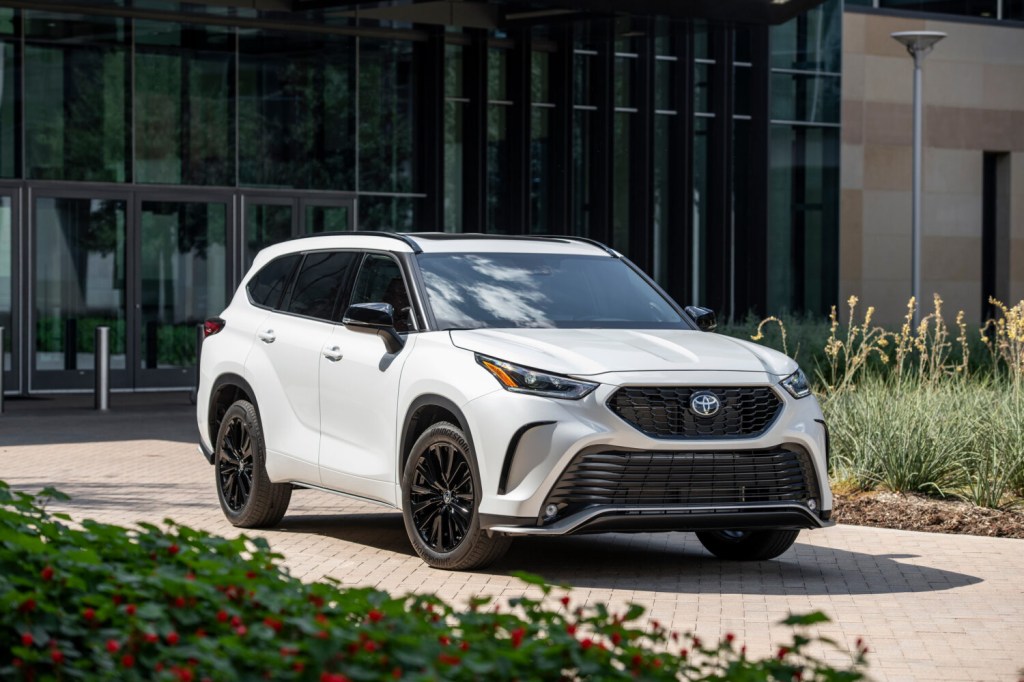
Toyota’s 3.5-liter V6 with both port and direct injection balances efficiency and smoothness. It powers the current Tacoma, Camry, and Highlander. In the Lexus lineup, you’ll find it in the RX 350, IS 350, GS 350, RC 350, and ES 350.
Unlike the old iron-block workhorses, the 2GR-FKS is lightweight and clean, with Atkinson cycle capability that lets it sip fuel without giving up usable power.
1GR-FE V6 (2002–2023)

The 4.0-liter 1GR-FE shows up in the fourth- and fifth-generation 4Runner, the Tacoma, the FJ Cruiser, and certain Tundras.
Forged internals and dual VVT-i make it sturdy and versatile. This is the engine for people who want a truck or SUV to just keep running with minimal drama, even when used hard.
2UZ-FE V8 (1998–2011)

The 4.7-liter 2UZ-FE lived in Land Cruisers, Sequoias, Tundras, and the Lexus LX and GX.
Built with a cast-iron block and meant for towing and off-road punishment, it’s Toyota’s durable truck V8. Not as refined as the 1UZ (that’s next), but unmatched in heavy-duty longevity.
1UZ-FE V8 (1989–2002)
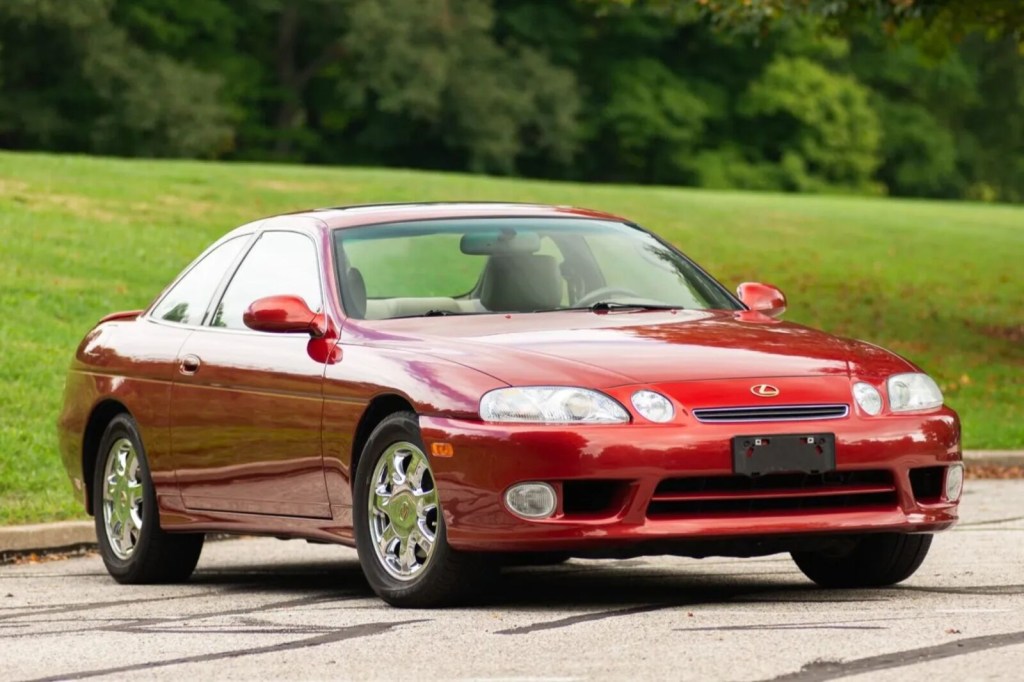
This 4.0-liter all-aluminum V8 powered the first Lexus LS400, the SC400, and Toyota’s Japan-only Crown Majesta.
With its smoothness and durability, it redefined Toyota’s image in the luxury segment. While overshadowed by more exciting performance engines, the 1UZ-FE is still respected for being overbuilt and nearly indestructible.
M20A-FKS 2.0L and A25A-FKS 2.5L inline-4s (2018–present)
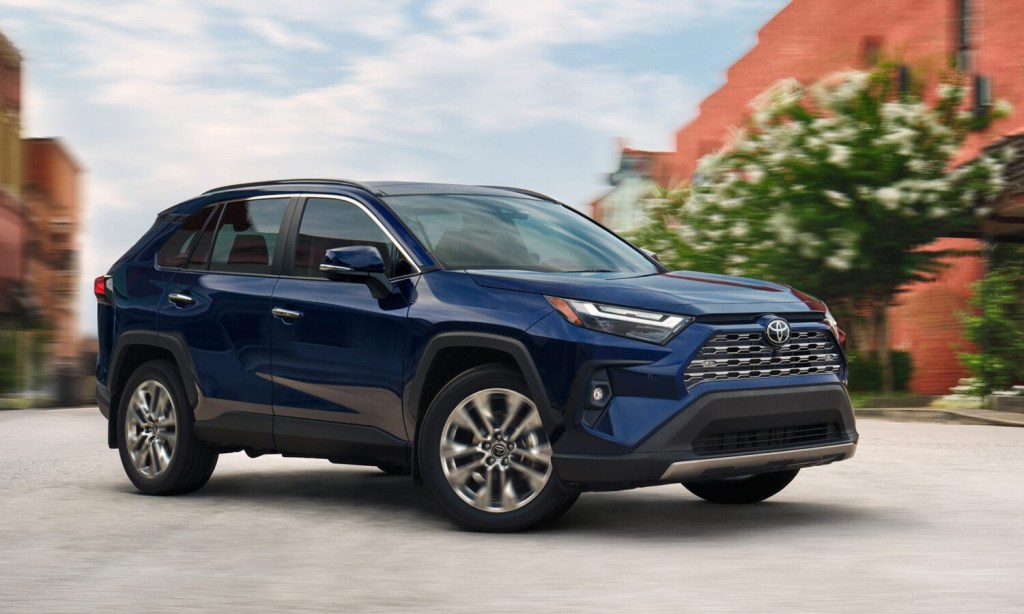
Part of the Dynamic Force family, these engines power the latest Camry, RAV4, and Avalon, along with several Lexus models. The Lexus UX and ES 200s get the former and the ES 250, 260, NX 250, and NX 260 have the latter.
They prioritize efficiency and emissions without losing too much liveliness, and their widespread presence makes them central to Toyota’s current lineup. They aren’t flashy, but they’re quietly shaping Toyota’s modern reputation for practical reliability.
3S-GTE turbo inline-4 (1986–2007)
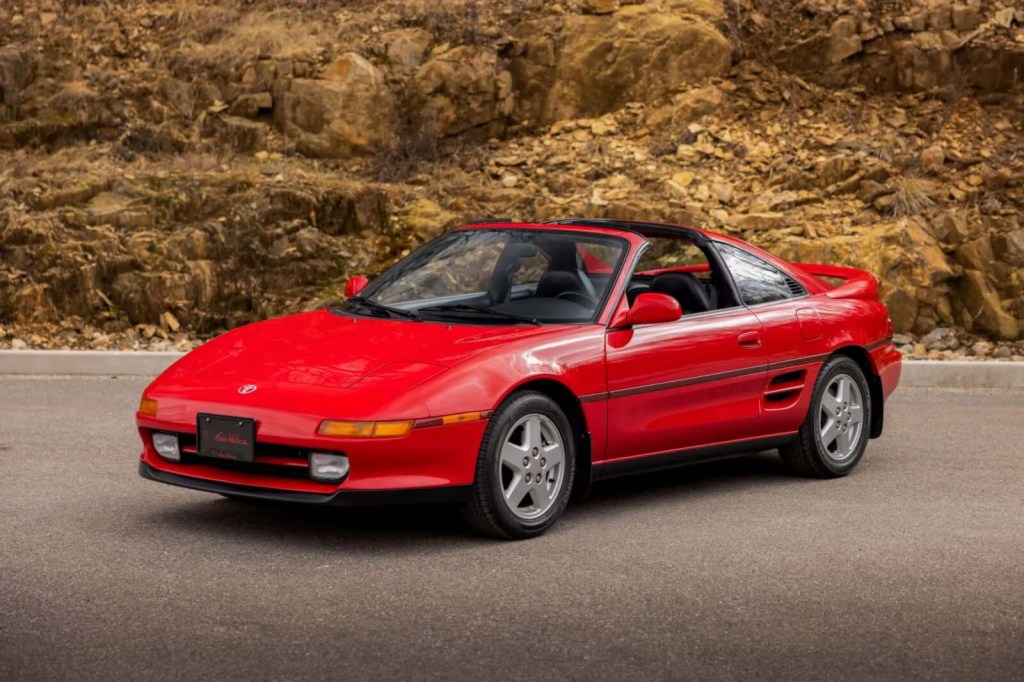
Turbocharged, intercooled, and made for performance, the 3S-GTE lived in the Celica All-Trac and MR2 Turbo.
In the U.S., it made about 200 horsepower, and while that number doesn’t raise eyebrows today, the engine became a favorite for tuners and rally fans. Folks in-the-know remember it as fun, flexible, and tied to Toyota’s rare moments of all-out performance.
2JZ-GTE turbo inline-6 (1991–2002)
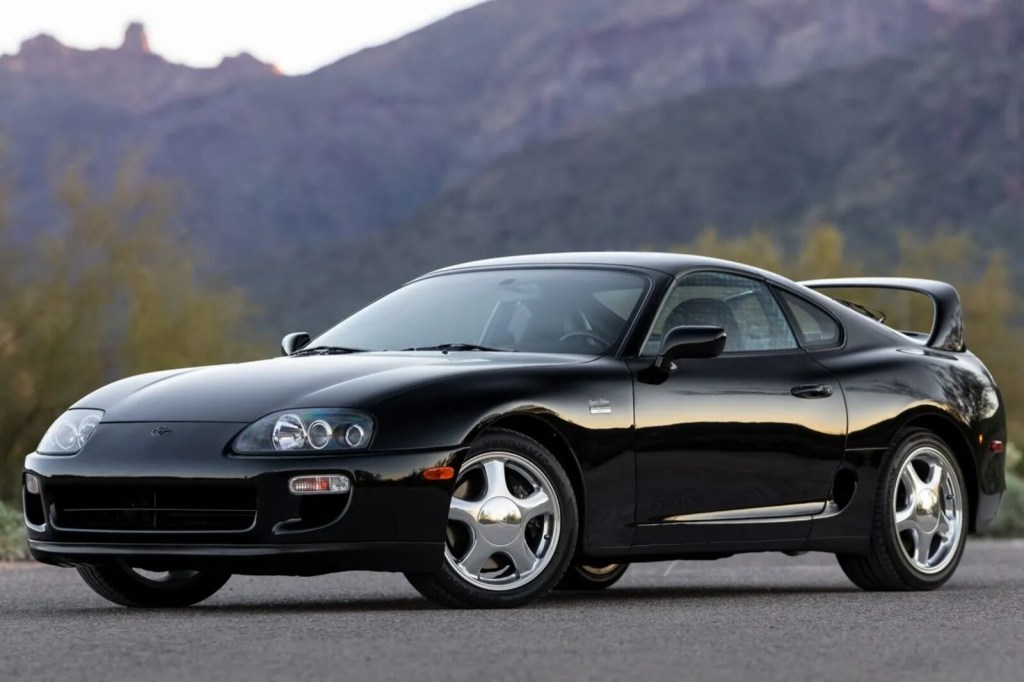
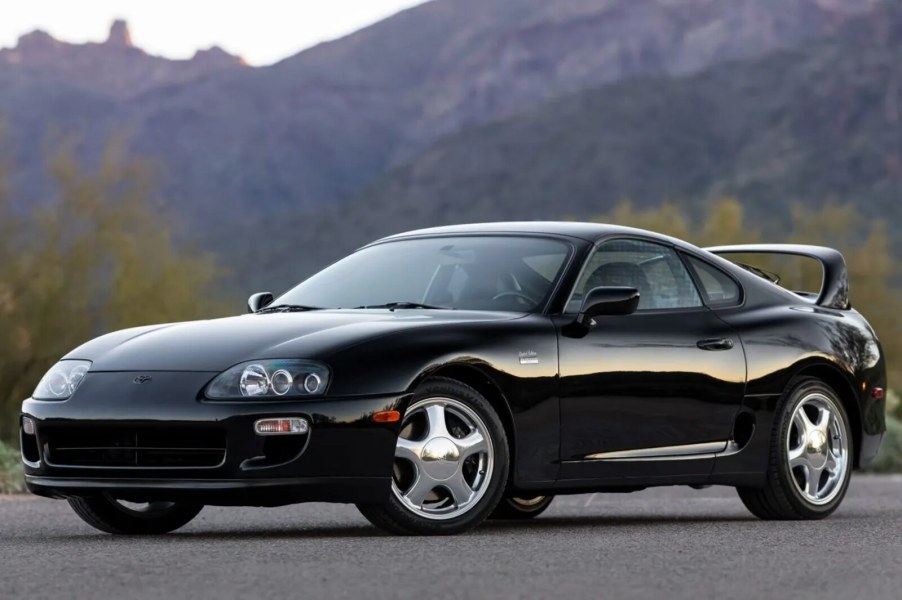
The 3.0-liter 2JZ-GTE powered the fourth-generation Supra Turbo and remains Toyota’s most famous engine. Its iron block and stout internals can handle absurd amounts of boost without falling apart.
Tuners pushed it to four-figure horsepower, but even stock, it was refined and capable. It’s the motor that cemented Toyota’s place in performance history.
4A-GE inline-4 (1983–1991)
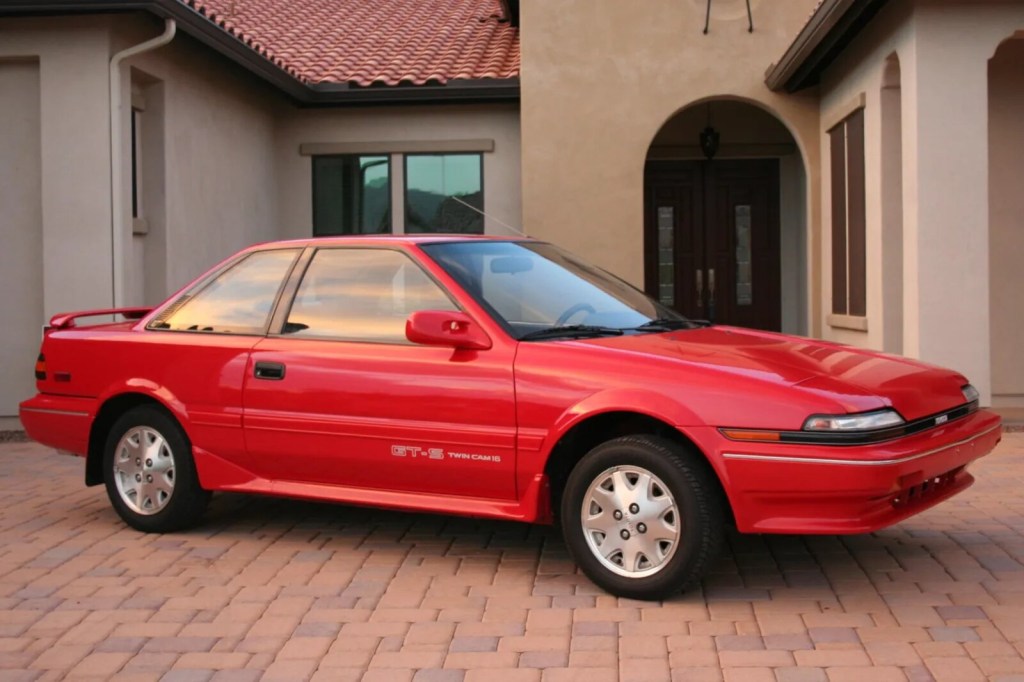
Lightweight, high-revving, and simple, the 1.6-liter 4A-GE made its mark in the Corolla GT-S and the MR2. It produced modest horsepower but became a tuning and racing favorite.
Its dual overhead cams and 16 valves gave it a technical edge in the 80s, and it still gets celebrated in drifting and grassroots motorsports today.
1LR-GUE V10 (2010–2012)

Developed for the Lexus LFA, this 4.8-liter naturally aspirated V10 revs to 9,000 rpm and produces a sound that still turns heads. Built with titanium rods and a dry-sump oil system, it’s exotic hardware in a Japanese supercar.
Though it only ran for a short production window (we’re talking 500 models built globally), it’s Toyota’s ultimate proof that the company could deliver a halo engine.
At $375,000 original MSRP, less than 200 LFAs landed stateside. Today, they’re worth anywhere from $800k to over $1 million.
Toyota’s engine lineup shows how wide the company’s net really is
A single brand can build a humble four-cylinder that soldiers on for decades, a refined V8 that made Lexus a household name, and a screaming V10 that rivals Europe’s best supercars. Drivers remember some for their reliability, others for their character, and a few for both. That range is what keeps Toyota engines relevant long after the model years have passed.