‘The worst question to ask,’ What not to do if your teen was arrested in a traffic stop
So your teen borrows the car and heads out for a drive. Curfew comes and goes, and they’re still not home—but your child is never late. Then the phone rings, and it’s one of the worst calls any parent can receive. “Mom, Dad, I’m in jail.”
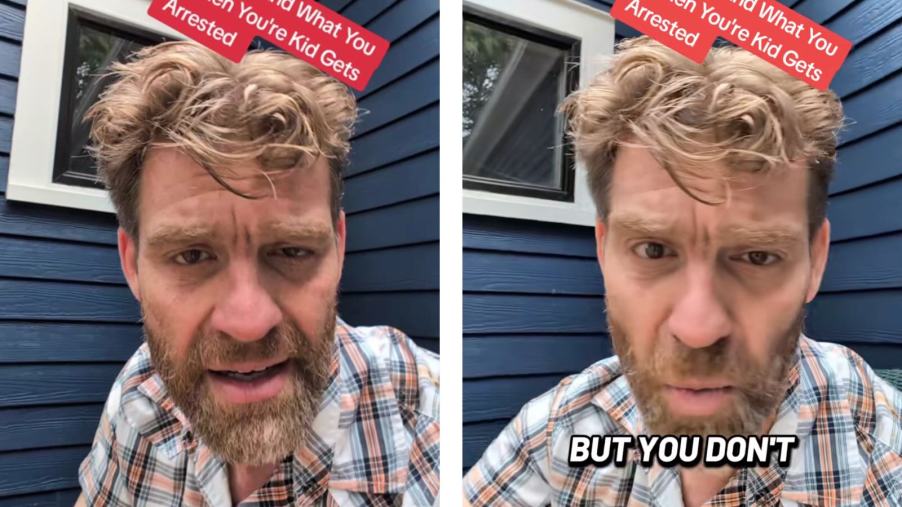
Shannon Locke is a lawyer from Texas. He warns that if your kid is out driving and gets arrested during a traffic stop, they’ll probably call you. “What you say next may be the most important parenting act of your entire relationship with your child.”
Let’s start with what not to do. “You don’t want them to explain why they’ve been arrested.”
Translation: Don’t ask, “Oh no, what did you do!?”

Why? Because this isn’t a private conversation. “The police are 100% recording the call… those words, what he or she says next, are going to be used against them.”
Is it important to know what happened and why they were arrested? Absolutely. But you’ll find that out “from other sources.” In the moment, you need to know two things.
Who arrested you, and where?
Locke urges you to ask, “Who has arrested them: Is it the federal authorities? Is it the state authorities?”
Your question is simple: “In what town did they get arrested and what agency arrested them?”
You’ll need this critical piece of information to find out what they were arrested for, what the charges might be, and how you can best help.
Where are you now?
Your second question is purely logistical. “You need to know, primarily, where he or she is.”
If you know what agency arrested them, you can likely work this out. But there may be some nuance. “If it’s a real small town, they may be taken to a holding cell, but then they’re gonna be taken to the county jail.”
What should you do next?
The Parent Advocacy League warns, “Parents shouldn’t play lawyer.” If your child is in custody and the police are grilling you or them with questions, just say, “I want a lawyer.” At this point, they must stop questioning the two of you while they contact a public defender or you find an attorney experienced in juvenile defense.
The Parent Advocacy League adds that “cooperation and respect go a long way.” You must lead by example, showing your child how to stay calm, collected, and polite—but firm. Police may allow your child to contact you, hoping that with you present, they forget to ask for a lawyer. But they should politely insist on them getting professional help.
You can see Shannon Locke’s full video embedded below: