Lawyer: why police actually ask ‘do you know how fast you were going?’
You’re driving along the highway when police lights suddenly flash in your rearview mirror. You pull over. You know what’s coming next. “Do you know how fast you were going?” Why would an officer equipped with a radar gun even bother asking that? According to one lawyer, it’s a way to control you.
I’ve already noted that attorney Michael L. Mandell warns against several common replies. Lying outright might invite an investigation into whether your speedometer is faulty. Admitting you were speeding could be used against you in court. Even saying “I don’t know” might backfire if the officer later testifies you were “distracted or otherwise remiss” for not knowing your speed. But this question may be more than a Catch‑22.
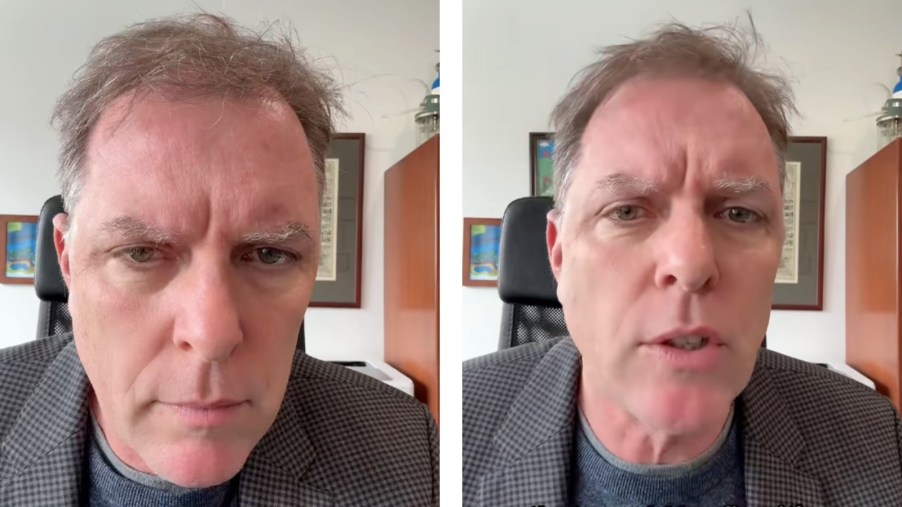
Vancouver lawyer Paul Doroshenko, posting under the TikTok name Prairie Paul, recently debated what you should say when police ask this. Though his advice is aimed at Canadians, he argues the tactic is broader:
“When they ask if you know your speed, they’re trying to make you admit guilt or feel pressured. It’s a manipulation tactic.” –Paul Doroshenko @PrairiePaul
The strategy is simple: prompt you to apologize and shift you onto the defensive. Once you’re talking, the officer may gain the upper hand. You may volunteer evidence, or feel pressured to consent to searches you’d otherwise refuse. Doroshenko insists the question is “a tactic to control you.”
Lawyer explains why police actually ask how fast you were going
U.S. law differs in some key ways. As Marion Moses notes, “If a suspect or defendant voluntarily admits to committing a crime, it can be used against them.” Your admission of speeding could be evidence admissible in court. But the fact that Canadian police use this same question bolsters the idea that it’s more than casual chatter — it’s a psychological tactic.
Even though Doroshenko is Canadian, his warnings echo advice from U.S. defense lawyers. One common refrain: “My lawyer told me not to talk to you.” In both countries, you must provide your license, registration, and insurance. However, you’re allowed to refuse further questioning until you’ve spoken to counsel.
Mandell offers one possible response for U.S. drivers: “I believe I was going the speed limit.” But this comes with risk: the officer may press further, pushing you into giving up other self-incriminating statements. See Mandell’s suggestion in the video below: