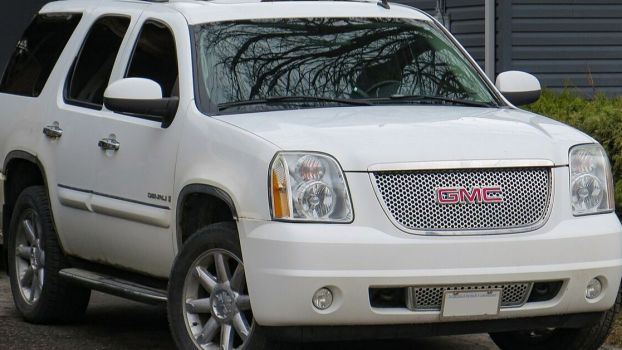
What Helps Your New Car Run Smoothly—And What’s Slowing It Down

Just bought a new car? Let’s start on the right foot. First up: five habits every driver should lock in early. A little effort now saves a lot later—plus, your car runs better and lasts longer. After that, we’ll cover what not to do.
Changing Engine Oil Regularly
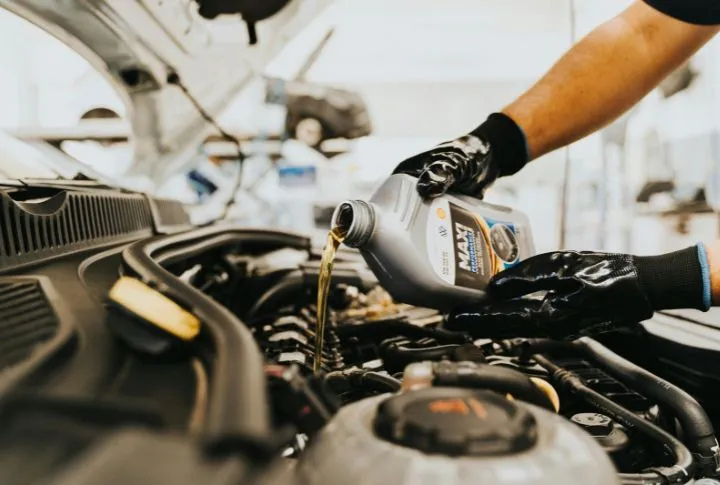
Skipping oil changes early on? Not a good move. Your new car’s engine needs fresh oil to stay lubricated and cool. Sticking to the factory-recommended interval keeps everything running smoothly. If the oil gets too old, the engine will wear faster, so mark your calendar and make it a routine.
Maintaining Proper Tire Pressure
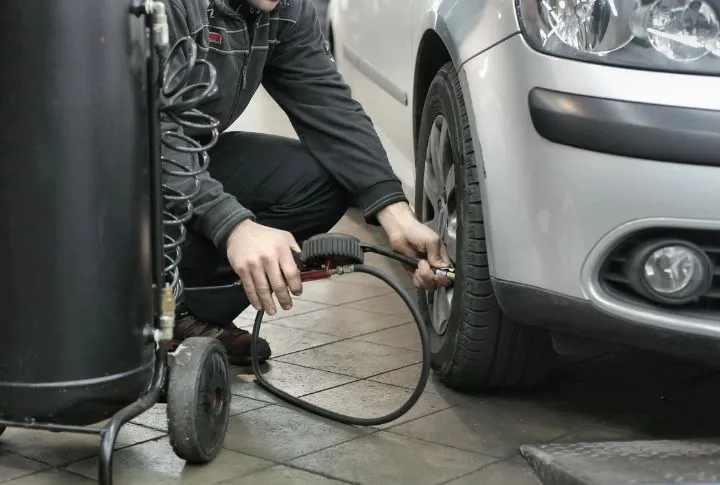
Maintaining the correct tire pressure is vital for safety, fuel efficiency, and tire longevity. Under-inflated or over-inflated tires can cause uneven wear, reduce gas mileage, and increase the risk of a blowout. Use a digital gauge to check pressure monthly, and always follow the recommended PSI listed on your car’s door sticker.
Sticking To The Manufacturer’s Maintenance Schedule

Your owner’s manual is like a health blueprint for your car, detailing essential services and timelines. Regular tasks like fluid checks and timing belt replacements keep your vehicle running smoothly and help prevent costly breakdowns. Ignoring this schedule may lead to expensive repairs down the road.
Keeping Battery Terminals Clean
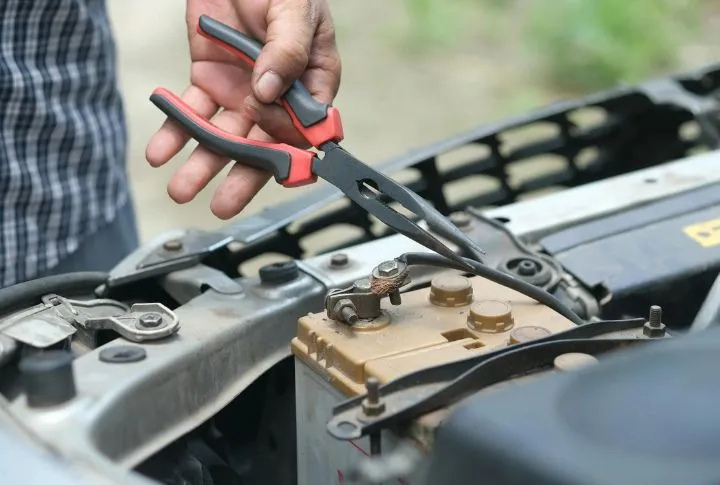
Corrosion on battery terminals can hinder your car’s ability to start and damage the electrical system. Ensure you clean the terminals with a wire brush and a baking soda solution to prevent buildup. This simple maintenance step ensures reliable power and extends the lifespan of your battery and electrical components.
Rotating Tires Every 5,000 Miles
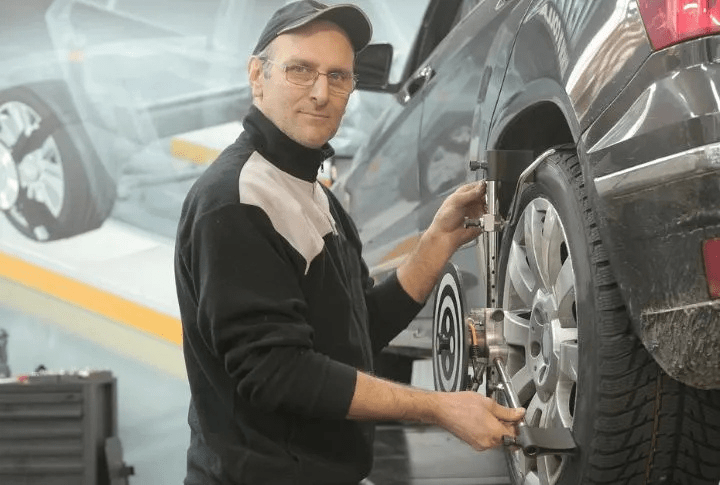
Tires wear unevenly depending on their position, so rotating them helps ensure even tread wear, which improves ride comfort and extends tire life. Failing to take this step may result in premature tire replacement. Many manufacturers recommend rotating tires during routine oil changes for added convenience.
Now that you’ve got the must-dos down, let’s switch gears. These next five habits can quietly wreck your car if you’re not careful.
Ignoring Warning Lights On Dashboard

See a warning light? Don’t shrug it off. Your car is trying to tell you something—maybe it’s low oil or faulty brakes. Ignoring these signals doesn’t make them go away. Delaying repairs can turn a minor issue into an expensive fix, which causes further damage to your car’s system.
Neglecting Regular Brake Inspections
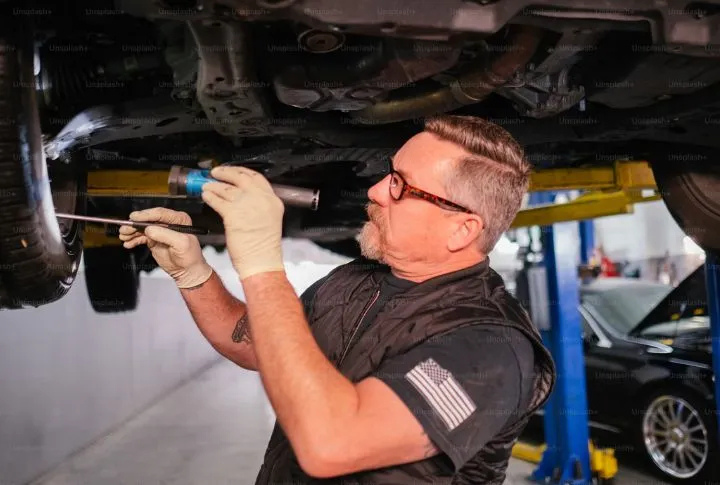
Brakes should never squeal, grind, or feel soft. If something feels off, get it inspected immediately. New car owners often assume everything’s fine, but factory defects and early wear can occur. Additionally, healthy brake pads, fluid levels, and proper maintenance are essential for safe stopping power and preventing costly repairs down the line.
Using Incorrect Fuel Type
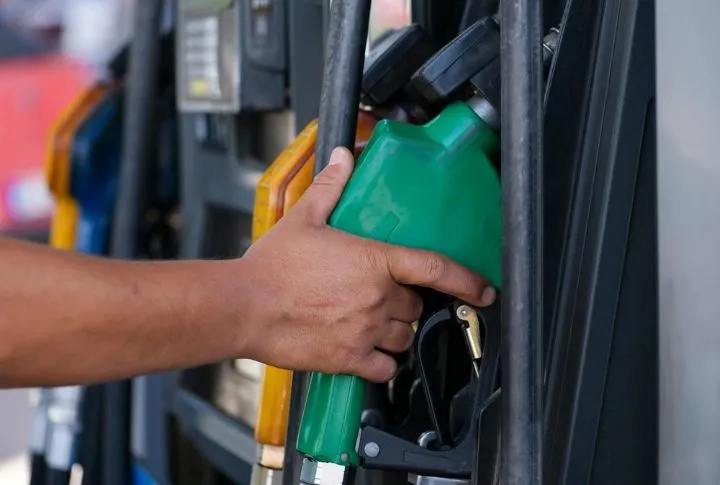
The fuel type specified for your car is important for optimal performance. Filling up with a lower grade than recommended might save you some bucks, but can lead to engine issues and long-term damage. On the other hand, using a higher-grade fuel in an engine designed for standard fuel is just an unnecessary expense. Stick to the manufacturer’s recommendation.
Neglecting Air Filter Replacement
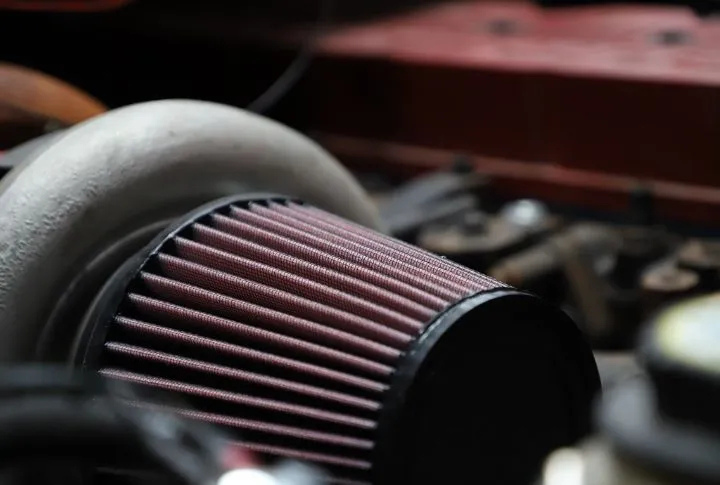
Delaying air filter replacement can hurt your engine’s performance, especially if you drive in dusty areas or cities with high pollution. A clogged filter restricts airflow, leading to sluggish acceleration and decreased fuel efficiency. Stay ahead of major repairs by inspecting it regularly—your engine will thank you with better performance.
Delaying Coolant System Maintenance

Coolant prevents your engine from overheating, but it degrades over time, and leaks can develop unexpectedly. Failing to maintain the engine can lead to engine damage or costly repairs. Regularly check coolant levels and follow the manufacturer’s recommended flush intervals to keep your system running efficiently and avoid breakdowns, especially in extreme weather.