What happens after you get a DUI arrest?
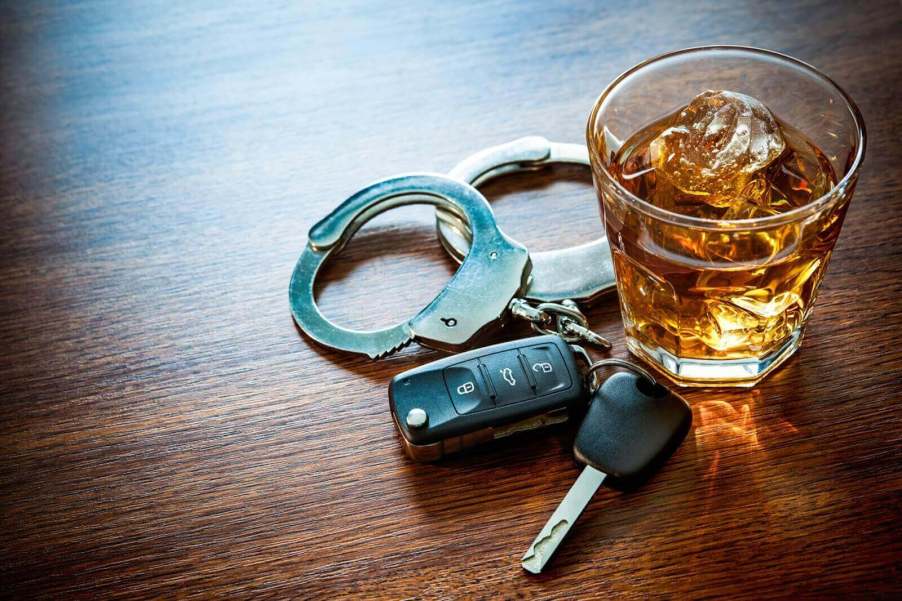
Drunk driving is no laughing matter. Even an ounce of potent alcohol can slow your reaction time and inhibit your ability to drive safely. It’s not just a safety concern for the offending driver, either. An inebriated driver poses a danger to other motorists, pedestrians, and property. As such, police take it seriously and arrest drivers for driving under the influence (DUI) every day nationwide. If you’re one of those sketchy drivers who land a DUI arrest, you can expect a few things after your free ride in a police car.
You can expect a few nasty events after your DUI arrest, like jail time and posting bail
Every state is different, but a DUI arrest will bear some consistency across the country. For starters, if you register over the legal limit for alcohol after a breathalyzer, law enforcement officers (LEO) will place you under arrest. A police officer will read you your rights and place you in a patrol car. After that, you’ll be transported to a police station for booking.
From there, you can expect to spend time in a jail cell. Granted, the amount of time depends on several factors, like time of day, day of the week, and bail status. For instance, if you’re allowed bail parameters and are financially capable of posting bail, you likely won’t spend long in jail. Bail releases an offender from custody. It also acts as a financial assurance to the government that the offender will appear for your court date.
However, according to Patituce & Associates, not every offender will be granted a chance at posting bail. For example, if the offender caused a death in the process of driving while intoxicated (DWI), they may not be allowed to post bail. Furthermore, repeat offenders may be denied bail by a judge and forced to stay in jail throughout the process.
Moreover, a driver can expect a license suspension or revocation following a DUI arrest. As a result, you may need to get a temporary or occupational license, per NOLO. This will allow an offender to remain mobile during the process.
Finally, punishment may span from probation to fines and prison time. As part of a driver’s punishment, a judge may mandate an ignition interlock system. The interlock, like the breathalyzers law enforcement uses, will detect the presence of alcohol. Consequently, a driver who has consumed alcohol may not be able to start their car.