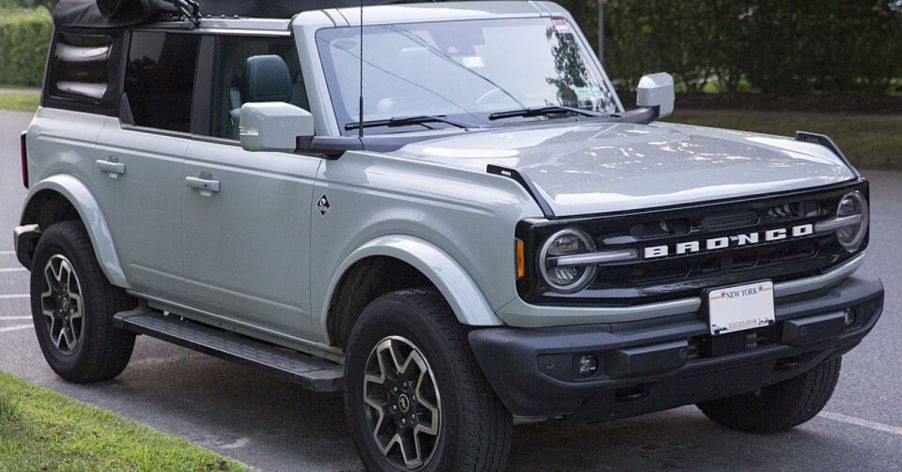
20 Ways The Ford Bronco Changed The SUV Game Forever
The Ford Bronco played a leading role in shaping the SUV movement. Built for rugged trails and embraced in pop culture, it redefined how Americans explore and drive. The name is iconic, but the details behind its legacy often go unnoticed. Read on to explore 20 innovative Bronco milestones that redefined the SUV.
First In-House SUV Design
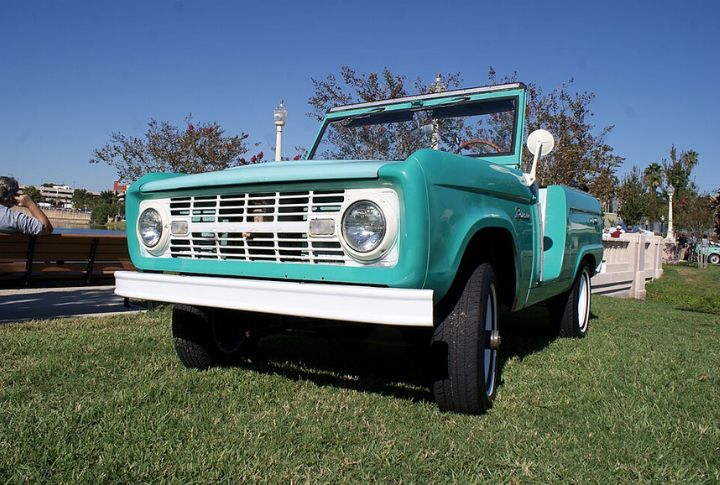
Ford launched the Bronco in 1966 to rival Jeep and Scout. It was the first SUV with a uniquely built chassis. Buyers could choose from three body types—wagon, roadster, or half-cab. That lineup helped define what Americans would come to expect from a sport utility vehicle.
Baja Racing Wins Proved Capability
Parnelli Jones drove the “Big Oly” Bronco to victory in the 1971 and 1972 Baja 1000. These off-road wins proved SUVs could dominate motorsports. Ford capitalized on the fame to market durability. That racing credibility built Bronco’s image as a true off-road performer from the beginning.
Family-Friendly Upgrades In 1973
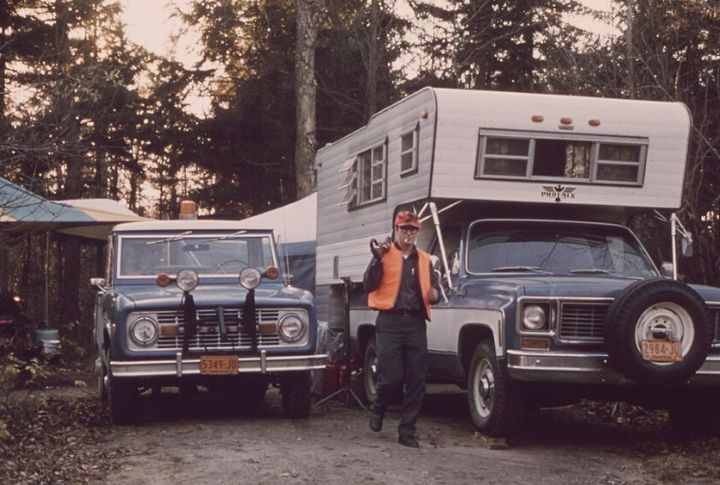
Automatic transmission and power steering were added in 1973. These changes made the Bronco more appealing to families and city drivers. It was no longer just a trail machine. The upgrades signaled a new direction in SUV design—more comfort, less effort, and broader everyday usability beyond off-roading.
1978 Redesign Used Truck Frame
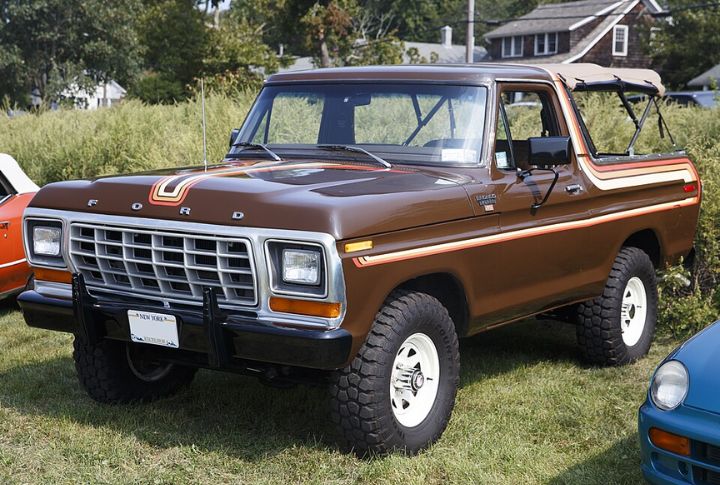
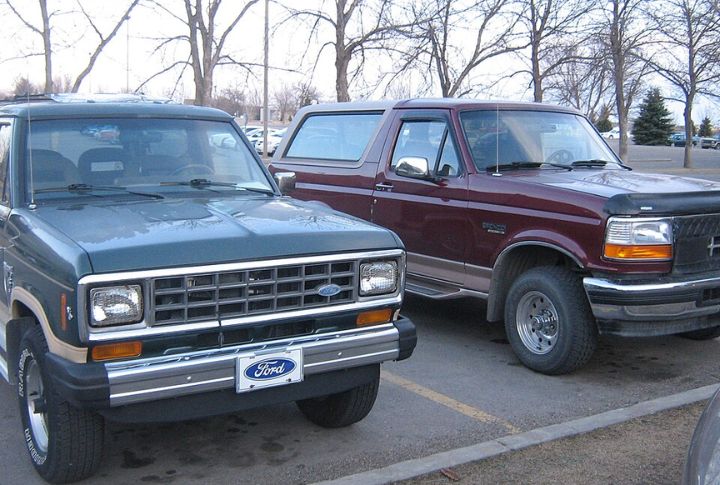
Ford shifted the Bronco to the full-size F-Series truck platform in 1978. This change allowed for bigger V8 engines and a roomier cabin. It also gave the Bronco stiffer competition against Chevy’s Blazer. The new setup added more power and passenger comfort, without losing ruggedness.
Downsized For Fuel Efficiency
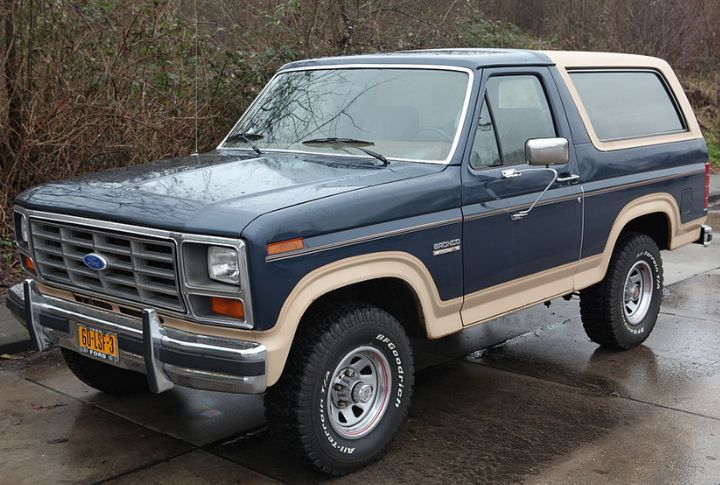
In the early 1980s, the Broncos were downsized to improve gas mileage during the fuel crisis. Independent front suspension also made the ride smoother. These updates helped the vehicle meet emissions standards and appeal to eco-conscious buyers. Ford adapted quickly, proving SUVs could evolve with changing energy needs and regulations.
Compact Bronco II Launched In 1984
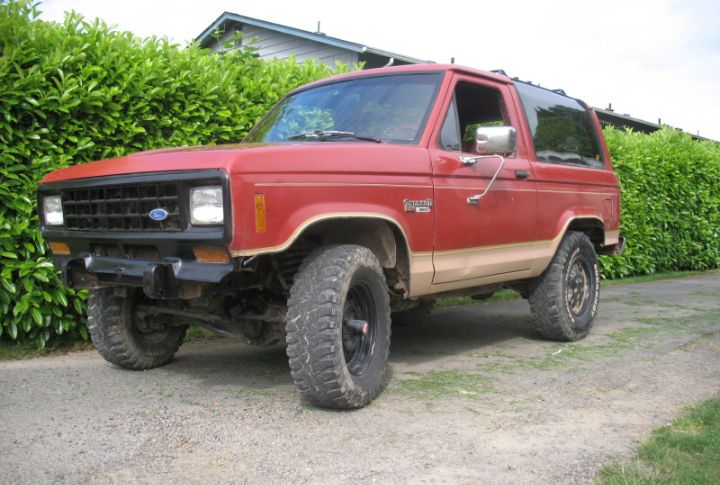
The Bronco II arrived in 1984, built on the Ford Ranger platform. Its compact size made it easier to park and more suitable for urban use. The smaller SUV paved the way for the Ford Explorer. That success marked Bronco II as a key step in SUV evolution.
O.J. Simpson’s 1994 Police Chase Boosted Fame
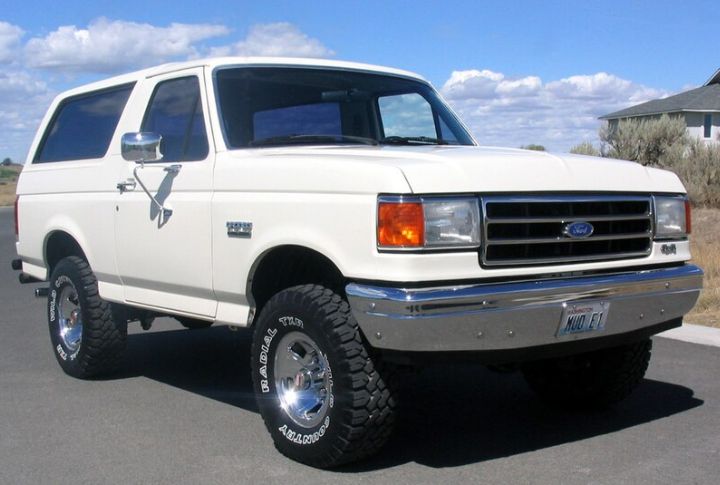
Over 95 million Americans watched the 1994 live police chase when a white Ford Bronco carried O.J. Simpson across Los Angeles highways. That broadcast became one of the most-watched moments in TV history with 95 million views. Bronco gained global recognition, securing its place in American media and public memory.
Bronco Retired In 1996 For The Expedition
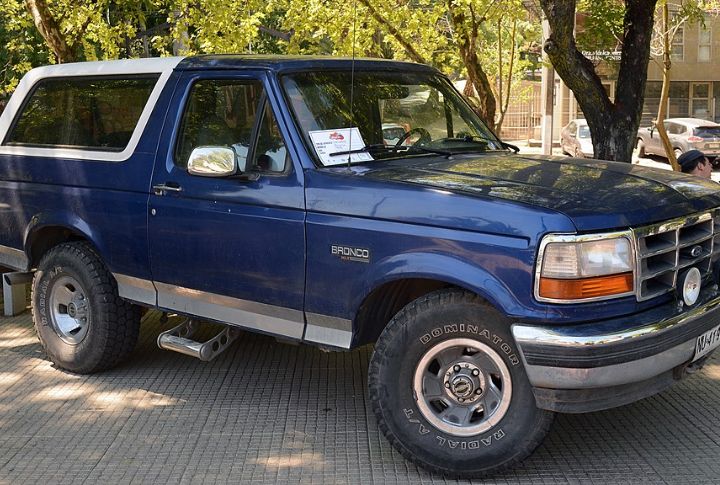
Ford ended Bronco production in 1996 to make room for the four-door Expedition. Larger families demanded more space and practicality. Five generations of Broncos had served diverse needs. Retirement marked the end of an era, but growing SUV trends called for a modern, family-focused replacement.
2021 Return With Modern Features
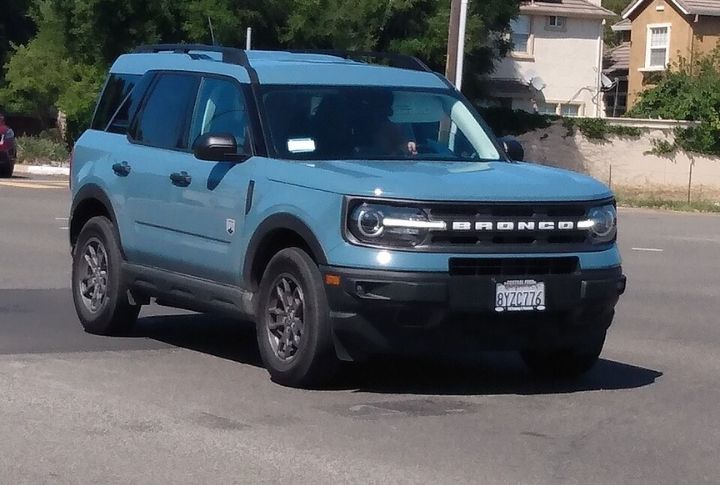
Ford revived the Bronco in 2021 with features like Trail Control and G.O.A.T. modes. The model also included up-to-date safety systems. Preorders surged due to nostalgia and capability. The reboot combined off-road tradition with digital-age tech, creating a new chapter for one of Ford’s most loved vehicles.
Stroppe Edition Pays Homage
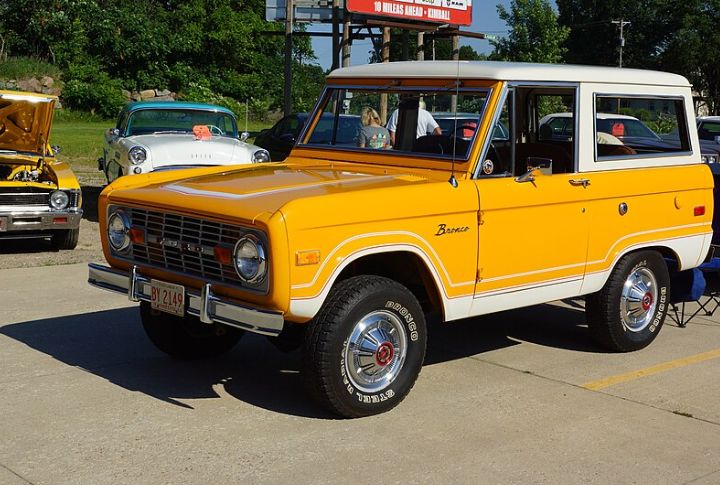
The Limited Stroppe Edition honored its 1970s Baja racing roots. It featured retro paint schemes and upgraded gear, along with commemorative badging. The model paid tribute to Bill Stroppe’s desert-racing legacy. The package wasn’t just for looks—it also boosted performance, tying modern builds to off-road racing history.
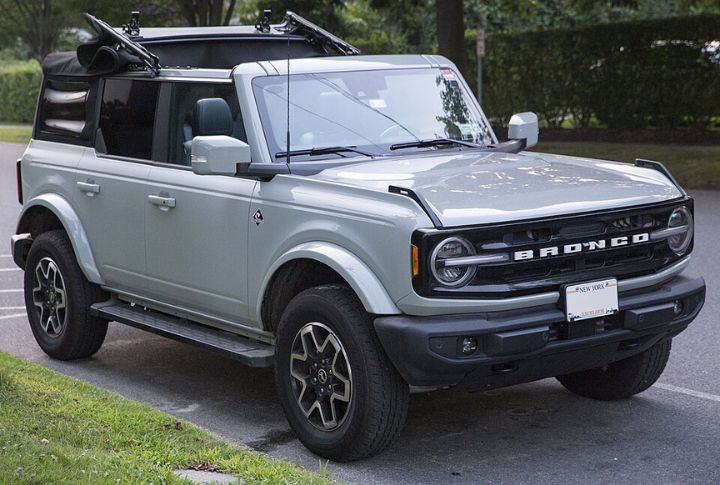
Roof And Doors Are Removable
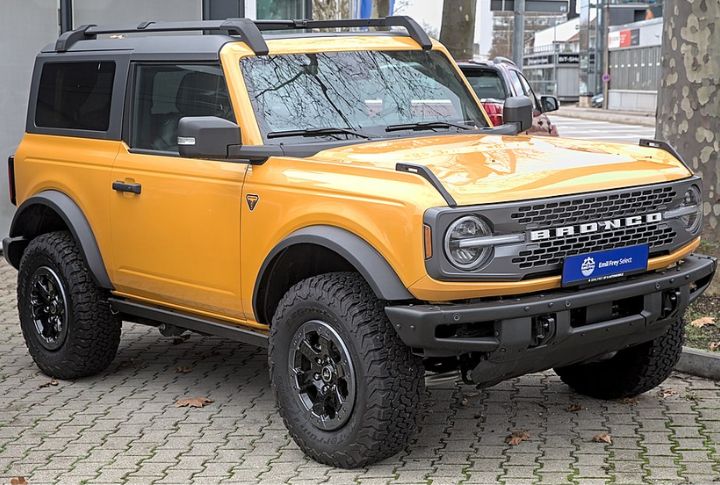
The sixth generation brought back open-air driving. Drivers could easily remove roof panels and doors using labeled parts. This setup allowed a true convertible SUV experience without special tools. The feature appealed to outdoor enthusiasts and mirrored the freedom offered by Jeep’s Wrangler-style configuration.
G.O.A.T. Modes Made Off-Road Setup Instant

“Goes Over Any Terrain” Modes launched with the 2021 Bronco. Drivers selected between seven presets, each adjusting traction, throttle, and stability systems. From deep mud to rocky trails, the terrain didn’t matter. Adjustments were automatic, letting newcomers enjoy off-roading without decades of driving experience.
Trail Suspension Delivered Speed Without Bone-Jarring Bumps
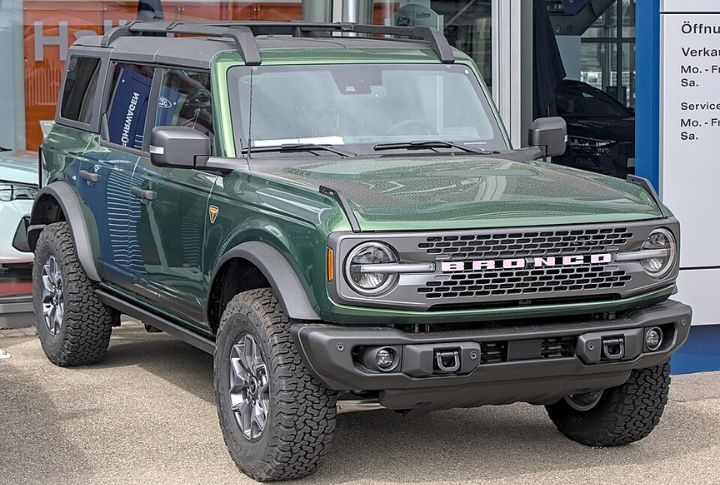
High-performance HOSS suspension includes long-travel shocks and independent front movement. Unlike older setups, this system improved ride quality without compromising control. Passengers felt fewer jolts, even on harsh trails. Off-road comfort became as much a selling point as power or durability in newer builds.
Bronco Raptor Redefined Factory Off-Roading
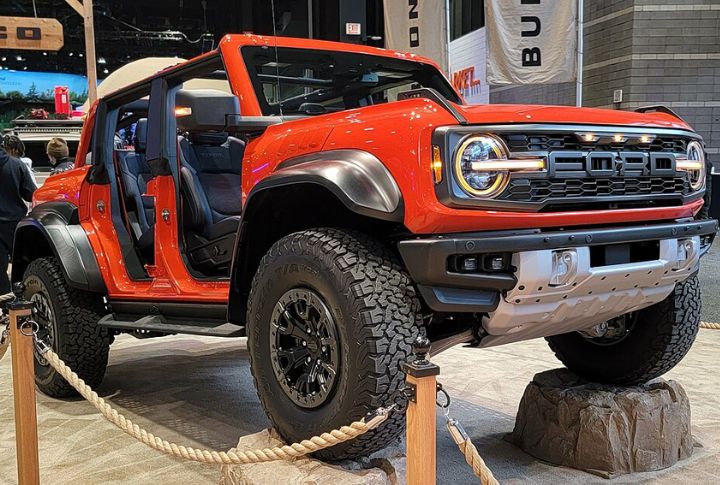
With 418 horsepower and FOX Racing suspension, the Bronco Raptor became the most extreme version ever offered. A wide stance and 37-inch tires added desert capability straight from the showroom. Buyers no longer needed to modify vehicles for rugged terrain. Performance and warranty came fully packaged.
Wash-Down Interior Encouraged Dirty Driving
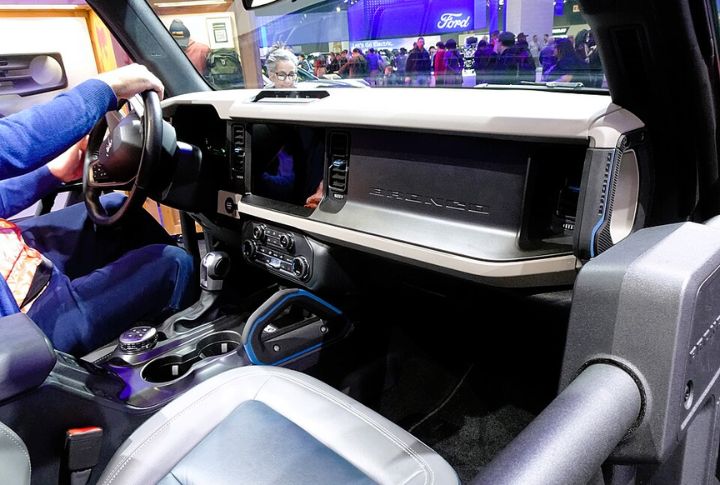
Rubberized floors and drain plugs made cleaning simple after muddy excursions. Seats covered in marine-grade vinyl didn’t absorb water or dirt. This design echoed military vehicle utility. Bronco encouraged real-world adventure instead of showroom preservation. Messy fun was part of the brand.
Software Updates Came Through Wi-Fi, Not Wrenches
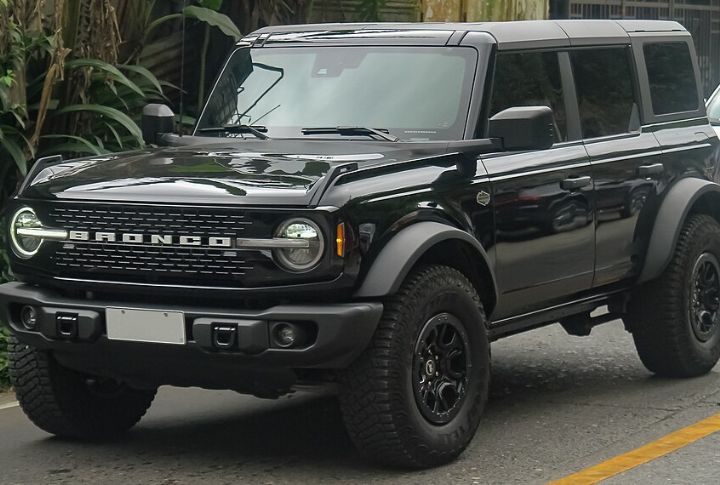
Infotainment, engine controls, and drive settings could all be updated remotely. Ford used cloud-based tech similar to Tesla’s to deliver fixes and new features. Owners skipped dealership visits entirely. Bronco entered the digital age without compromising rugged capability, blending off-road muscle with 21st-century convenience.
Rear-Mounted Spare Swung Away For Access

A pivoting swing gate carried the spare tire, freeing up rear cargo access. Campers and overlanders appreciated the full opening clearance. Function and fun met in a design tailored for real trail users, not mall cruisers. One bonus detail? A built-in bottle opener in the tailgate.
MOLLE Panels Gave Gear Its Place
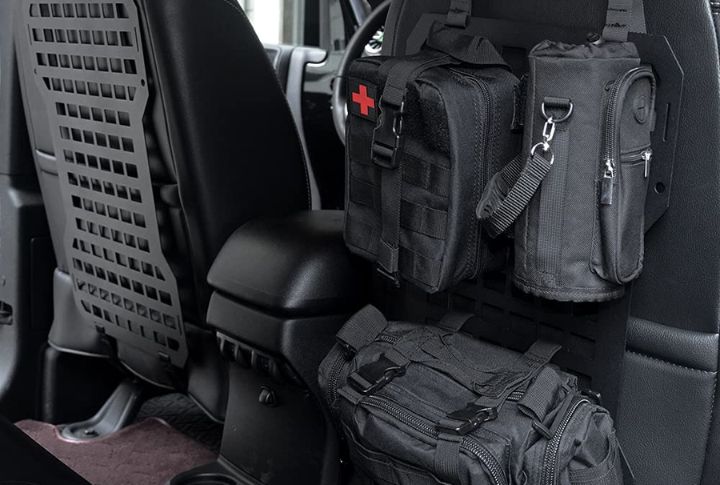
Military-inspired MOLLE mounting strips let owners attach tools or supplies directly to interior panels. No drilling or special brackets needed. Storage became fully modular and field-ready. Ford added serious utility with a system that appealed to both campers and tactical-minded drivers.
Tight-Trail Turns Became Effortless With Assist Tech
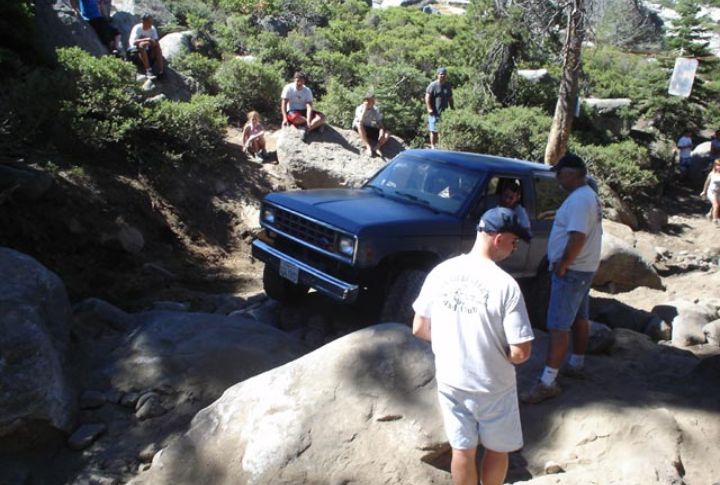
Trail Turn Assist is activated by locking the inner rear wheel. This feature allowed up to 40% tighter turns, even on narrow paths. Rock crawlers gained precise control without resorting to risky multi-point maneuvers. Forest switchbacks and tight obstacles became less stressful to manage.
Trail Control Took Over At Low Speed
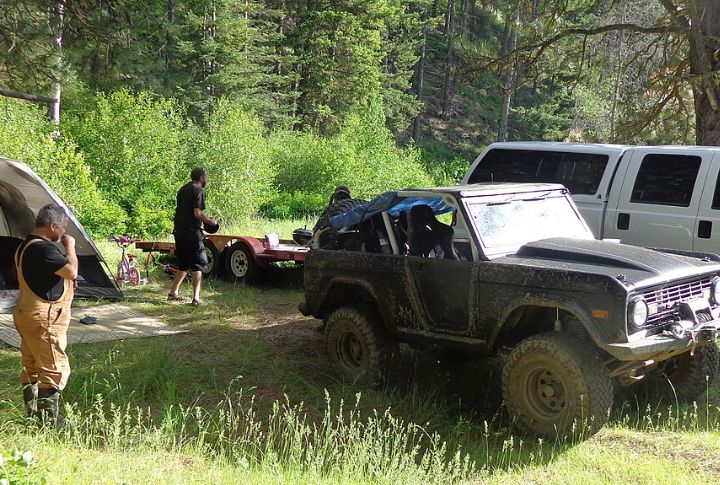
Drivers could set a crawl speed and the Trail Control managed throttle and braking automatically. Instead of juggling pedals, the focus shifted to steering. This meant less stress on steep climbs or slippery descents. Bronco turned technical terrain into a more manageable challenge even for beginners.