Make sure a pre-purchase inspection includes 4 specific checks to avoid major expenses on a used car
Buying a used car might save you money upfront, but hidden issues can lead to costly repairs. I wrote service for a local shop here in Ohio for a decade straight. It wasn’t unheard of for a customer to call up after buying a vehicle they didn’t have us sweep over first. And boy did the resulting laundry list of needed items smart everyone involved. What I learned is this: A pre-purchase inspection (PPI) with a repair estimate is your best advocate.
Here are five essential things to include in a pre-purchase inspection to protect your investment in a used car:
First, make sure the car is looked over by a neutral, trusted shop.
Inspect the air conditioning system with UV goggles
Air conditioning repairs can be pricey. Even years ago, it wasn’t unusual for me to present estimates exceeding $1,000 to get a car’s cabin airflow cold again. Ask the mechanic to use UV goggles to check for leaks in the AC system. Many AC systems that have had low freon in the past contain a dye. The dye would have been injected to detect leaks that are otherwise invisible. Catching a leak early can save you from a sweltering summer and a hefty repair bill.
Scan all critical systems for fault codes
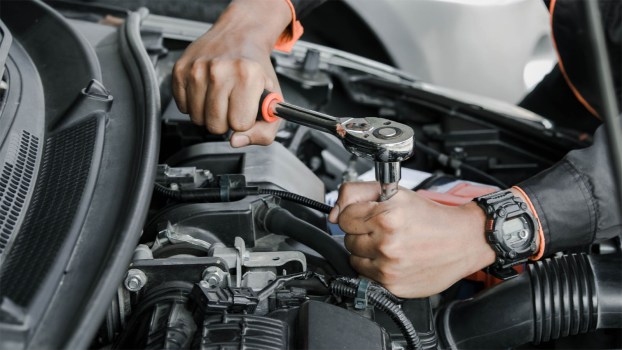
Mechanics have specialized equipment to find issues you might never notice during a test drive. As part of the pre-purchase inspection, ask them to scan the car’s computer for fault codes. These codes reveal both current and historical problems. Request the shop to record the codes and provide repair estimates. Use this information to address issues with the seller or negotiate a lower price. This step alone can save you thousands. A good example is revealing catalytic converter fault codes. In early-stage failure, converters rarely display symptoms a driver could detect.
Thorough steering and suspension Inspection
Ensure the mechanic checks the steering and suspension systems. This includes looking for worn parts like ball joints, tie rods, bushings, and wheel bearings. You’d ask the technician to check for “play,” or unnatural movement a driver might not notice. Steering fluid leaks should also be on their radar. These components affect how the car handles and can be expensive to fix if overlooked. Early detection keeps you safe and prevents future headaches.
Check for critical fluid leaks
Fluid leaks are red flags. Have the mechanic inspect for oil, coolant, and transmission fluid leaks. These fluids are critical for the car’s operation and safety. Driving with any of these fluids low can ruin entire systems and make the vehicle inoperable without engine or transmission rebuild or replacement.
With any items flagged on inspection, make sure the tech identifies the fix and provides an estimate for making it right. Believe me, pushing through a used car deal without a pre-purchase inspection is just asking for a major headache down the road. Oh, and while we’re on the subject, you can use MotorBiscuit’s seamless car buying tool to compare used car listings and find a good deal in your area.