4 overlooked traffic rules that could save you from a ticket…or worse
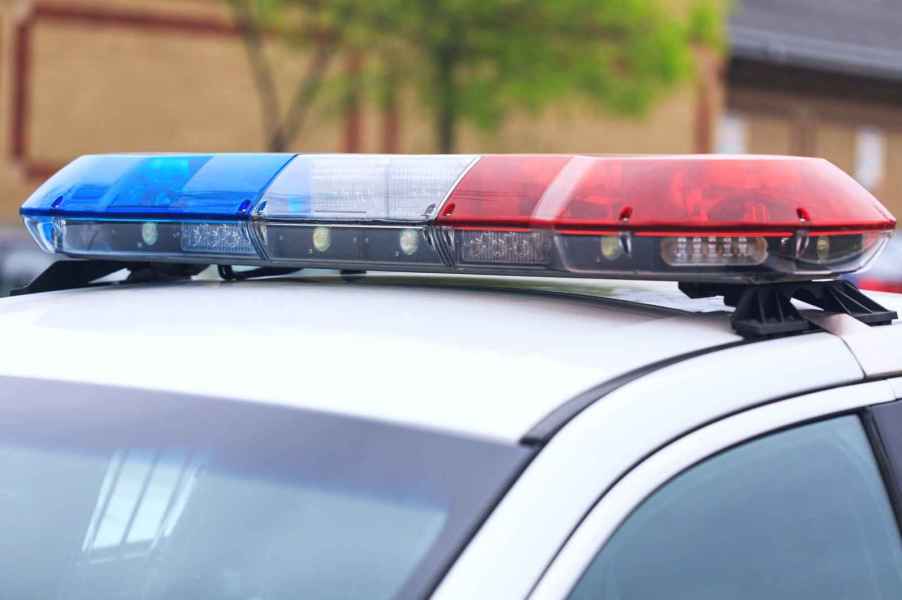
Every driver dreads seeing those flashing lights in the rearview mirror. Often, tickets come from breaking rules that aren’t common knowledge but still matter. Here are three traffic rules that many drivers overlook. Remembering them could save you from a ticket…plus prevent an avoidable accident and keep your insurance rates down.
Drivers might forget or ignore these traffic laws and end up with a ticket:
- You must signal before and during a lane change
- Stop signs require a complete stop
- In most states, you can’t just hang out in the left lane
- “Move Over” laws apply to tow trucks, too
Even if there’s no one around, the law requires you to signal before changing lanes. Lots of drivers think they only need to signal if cars are nearby, but that’s a common mistake. Signaling lets other drivers (and any nearby police officers) know your intentions. Failing to signal can lead to a citation, even if it seems like a harmless oversight.
A “rolling stop” might save you a second, but it’s also a way to get a ticket. In some areas, you might notice police watching intersections closely for drivers who don’t fully stop. Coming to a complete stop means your wheels should stop moving entirely. Just slowing down doesn’t count. Treat every stop sign like you’re taking a driving test: Come to a full stop, then look both ways before proceeding. Besides avoiding tickets, it’s just safer.
On highways, the left lane is for passing. Many drivers don’t realize that cruising in the left lane is actually against the law in a lot of states. And anyway, it’s generally considered unsafe. Staying in the left lane blocks faster-moving traffic and can lead to dangerous tailgating or road rage. When a car is trying to pass, stay right to avoid conflicts. Some states enforce “keep right” laws more strictly than others, but in general, you’ll reduce your risk of being pulled over by staying out of the left lane unless you’re actively passing.
If you live in a “Move Over” state, it means that anytime an emergency or commercial vehicle performs its job duties on the road, motorists need to slow down and move over a lane. In my home state of Ohio, this includes tow trucks. Per Ohio.gov, “the law applies to vehicles with flashing lights of any color, including law enforcement officers, emergency responders, road construction, maintenance vehicles, utility crews and tow trucks.” In any case, it’s safer for everyone to take note of a working responder, assume you should drive more slowly to pass, and give them space enough for them to safely perform their jobs.