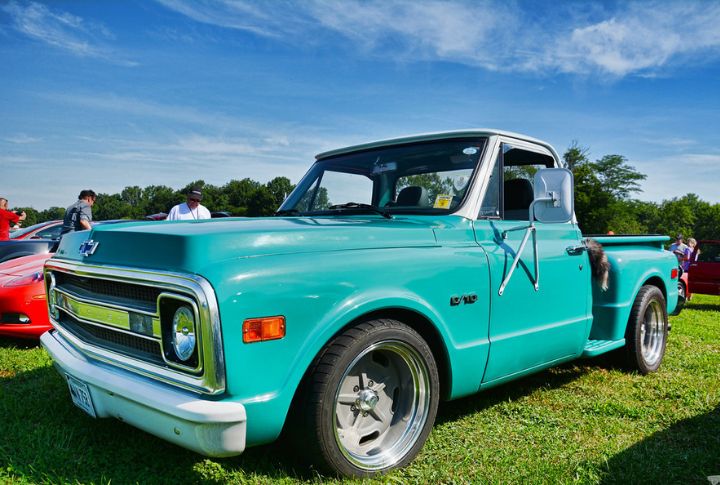
15 Things You Need To Know About The Chevy C10 And K10 Trucks
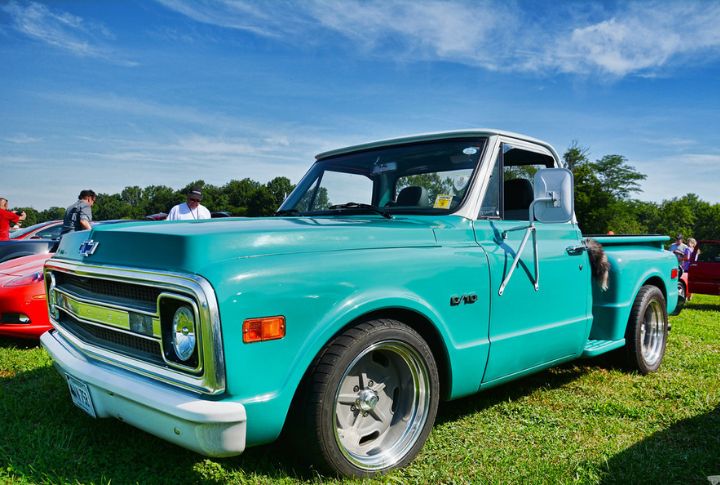
A few names resonate as strongly as Chevrolet regarding classic American trucks. For decades, Chevy trucks have symbolized rugged reliability, timeless style, and power that can handle just about anything you throw at them. Among these legends, the Chevy C10 and K10 stand out as icons of their era, and they capture the hearts of truck enthusiasts and collectors. But while they may look similar at a glance, these two trucks have distinct differences that set them apart.
Understanding The Numbers On The Truck Models
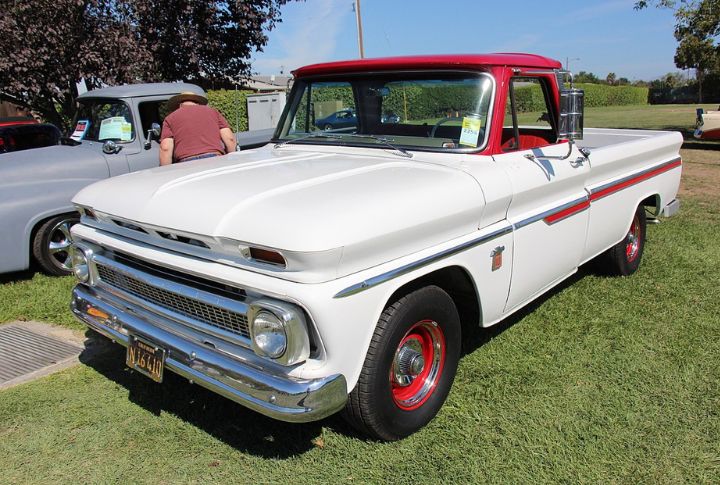
The numbers in the C10 and K10 model names are not arbitrary—they represent the truck’s weight rating. The 10 indicates that these trucks were rated as half-ton pickups, meaning they were designed to carry a payload of approximately 1,000 pounds. Chevy also offered heavier-duty versions, such as the C20 and K20 (three-quarter ton) and C30 and K30 (one ton).
The Significance Of C and K
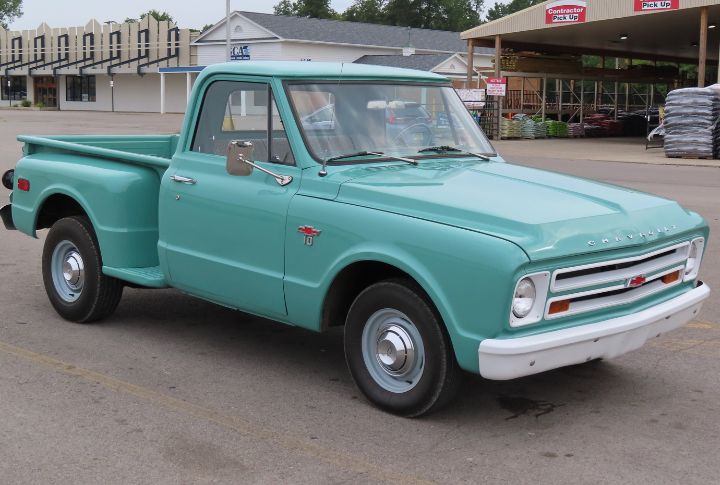
The most defining difference between the Chevy C10 and K10 lies in the letter that precedes their model numbers. The “C” in C10 stands for two-wheel drive, while the “K” in K10 denotes a four-wheel drive system. This fundamental difference in drivetrain configuration sets these two trucks apart in function and capability.
They Were Built For Different Purposes
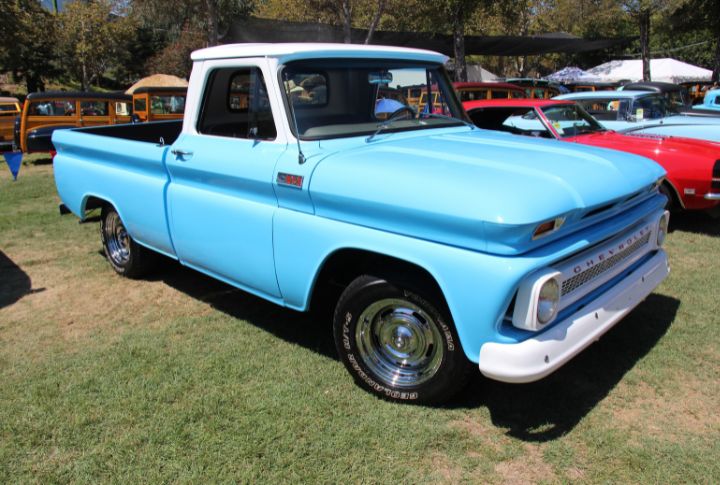
With its rear-wheel-drive layout, the C10 was designed primarily for on-road use. It offered a smooth ride and better fuel efficiency. On the other hand, the K10, equipped with four-wheel drive, was built to tackle off-road terrains, and this makes it the go-to choice for those needing a vehicle that could handle rough and challenging conditions.
A Different Driving Experience
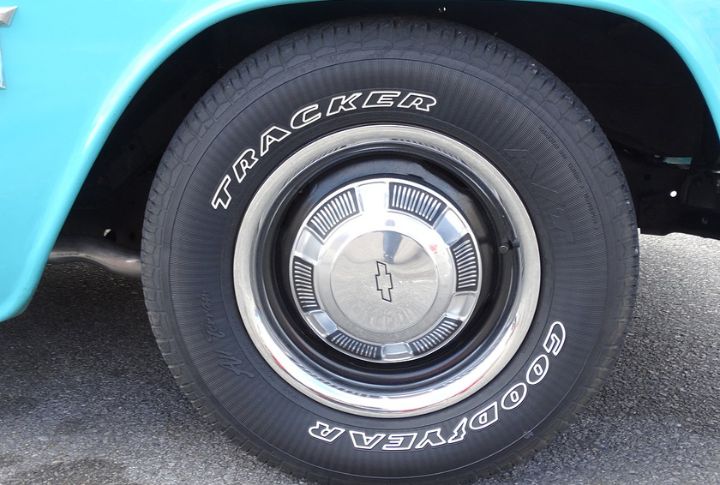
The C10’s two-wheel drive system made it suitable for city driving, light-duty tasks, and daily commuting. It was ideal for those who needed a reliable, comfortable truck for general transportation and light hauling. In contrast, the K10’s four-wheel-drive capabilities made it perfect for off-road adventures, farm work, and jobs that required navigating challenging landscapes. It was built to conquer where the C10 might struggle.
Visual Similarities
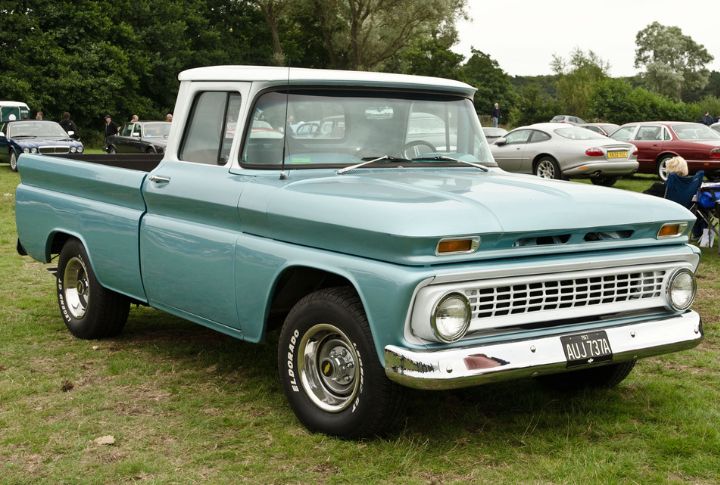
At first glance, the Chevy C10 and K10 appear nearly identical. Both trucks share the distinctive, boxy design that has become emblematic of classic American pickups. From their chrome-accented grilles to their square headlights and wide stance, the C10 and K10 are unmistakably part of the same family. The K10’s four-wheel-drive system sits higher off the ground for an imposing presence, particularly when equipped with larger off-road tires.
When Did Chevy Decide To Produce Both?
Chevrolet’s decision to produce the C10 and K10 models was a strategic move to respond to the growing demand for versatile pickup trucks. It recognized that while many buyers needed a reliable on-road vehicle, there was also a significant market for trucks capable of handling heavy-duty work. By offering a two-wheel-drive (C) and a four-wheel-drive (K) version in 1960, Chevrolet was able to appeal to a broader audience.
A Successful Run
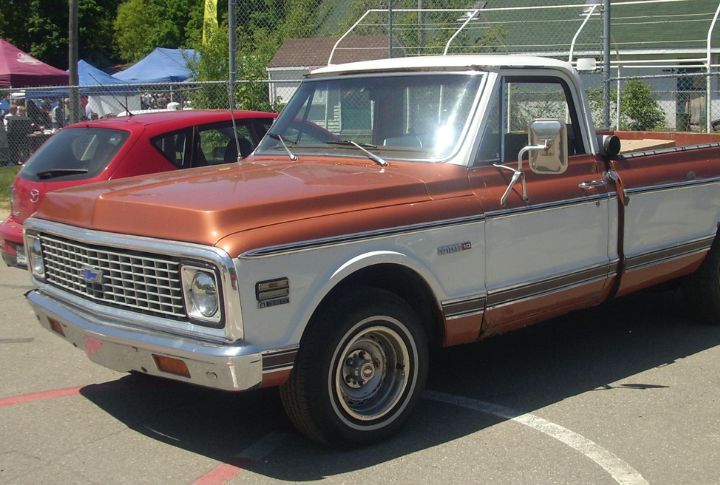
The Chevy C/K series enjoyed a long and successful run which spanned four generations from 1960 to 1998. Each generation brought many improvements and changes that reflected truck buyers’ evolving needs and tastes over the decades. The second generation from 1967 to 1972 is often considered the most desirable by collectors today, thanks to its classic styling and introduction of modern features.
First Generation Was Built On Body-On-Frame Construction

Chevy’s C10 and K10 were built using body-on-frame construction. This method involved mounting the truck’s body onto a rigid frame, which provided the vehicle with the structural integrity needed for heavy-duty tasks. The trucks could easily handle tough workloads and rough terrain. This made them popular among farmers, ranchers, and tradespeople who needed dependable vehicles for demanding daily tasks.
Second Generation Was Offered As A Chassis Cab
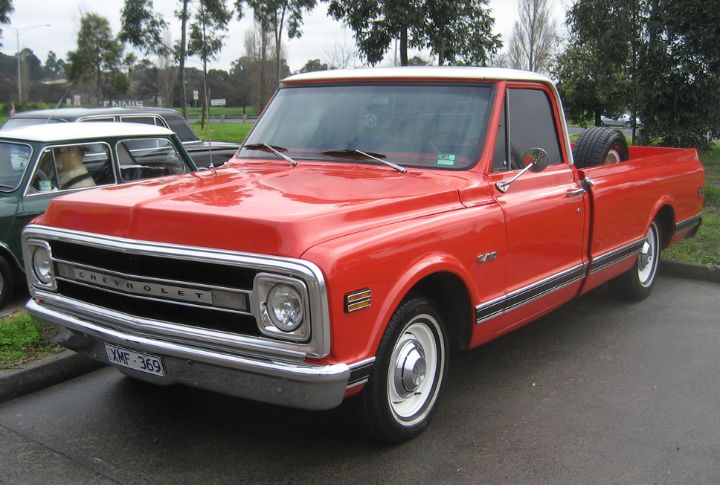
The second generation of the Chevy C10 and K10, produced from 1967 to 1972, saw the introduction of a new option that expanded the trucks’ versatility—chassis cab vehicles without a pickup truck bed. This option allowed buyers to customize their trucks to better suit specific needs, such as installing specialized equipment, toolboxes, or custom beds for unique tasks.
10 Engine Options Were Available
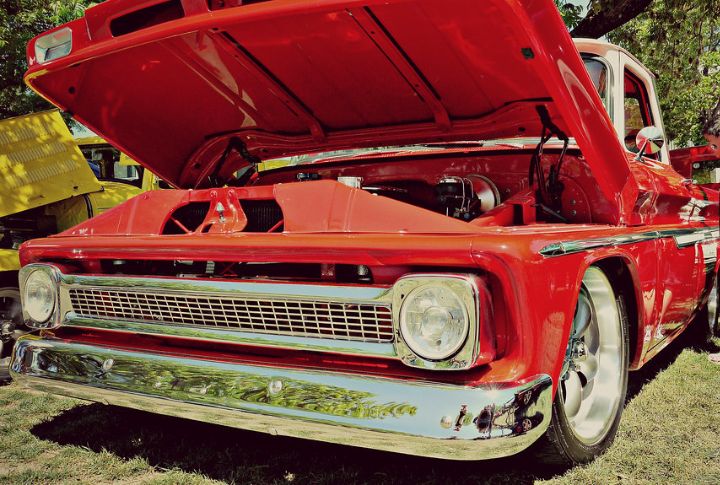
As an upgrade from the first generation’s three engine options, buyers could choose from multiple engines, from the base inline-six engines to the more powerful V8s. The most potent option was the 402 cubic-inch V8, which could produce up to 300 horsepower for those who needed a truck capable of handling the toughest tasks.
New Design For Improved Aerodynamics
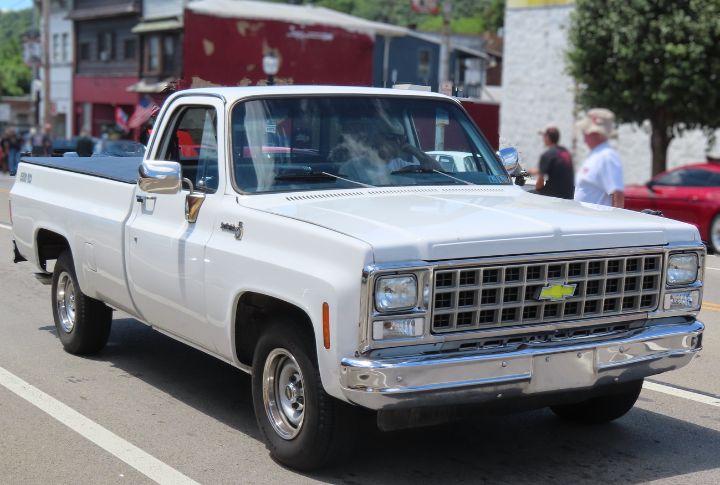
When Chevrolet introduced the third generation, referred to as the Square Body, they wanted to reduce air resistance and enhance fuel efficiency. The designers smoothed out the edges, integrated the headlights into the front grille, and made the truck’s profile more streamlined, all to improve the truck’s aerodynamics. These changes helped the trucks perform better on the highway and gave them a modern and distinctive look.
Fourth Generation Included Gas and Diesel Engines

Introduced in 1988, the fourth and final generation of the Chevy C10 and K10 marked a significant evolution with gas and diesel engine variants. Buyers could choose top-tier gas engines producing up to 340 hp, a substantial increase over previous generations. Diesel engines were also offered, catering to those who needed more torque and better fuel economy for heavy-duty tasks and long-distance hauling.
It Was Time For A Goodbye
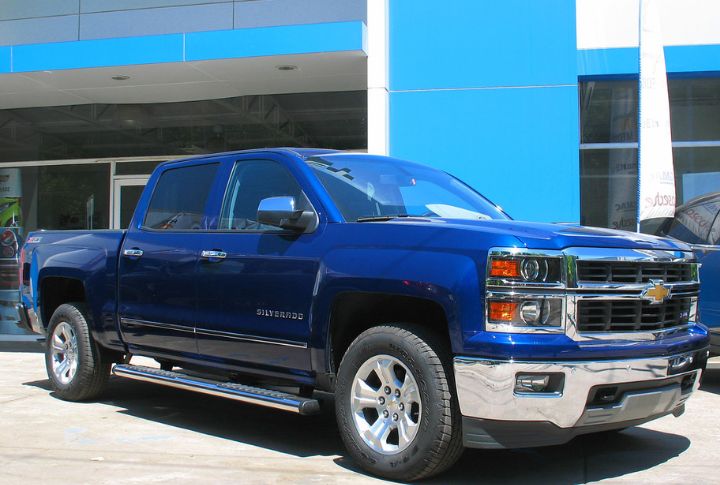
Despite being one of the most popular American pickup trucks, Chevy eventually discontinued the C/K series after the 2000 model. Demand changed as people wanted more comfort, and introducing more advanced production platforms created a need to replace the classic C/K trucks with the more advanced Chevrolet Silverado and GMC Sierra.
Price When They Were Still in Production
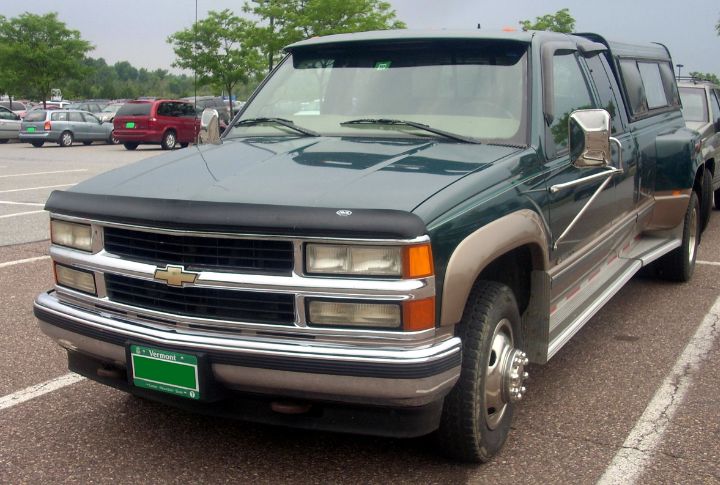
During their production years, the pricing of the Chevy C10 and K10 varied depending on the model year, features, and options chosen. In the 1960s, when the C10 and K10 first hit the market, the base price for a C10 was lower than the price of the K10 by at least 25%. The prices of both lines increased significantly.
Difference in Price Now
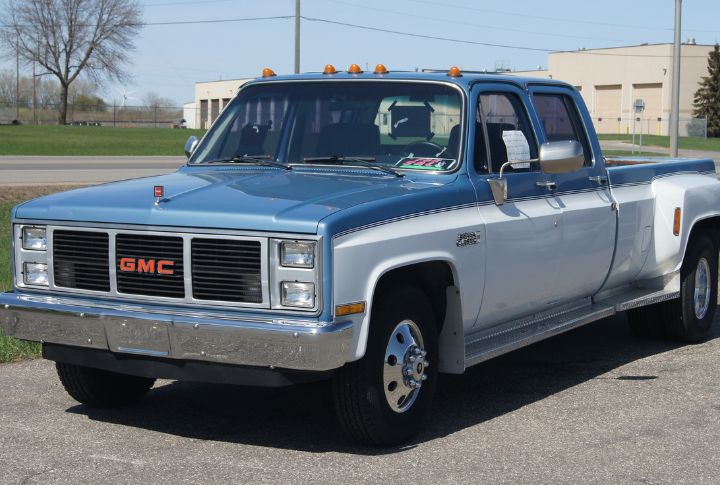
Today, the prices of the C10 and K10 on the collector’s market can vary widely based on condition, originality, and rarity. A well-preserved or fully restored C10 from the late 1960s can cost between $20,000 and $50,000, or even more for rare models. The K10, the more rugged and often rarer model due to its four-wheel-drive system, can fetch even higher prices.