These 20 cars from the ’50s are why modern rides make us yawn
Today, cars are competent and generally forgettable. In the 1950s, though, automakers leaned into drama.
Cars were statements with long, low-slung bodies and sculpted fins. Driving one wasn’t just transportation: It was performance. These machines had character and a kind of soul that’s hard to factory-build today. Let’s revisit the legends.
1957 Ford Thunderbird
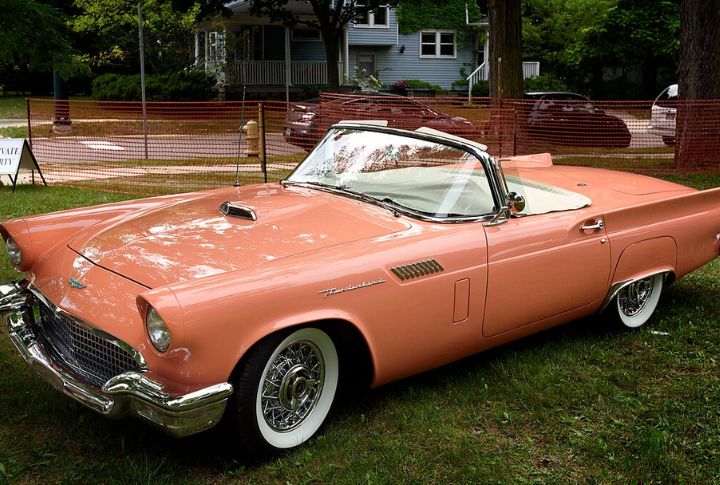
The 1957 T-Bird walked the line between sports car and personal luxury. Its tailfins and removable hardtop made it a fashion piece. But under the hood, the 312 V8 didn’t just purr—it moved. It gave drivers flash without compromising comfort and helped Ford carve its place in the market.
1950 Jaguar XK120
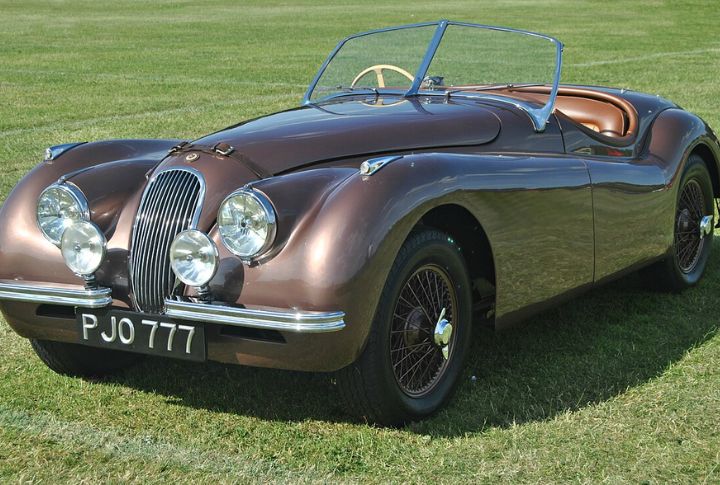
This wasn’t just the world’s fastest production car in its time; it was a work of rolling sculpture. The XK120’s sweeping lines and crafted curves felt like something between art and engineering. Powered by a 3.4-liter inline-six, it delivered thrills and turned heads in equal measure.
1959 MGA 1500
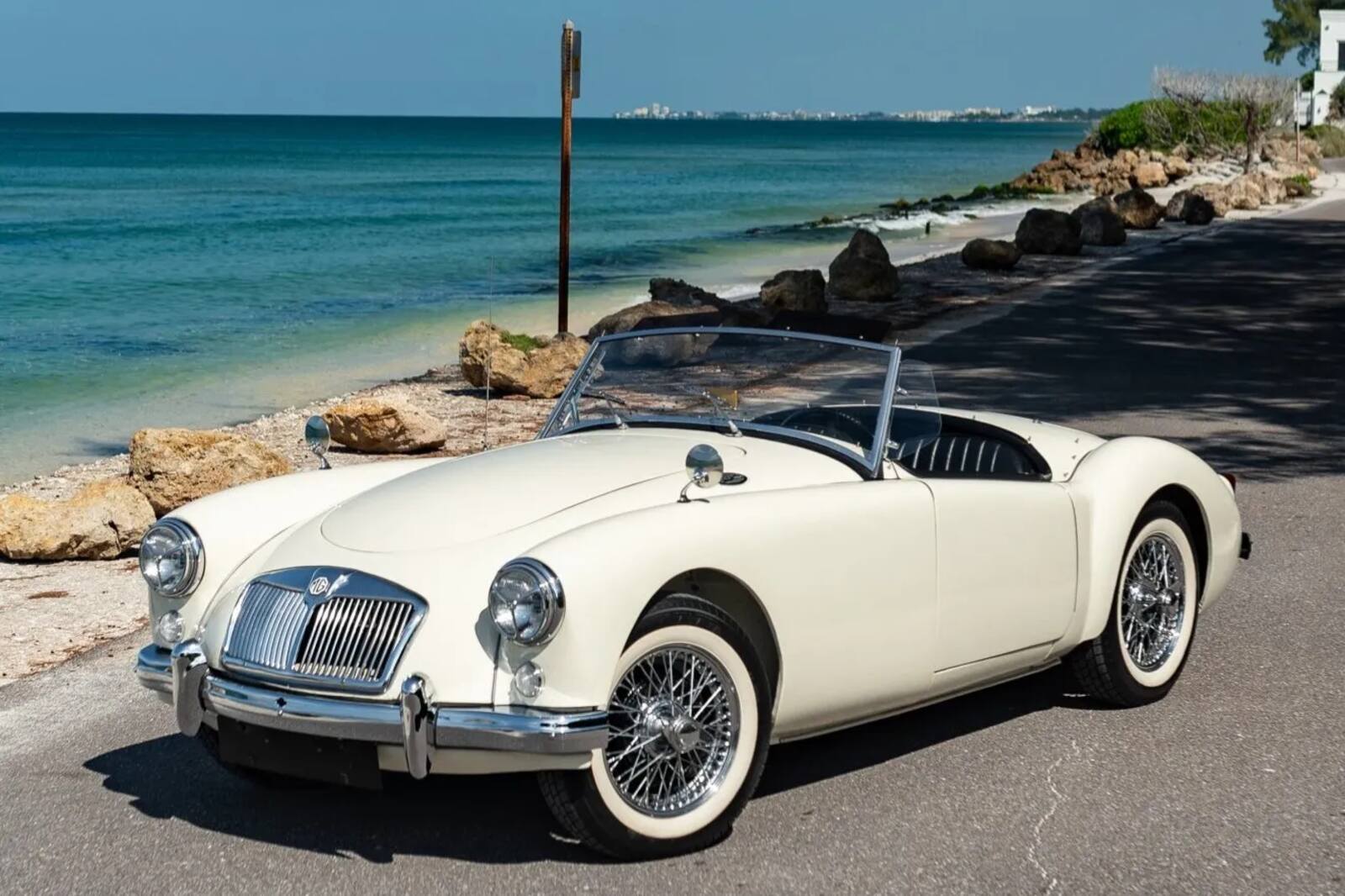
The MGA 1500 was built for drivers who wanted to feel the road. It was light, low, and stripped of nonsense. The 1.5-liter engine wasn’t overpowering, but the chassis begged to be tossed into corners. It was the kind of car that made Sunday drives feel like laps at Goodwood.
1959 Aston Martin DB4 GT Zagato
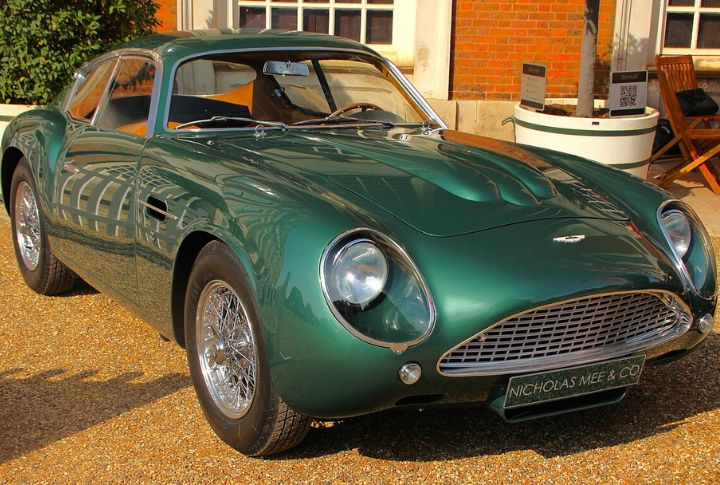
Born of competition and couture, this Aston was no garage queen. The Zagato-bodied DB4 GT was leaner and lighter than its base model, and the hand-finished aluminum panels shaved weight without sacrificing elegance. Only 19 were made, each one bespoke and beautiful.
1955 Chevrolet Bel Air

The 1955 Bel Air didn’t shout—it smirked. Its crisp trim and tailored lines carried just the right amount of swagger. Chevy’s new 265 small-block V8 made it more than a pretty face. It ushered in the Tri-Five era and became a symbol of postwar optimism and blue-collar style.
1955 Porsche 550 Spyder
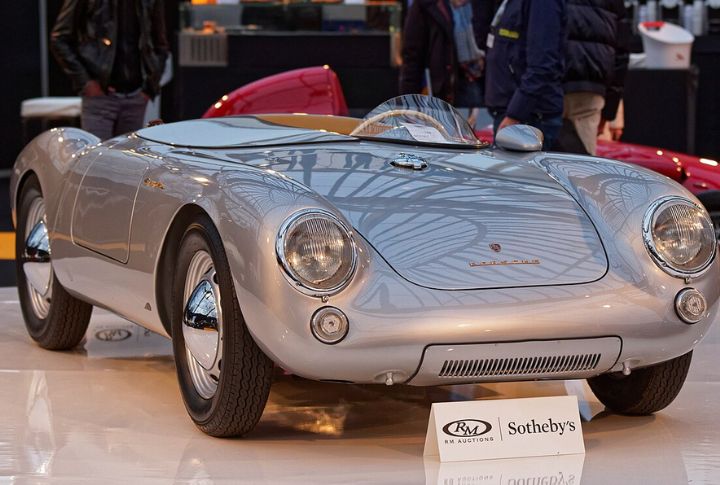
Purpose-built for the track, the 550 Spyder kept weight down and grip up. Its mid-engine layout gave it balance, while the flat-four made a raw, mechanical sound that racers lived for. James Dean made it infamous, but serious drivers already knew—it was a scalpel among sledgehammers.
1959 Austin Mini
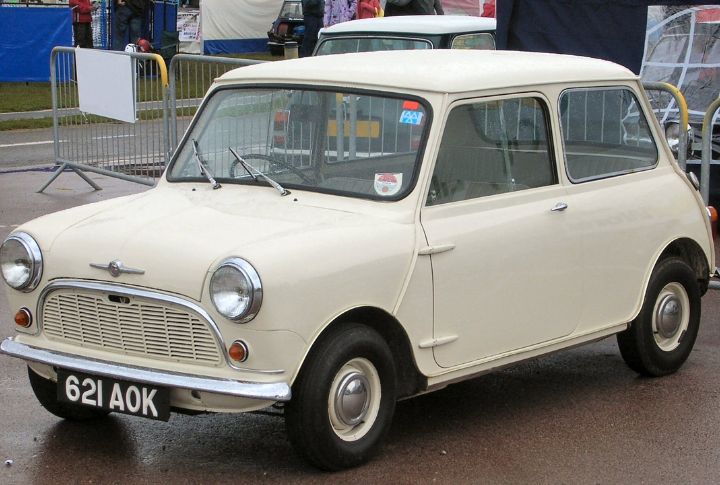
It looked like a toy but drove like a charm. Alec Issigonis’s sideways engine layout changed everything, cramming four people and real handling into something the size of a suitcase. The Mini wasn’t cute for cute’s sake—it was clever, nimble, and absolutely revolutionary.
1955 Mercedes-Benz 300SL
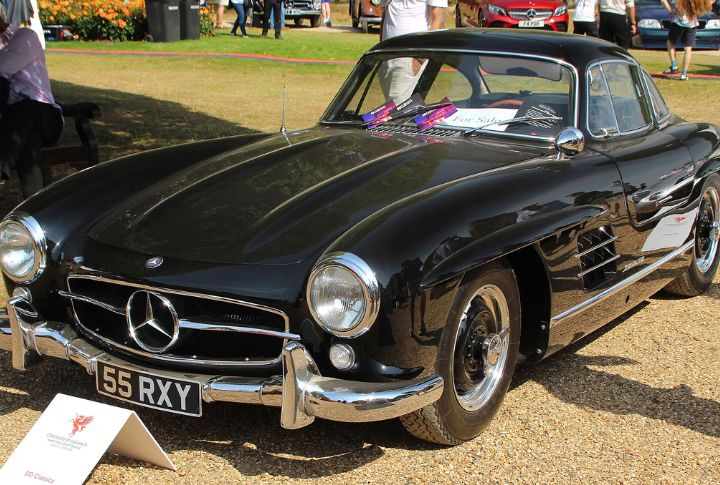
The gullwing doors weren’t a gimmick. They were a necessity, born from a race-bred tubular frame. But it was the direct fuel injection and 160 mph top speed that made the 300SL a true marvel. Elegant and advanced, it was the kind of innovation that even today’s engineers envy.
1957 Chevrolet Corvette C1
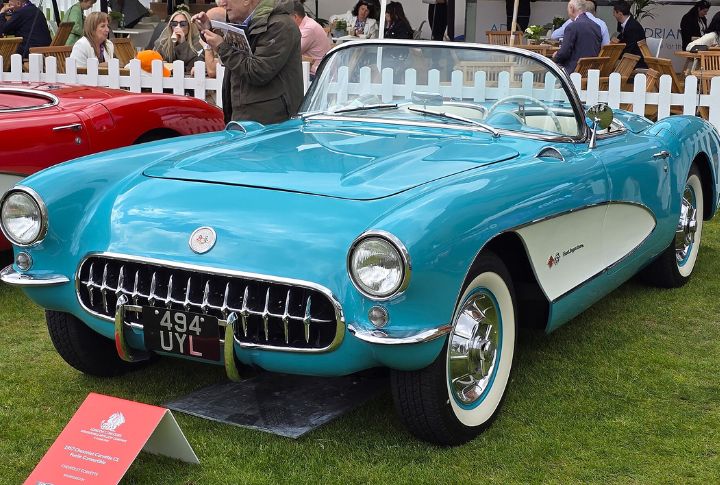
The Corvette had something to prove in 1957, and it succeeded. With the introduction of fuel injection, the 283 V8 hit a perfect 283 horsepower. That wasn’t just a number—it was a milestone. It marked Corvette’s shift from weekend cruiser to full-fledged sports car contender.
1951 Chrysler New Yorker
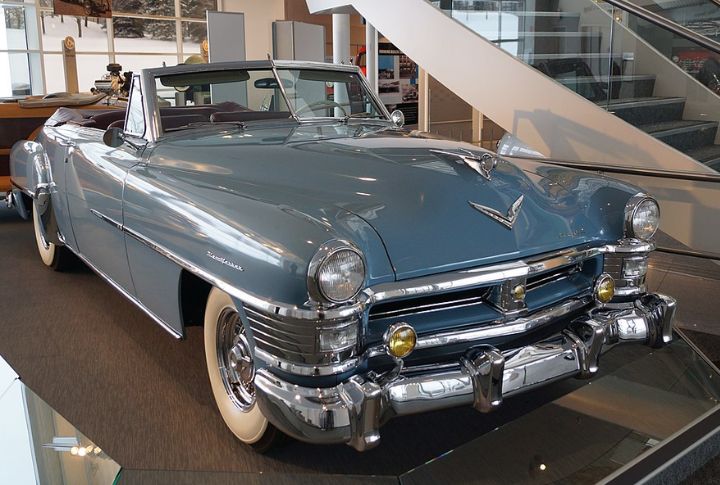
When Chrysler dropped the FirePower Hemi into the New Yorker, the family sedan gained muscle. The 331 cubic inch V8 gave it serious go, while the upscale interior kept things civilized. It was understated and fast—proof that Detroit could do grown-up speed before muscle cars had a name.
1955 BMW Isetta
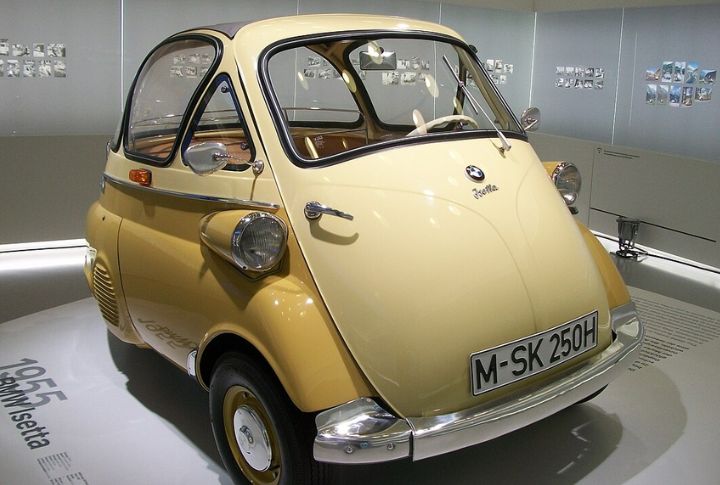
This oddball hatchling of postwar Europe was weird in all the right ways. With a single-cylinder engine and front-hinged door, the Isetta wasn’t about speed—it was about necessity. Cheap, cheerful, and borderline absurd, it helped BMW survive and became an icon of microcar ingenuity.
1955 Citroen DS
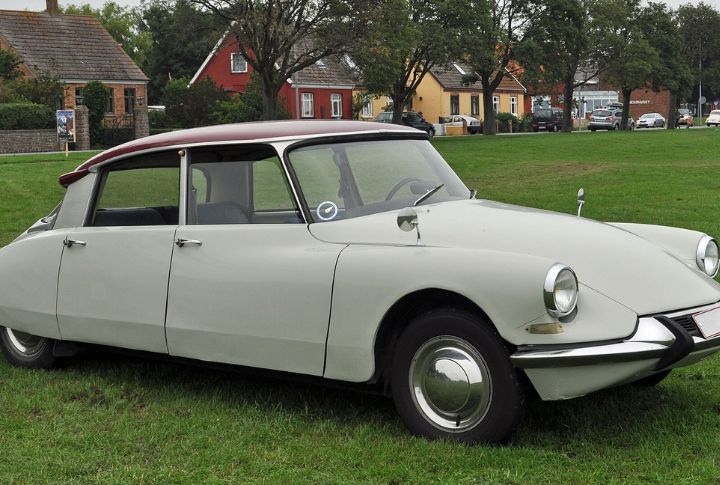
It landed like a spaceship at the 1955 Paris Motor Show. The DS floated on its hydropneumatic suspension, absorbing bumps like magic. It steered and handled unlike anything else on the road. More than a car, it was France showing off its engineering swagger with effortless cool.
1956 BMW 507
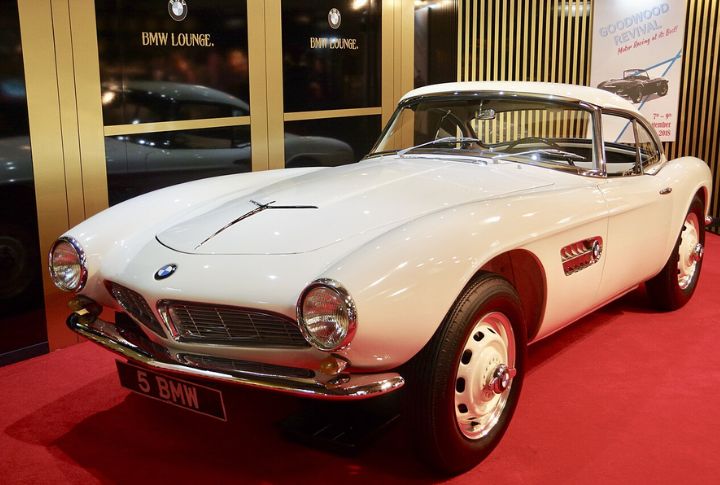
Elvis owned one, but the 507 wasn’t built for fame. It was BMW’s moonshot: a low-slung, impossibly elegant roadster powered by a 3.2-liter V8. Sales were a flop, but its beauty outlived its production. Today, it stands as one of the most collectible cars BMW ever built.
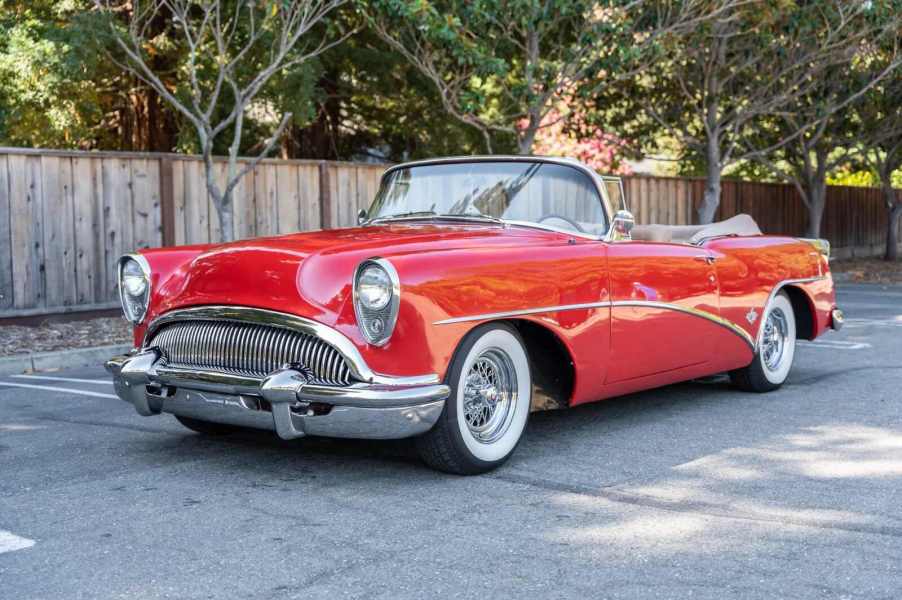
1954 Buick Skylark
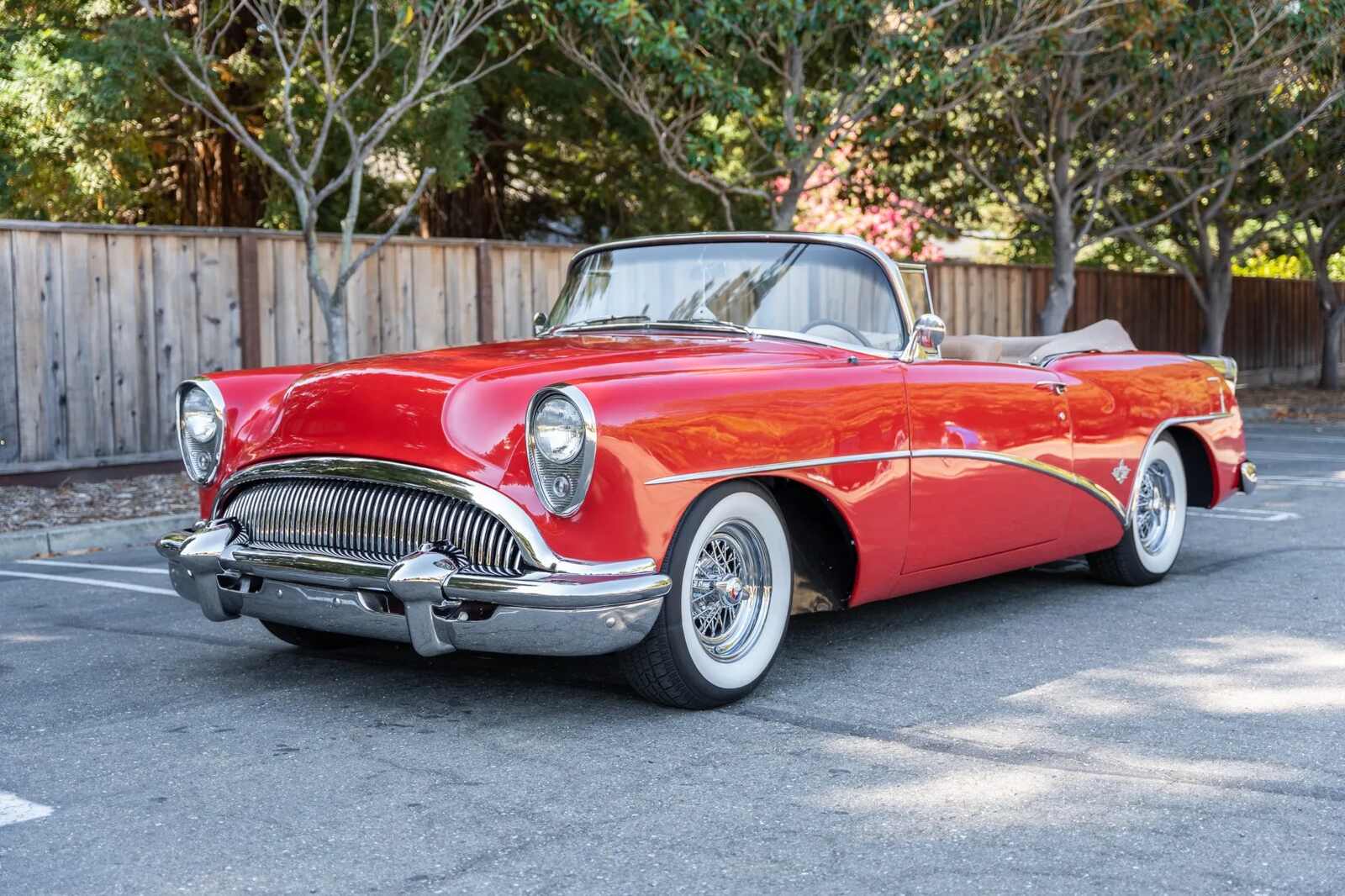
With bold rear wheel cutouts, sweeping lines, and a 200-hp V8, the 1954 Buick Skylark was built to be seen. It marked the end of a short-lived luxury experiment, priced higher than a Cadillac and limited to just 836 cars. It was rare then, and even rarer now.
1958 Autobianchi Bianchina
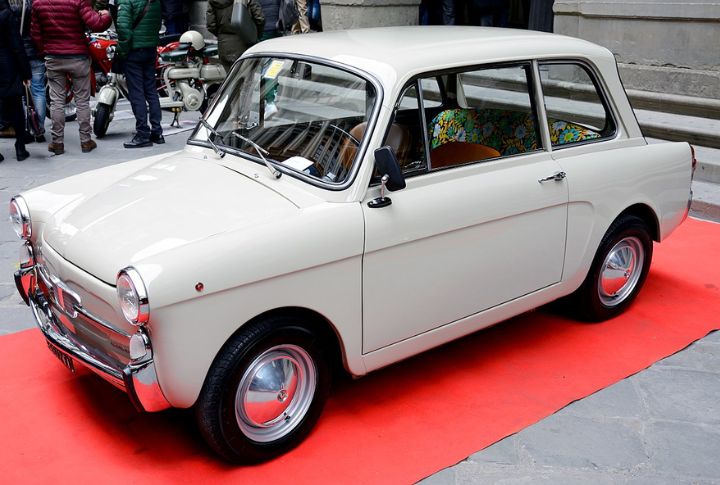
Compact and more stylish than it had any right to be, the Bianchina was a boutique take on the Fiat 500. Built for city living, it packed a 479cc engine with enough personality to make traffic jams tolerable. It didn’t need to be fast—it needed to be seen.
1958 Fiat 8V Supersonic
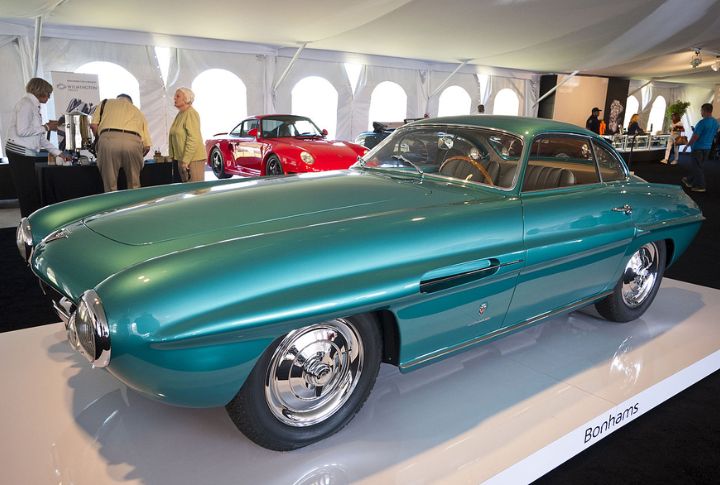
Built for the jet age, the Supersonic looked more spacecraft than car. Ghia’s aluminum bodywork hugged the Fiat 8V chassis like a tailored suit, and the V8 beneath gave it real bite. Rare, expensive, and undeniably theatrical, it was Italy leaning hard into the future—and loving every curve.
1953 Lotus Mark VI
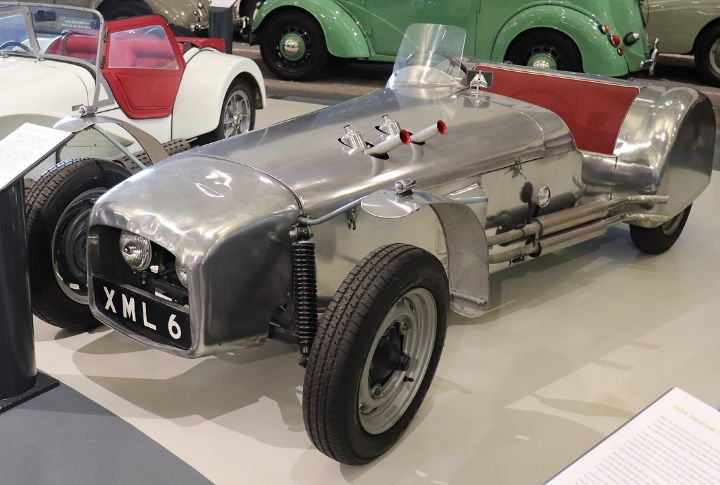
This was Chapman before Chapman was a household name. The Mark VI was sold as a kit. It was light as a feather and sharp as a tack. With a tubular frame and engines sourced by the buyer, it wasn’t a car for posers. It was for purists chasing purity on a shoestring budget.
1953 Maserati A6GCS/53 Spyder
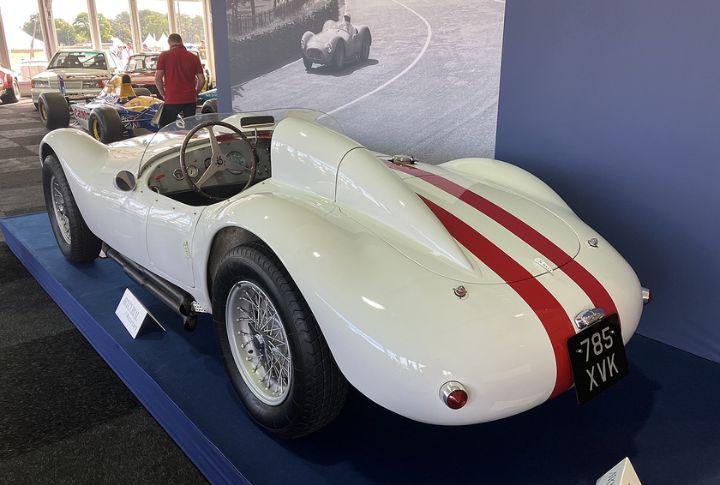
The Maserati A6GCS was the marque’s return to racing after a hiatus. Designed by Gioachino Colombo and given a stunning body by Fantuzzi, the car featured a 2.0-liter straight-six engine that could rev past 7,000 rpm. Built with the Mille Miglia in mind, this car was all about precision timing and mechanical brilliance.
1954 Fiat Turbina
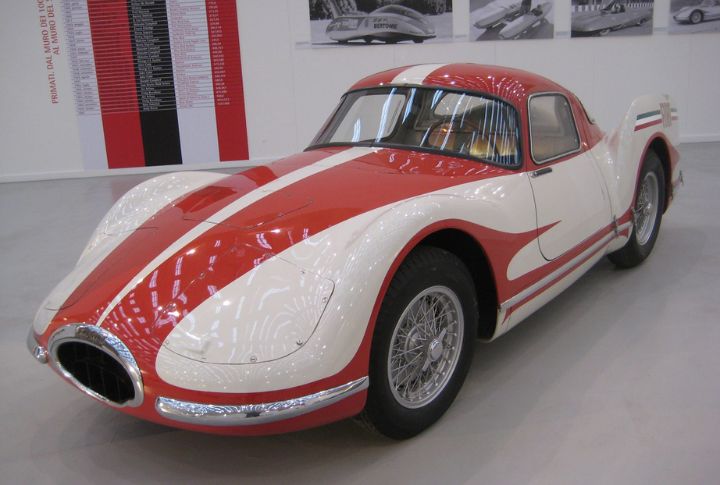
This car didn’t roar—it whined like a jet engine. The Turbina was Fiat’s wild experiment with gas turbines, wrapped in fins and optimism. It didn’t work, not really, but it didn’t have to. It was proof that even the practical minds at Fiat had a flair for the fantastical.
1953 Packard Caribbean
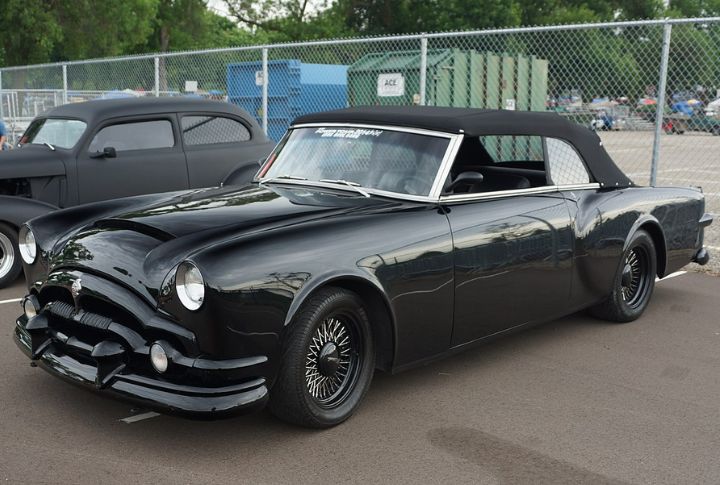
Packard went full glam with the Caribbean. Styled by legendary coachbuilder Mitchell-Bentley, it flaunted full wheel cutouts, wire wheels, and a continental kit. Beneath the flash was a 327-cubic-inch inline-eight delivering refined power. It wasn’t just a convertible—it was a rolling declaration that American luxury still had presence and poise.