The 15 Most Compact Single-Cylinder Engines
The motorcycle world is often driven by massive bikes and high-performance engines. Still, single-cylinder engines, though small in size, have managed to carve a niche for themselves. These 15 compact powerhouses offer simplicity, reliability, and surprising efficiency within their limited displacement.
Honda Monkey Z50 (49cc)
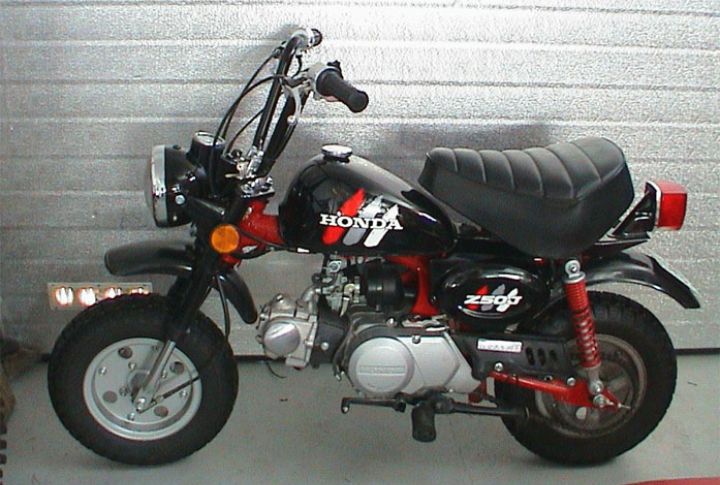
The Honda Monkey Z50, introduced in 1967, features a 49cc air-cooled, four-stroke single-cylinder engine. Initially launched as a children’s amusement park bike, the Z50 gained immense popularity due to its lightweight engine that produces approximately 3.4 PS at 8,500 rpm and 0.35 kgf·m.
Suzuki JR50 (49cc)
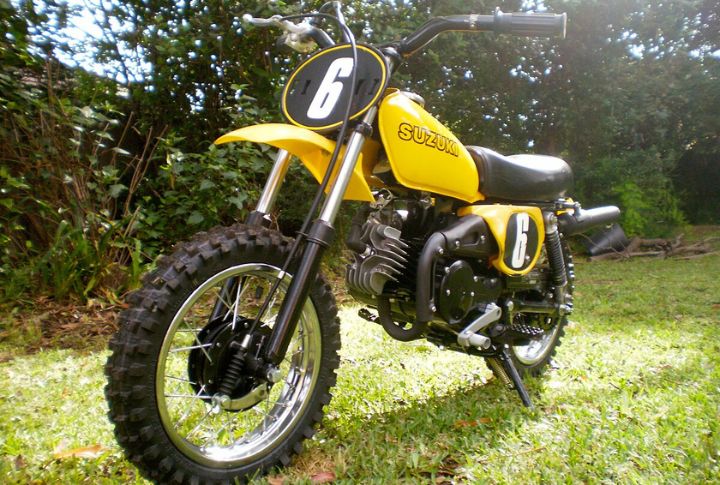
This 49cc, two-stroke engine powering the JR50 was designed specifically for beginner riders. As a lightweight bike, it offers a manageable power output, sufficient for young riders learning motorcycling basics. The engine’s design includes a reed valve configuration and is air-cooled, with a manual transmission and 5.6:1 compression ratio.
Yamaha PW50 (49cc)
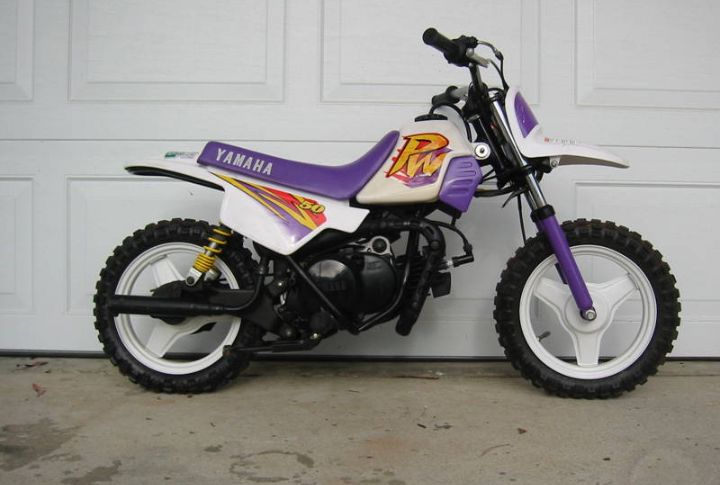
Yamaha’s PW50 is a well-regarded entry-level motorcycle with a 49cc air-cooled, two-stroke engine. This engine produces approximately 2.5 to 2.7 bhp at 2700 rpm and is paired with a fully automatic transmission. Additional features include an adjustable throttle limiter and a low-maintenance enclosed shaft drive system.
Peugeot Ludix (50cc)

As a notable 50cc scooter, it features a two-stroke engine designed for urban commuting. After its launch, it became popular in European cities due to its compact size, lightweight design, and impressive fuel efficiency. The engine produces about 3.90 horsepower, enough for short-distance travel.
Piaggio Ciao (50cc)
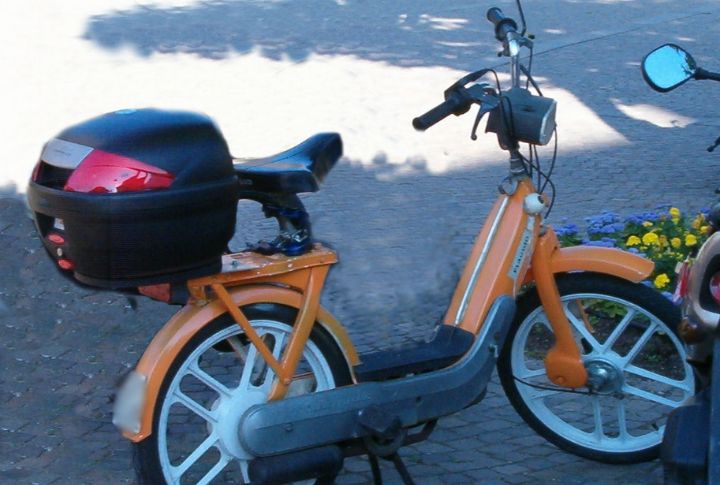
Featuring a 49.28cc single-cylinder, two-stroke engine, the Piaggio Ciao helped shape Italy’s moped culture. A lightweight engine, producing 1.41 horsepower at 4,500 RPM, is air-cooled and utilizes a simple belt-driven transmission system. Its design facilitated low operating costs, which made it a popular choice for urban commuting.
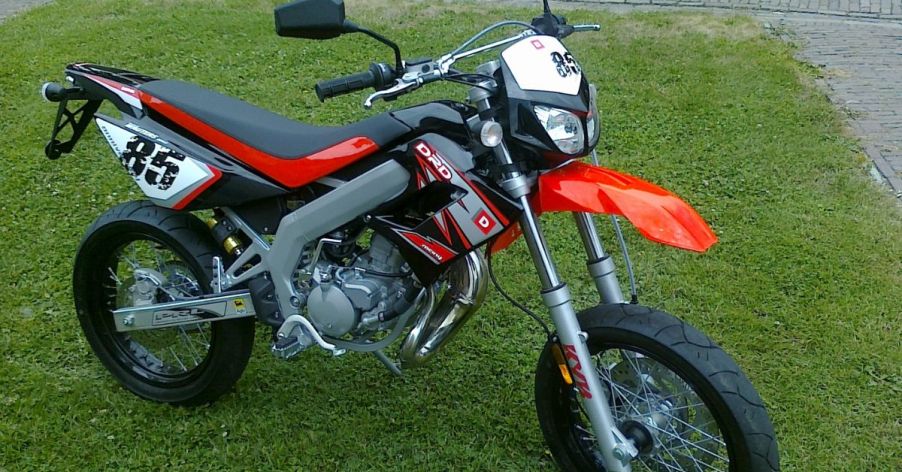
Derbi Senda DRD 50 (50cc)
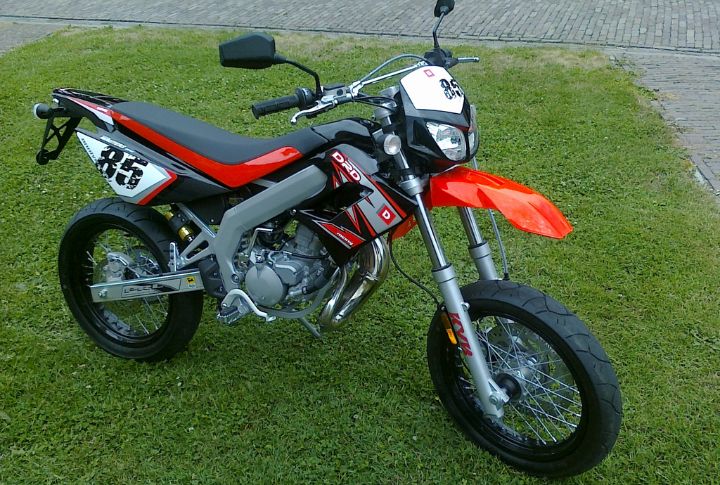
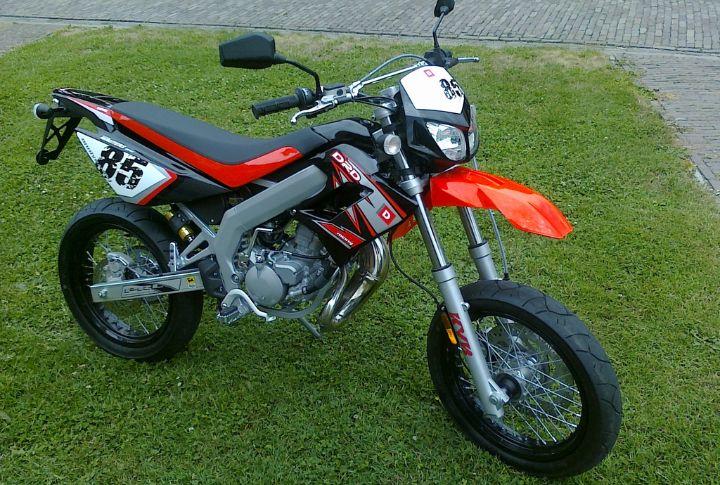
Notable for its agility, the Derbi Senda DRD 50 has a 50cc, liquid-cooled engine. It is part of the Senda series and has been in production since 1995. The two-stroke engine has a compression ratio of 11.5:1 and can reach 34 mph.
Tomos Sprint (49cc)

Tomos Sprint’s A35 model is powered by a 49cc, air-cooled, two-stroke engine with a bore and stroke of 38mm x 43mm and a compression ratio of 9.1:1. This powerhouse is equipped with an automatic two-speed transmission and utilizes a Dellorto SHA 14/12 carburetor.
Aprilia RS4 50 (50cc)
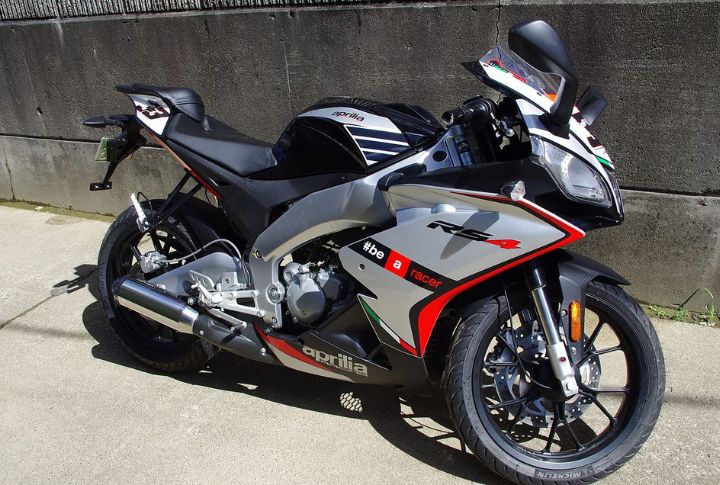
The Aprilia RS4 50 launched in the early 2010s, featuring a high-revving engine. Capable of 2.7 horsepower, the engine was coupled to a lightweight frame and a six-speed gearbox. It was also a 49.9cc, liquid-cooled, two-stroke engine representing the sporty essence of the Aprilia lineup.
Puch Maxi (50cc)
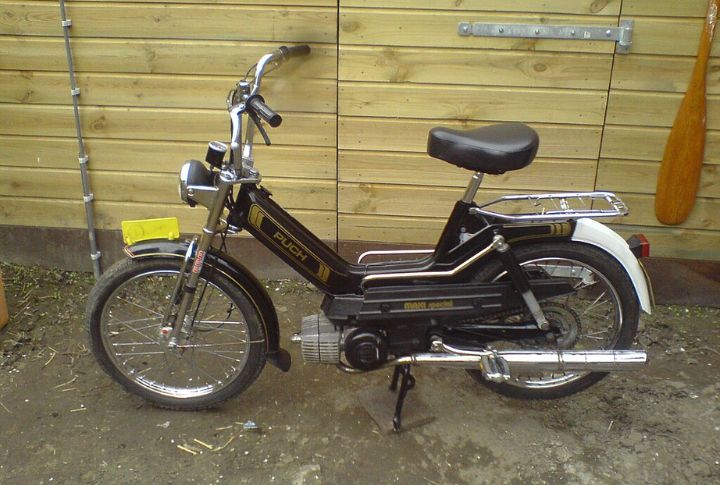
Though the Puch Maxi was first designed as a moped, its impressive fuel efficiency endeared it to bikers affected by the fuel crisis of the 1970s. The engine is available in various horsepower ratings—1.0, 1.5, and 2 HP—allowing for maximum speeds of 20 mph, 25 mph, and 30 mph, respectively.
Kreidler Florett (50cc)
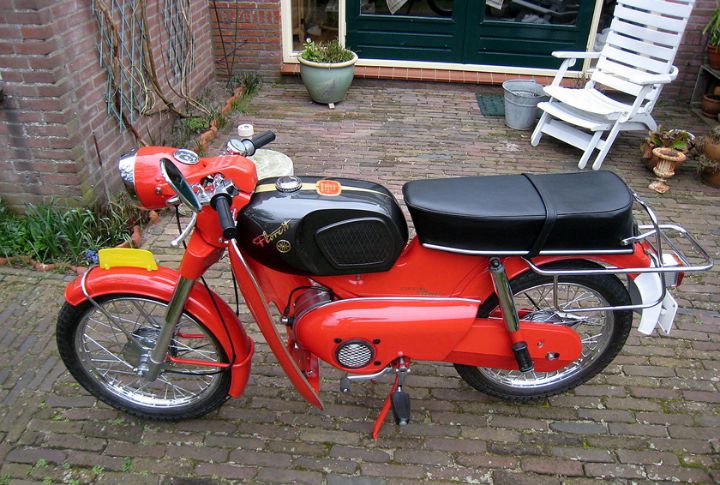
The Florett, particularly the K54 model introduced in 1957, is powered by a horizontally mounted single-cylinder two-stroke engine known for its fan cooling system. Initially delivering around 2.2 horsepower, later variants have upgraded to 6.8 horsepower, catering to both moped and mokick classifications.
Rieju MRT 50 (50cc)
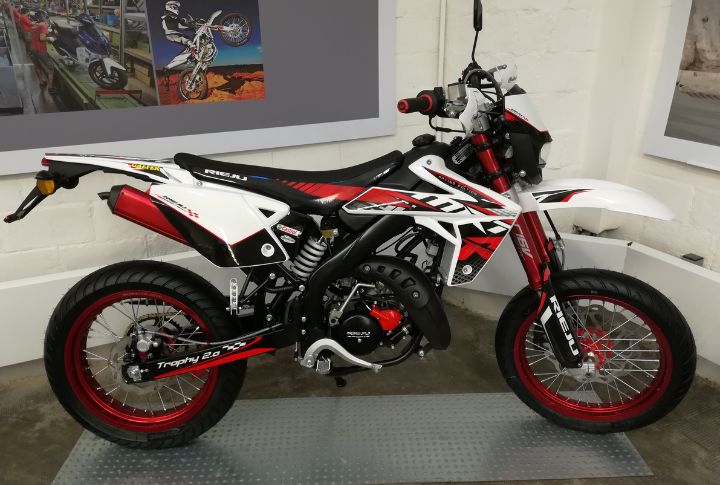
Another single-cylinder engine can be found on the Rieju MRT 50. As a 3.5-horsepower 50cc powerhouse, this engine connects to six-speed manual gearbox, and its specifications include a bore and stroke of 40.3 mm x 39 mm. The top speed is restricted to 28 mph, or up to 45 mph.
Honda C50 Super Cub (49cc)
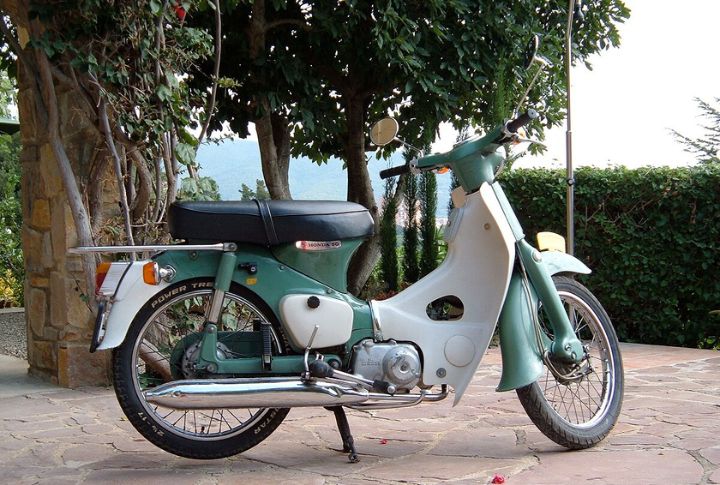
Honda’s C50 Super Cub’s engine is a 49cc air-cooled, four-stroke powerhouse. It is one of the best-selling motorcycles globally. Specifications include a bore and stroke of 40 mm × 39 mm, a compression ratio 8.5:1, and 4.5 horsepower at 9,500 rpm.
Kymco Super 9 (50cc)

Within the 50cc category, the Kymco Super 9’s engine is the most notable. A liquid-cooled powerhouse, this can achieve speeds of approximately 45 to 50 mph in stock form. The Super 9 has become popular due to its good acceleration and fuel efficiency, reportedly reaching up to 70 mpg.
Beta RR 50 (50cc)
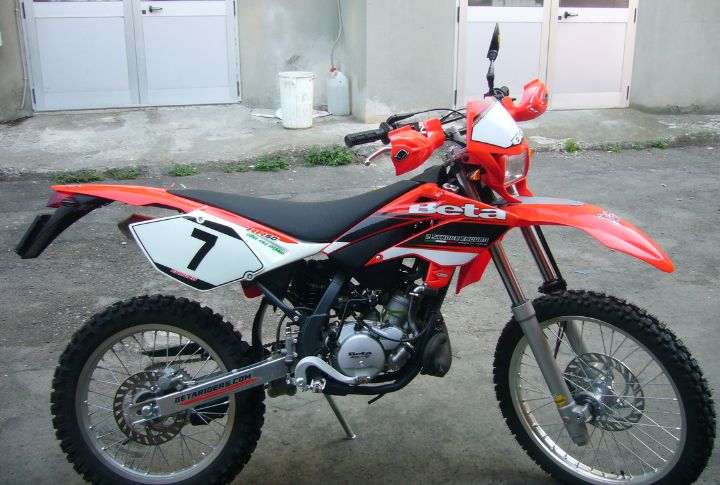
The Beta RR 50’s engine is praised for its tuning potential. Its powerful 49.7 cc two-stroke engine merges with a 6-speed gearbox and can sprint to 43 mph while maintaining excellent fuel efficiency. Notably, the engine features an advanced liquid cooling system and a reliable carburetor from Dell’Orto.
Cagiva Mito 50 (50cc)

This engine’s architecture is derived from the larger Mito models. The two-stroke design contributes to a distinctive sound and a lightweight feel. As a 49.9 cc engine, it is designed for spirited performance in a lightweight package. It also features a liquid-cooled system that ensures optimal temperature management.