Even the Tesla Model 3’s resale value is 10% lower than the industry average
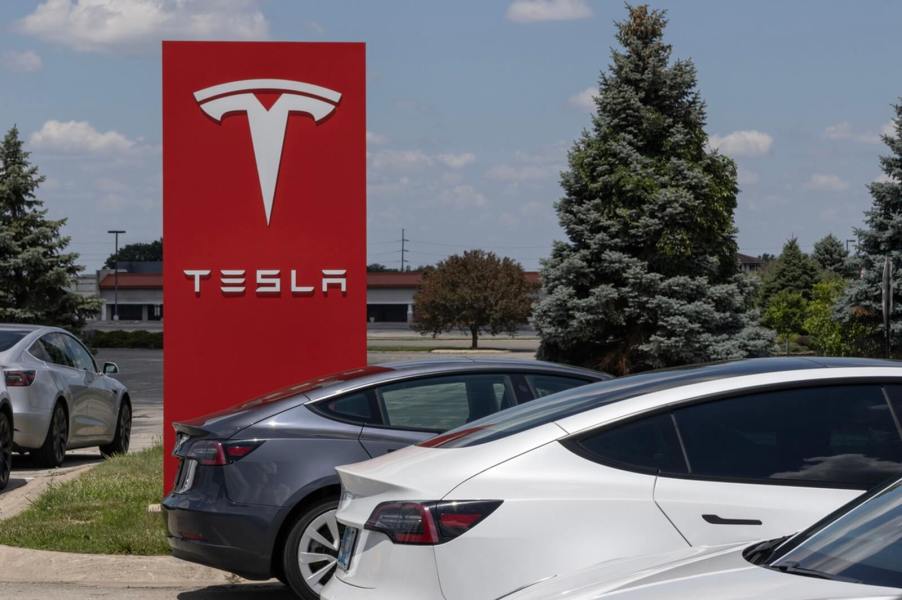
If you think you’re not going to lose some resale value when you drive a new car off the lot, you’re wrong. Even the vehicles with the lowest depreciation rates shed around 20% of their MSRP in the first five years of ownership. Tesla isn’t immune to the loss of resale value, and the Model 3’s five-year depreciation rate is indicative of a segment problem beyond the wounded automaker.
Not even the Tesla Model 3 has resale value on par with the industry average, highlighting a tough depreciation rate for EVs
On average, a Tesla Model 3 will lose 55.9% of its resale value in the first five years of ownership. That’s around $23,771 of the MSRP that new vehicle buyers will never see again. That’s more than 10% over the industry average. Not great. But for the segment, the Model 3 has bragging rights. It’s the EV with the lowest average depreciation.
According to iSeeCars Executive Analyst Karl Brauer, “Depreciation remains the most expensive aspect of buying a new vehicle, and the variation between vehicle types and specific models is something consumers should consider when researching their next purchase. The difference between buying a hybrid versus an electric vehicle could be tens of thousands of dollars in lost value.”
Consequently, the Tesla Model 3 simply couldn’t keep pace with the overall industry average for resale value after five years of ownership. “Even Tesla’s Model 3, with the lowest rate of depreciation among electric vehicles, is over 10% higher than the industry average, and it only gets worse from there for EVs,” said Brauer.
| Make and model | 5-year depreciation rate | Average difference from MSRP |
|---|---|---|
| Tesla Model 3 | 55.9% | $23,771 |
| Hyundai Kona Electric | 58.0% | $19,062 |
| Kia Niro EV | 59.2% | $23,439 |
| Porsche Taycan | 60.1% | $59,691 |
| Tesla Model Y | 60.4% | $36,225 |
| Industry average | 45.6% | $17,395 |
Add a hybrid platform, though, and average resale values play a very different tune. The average depreciation rate for a hybrid is 40.7% in five years, lower than the industry average and much lower than the EV-segment average of 58.8%.
“Proving that not all alternative fuel vehicles lose money, hybrids sit at the opposite end of the residual value spectrum compared to electric vehicles,” Brauer said. It’s indicative of the fact that, while Americans want better fuel economy, they don’t want battery electric vehicles as much as they demand hybrids.