A retired cop with 1,500 drunk driving arrests shares what happens to repeat offenders
Driving under the influence (DUI) is a danger for every motorist. After all, even an ounce of alcohol can slow down a driver’s reaction time and lead to disaster. Understandably, then, law enforcement takes the crime of drunk driving seriously. And repercussions get worse for repeat offenders.
A retired cop shared their experience with drunk driving arrests and the consequences of repeat DUI convictions
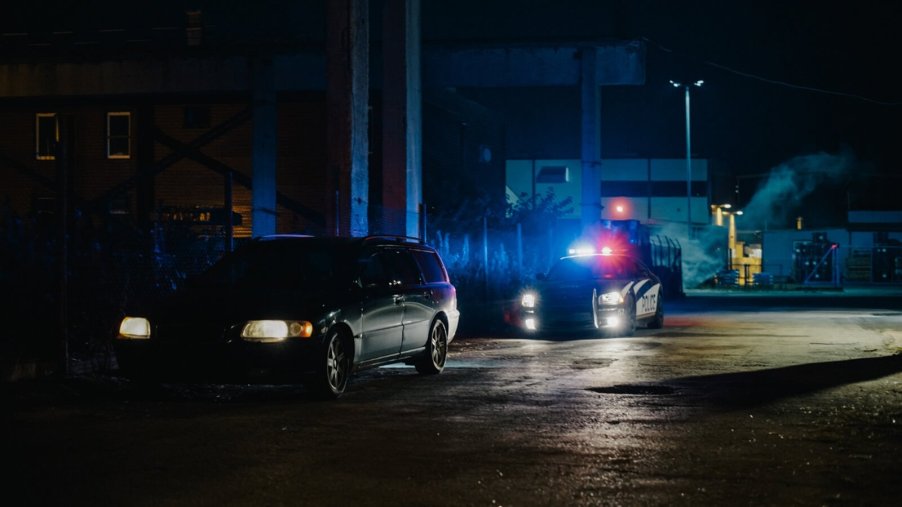
A DUI arrest follows something of a formula. A police officer will pull over a driver for one reason or another. It could be under the suspicion of inebriation. Or it could be an inoperable taillight. Either way, if the officer suspects drunk driving, they may administer a standard field sobriety test (SFST) and a breathalyzer. Should the driver fail one or both of these, an officer may arrest the person with a DUI. It happens every day nationwide, and sometimes to repeat offenders.
So, how do repeat drunk driving offenses work? Well, a retired cop shared his experiences on Quora to address the question, “How many DUIs can you get before you can’t drive forever?” Tim Dees, the retired police officer, claims that he’s carried out over 1,500 DUI arrests in his career as a cop and a drug recognition evaluator (DRE). Dees says consequences compound based on repeat offenses.
“A second DUI conviction within seven years causes a one-year license revocation,” Dees said of Nevada’s drunk driving laws. “A third conviction for DUI within seven years merits a three-year revocation, but that’s not the issue most offenders are worried about. The third conviction sends you to prison for one to six years.”
He added that a driver’s conduct at the time of the arrest may also impact the consequences. “A refusal to submit to a breath or blood test revokes the license for a year and runs consecutively to any other revocation periods, says Dees. “A second refusal of a breath or blood test takes the license for three years.”
On top of fines, jail time, and community service, license revocation can land offenders in more trouble. A judge may grant a driver a “work permit” or “occupational license” to allow drunk driving offenders to get to and from work or school based on necessity. However, driving on a revoked license without a work permit can land you in hot water. According to Dees, a driver who ignores their revocation may be looking at “thirty days in jail, a $500 file, and another year of revocation.”