These Are the Ram 1500 Years to Avoid
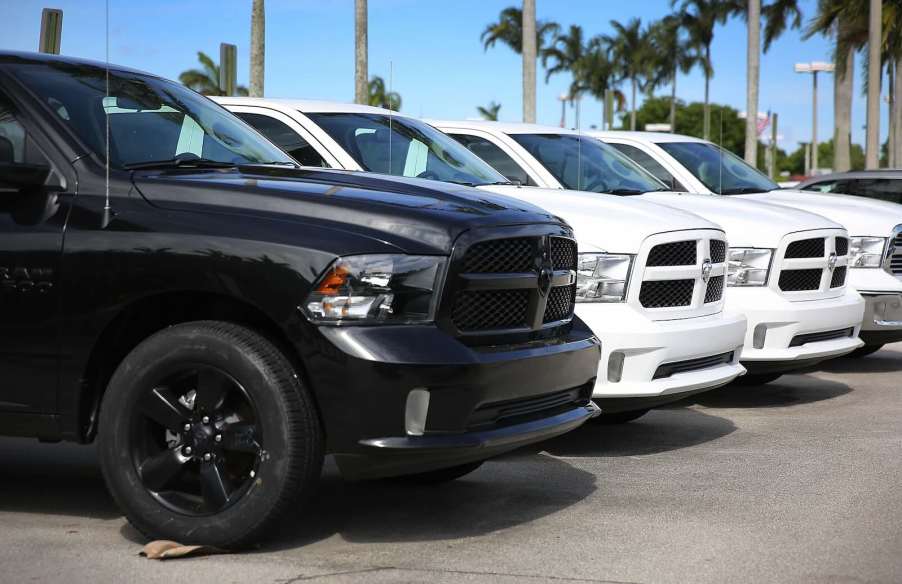
The Ram 1500 has been a top-selling American truck since its debut in 1981 under the Dodge name. Known for its robust performance, towing power, and rugged build, it’s spent decades as a modern contender in the pickup market. The truck transitioned from Dodge Ram to the standalone Ram brand in 2011, continuing its legacy of power and utility. However, not all Ram 1500 model years have been reliable. While many excel, others suffer from chronic issues, leaving owners frustrated and facing expensive repairs. Here are seven Ram 1500 years to avoid based on reliability data, owner complaints, and safety concerns.
Table of contents
2002 Ram 1500

The 2002 Ram 1500 marked the beginning of the third-generation design, bringing a more modern look and upgraded interiors. Unfortunately, the innovations were overshadowed by serious issues. Body and paint problems plagued this model, with owners reporting widespread rust, bubbling paint, and flaking clear coats. These issues made it difficult to maintain the truck’s resale value.
Mechanical issues further dampened owner satisfaction. Electrical system malfunctions were widespread, with power locks, dashboard lights, and other components failing prematurely. This model also faced engine-related problems, such as ticking noises and occasional stalls. For many owners, repairs proved costly, with fixes often exceeding the value of the truck. With over 2,000 complaints logged with the NHTSA and a low FIXD reliability score, this model is one to avoid.
2003 Ram 1500

The problems from 2002 persisted into the 2003 Ram 1500, but with some new challenges. Rust and structural issues remained a problem, but defective airbag systems emerged as a serious safety concern. More than 400 complaints about airbag failures were reported, which eventually led to recalls. Unfortunately, these recalls came too late for many owners, who had already experienced safety scares.
The truck’s engine reliability was also subpar. Misfires caused by failing intake valve springs were common and often resulted in engine stalling or failure. Owners frequently reported the check engine light activating, requiring repeated trips to the mechanic. Transmission issues, such as hard shifting and gear slipping, added to the frustration. While the 2003 model offered a strong towing capacity, these mechanical and safety failures overshadowed its capabilities, making it a risky choice.
2004 Ram 1500

The 2004 Ram 1500 was an improvement in some areas, but it still suffered from significant reliability concerns. One of the most dangerous issues was engine stalling while driving. This problem occurred without warning, creating a hazard for drivers and others on the road. While Dodge addressed the issue through recalls, many owners reported that the problem persisted even after repairs.
Electrical system malfunctions were another major headache. Failing gauges and power accessories were common, leaving drivers without vital information like speed or fuel levels. Transmission problems also carried over from previous years, including slipping gears and harsh shifting. Though the 2004 model brought some refinements to the interior and suspension, its mechanical issues and safety concerns overshadowed these benefits.
You can see more third-generation Ram 1500 problems for yourself in the video embedded below:
2010 Ram 1500

By 2010, the Ram 1500 had transitioned into a more modern, comfortable truck, but that didn’t save it from reliability woes. The engine was a major point of contention for owners. It lacked power, making it difficult for the truck to handle heavy towing or hauling tasks. Additionally, poor fuel economy compounded the frustration for drivers who needed efficiency in a workhorse truck.
Transmission issues were another sticking point. Many owners reported slipping gears, delayed shifts, and even complete transmission failure. Electrical problems also cropped up, including faulty wiring and malfunctioning sensors that affected everything from the engine’s performance to the truck’s lighting systems. While the 2010 Ram 1500 excelled in ride comfort and design, its poor performance and high repair costs made it a model to avoid.
2011 Ram 1500

The 2011 Ram 1500 brought some technological upgrades, but these changes introduced new problems. The TIPM (Totally Integrated Power Module) was a frequent source of headaches. This complex system controlled many electrical components, but its frequent failures led to engine stalling, power accessory malfunctions, and starting issues. For many owners, replacing the TIPM was both expensive and time-consuming.
Transmission issues persisted, with drivers reporting rough shifts and occasional gear loss. Some owners also experienced premature engine wear, leading to reduced performance and increased repair costs. These recurring problems overshadowed the 2011 model’s improvements, such as a more refined interior and better suspension, making it a less-than-ideal choice for buyers looking for reliability.
2013 Ram 1500

The 2013 Ram 1500 was initially praised for its updated design and improved fuel efficiency, but it soon gained a reputation for electrical system failures. Owners reported a variety of issues, including bad sensors, intermittent power loss, and draining batteries. These problems often required advanced diagnostics, which added to repair costs and frustration.
Transmission issues also plagued this model. Drivers frequently experienced delayed shifting, rough gear changes, and occasional transmission failure. These problems significantly impacted the truck’s performance and reliability. The 2013 Ram 1500 was also subject to 12 recalls, mainly due to electrical and mechanical issues. While the truck offered a comfortable ride and strong towing capacity, these reliability concerns made it a risky investment.
Check out more common fourth-generation Ram 1500 problems in the video embedded below:
2018 Ram 1500

Even newer models aren’t immune to problems, and the 2018 Ram 1500 is a prime example. While it featured a more modern design and advanced technology, it suffered from significant mechanical issues. Transmission problems were common, with owners reporting jerky shifting, sudden gear loss, and delayed engagement. These issues made driving unpredictable and raised safety concerns, particularly during towing or hauling.
Engine problems were also reported, including a ticking noise caused by faulty lifters. Left unaddressed, this issue could lead to more severe engine damage and costly repairs. Additionally, some owners experienced electrical glitches with infotainment systems and other electronic features. These problems tarnished the appeal of an otherwise capable truck, making the 2018 model a year to avoid for buyers seeking reliability.
The common thread among these problematic years includes design flaws, poor-quality materials, and recurring mechanical and electrical failures. Paint and structural issues in early models tarnished Dodge’s reputation, while newer years grappled with complex systems like TIPMs and transmissions that didn’t hold up under use. These failures often required costly repairs, leading to dissatisfaction among owners.
While we’re here, if you’re looking around for a good used Ram 1500, check out MotorBiscuit’s seamless car buying tool to explore your local inventory and find the best deal near you.
When shopping for a used Ram 1500, focus on years with high reliability ratings from sources like J.D. Power and lower complaint counts with the NHTSA. Avoid models with recurring issues or multiple recalls. Additionally, inspect the truck thoroughly for signs of rust, mechanical wear, or electrical problems. Prioritize models with a proven track record of durability and reliability. By steering clear of these seven years, you can find a Ram 1500 that lives up to its reputation for power and dependability.