Can New York congestion charge tolls improve the city and incentivize using public transit?
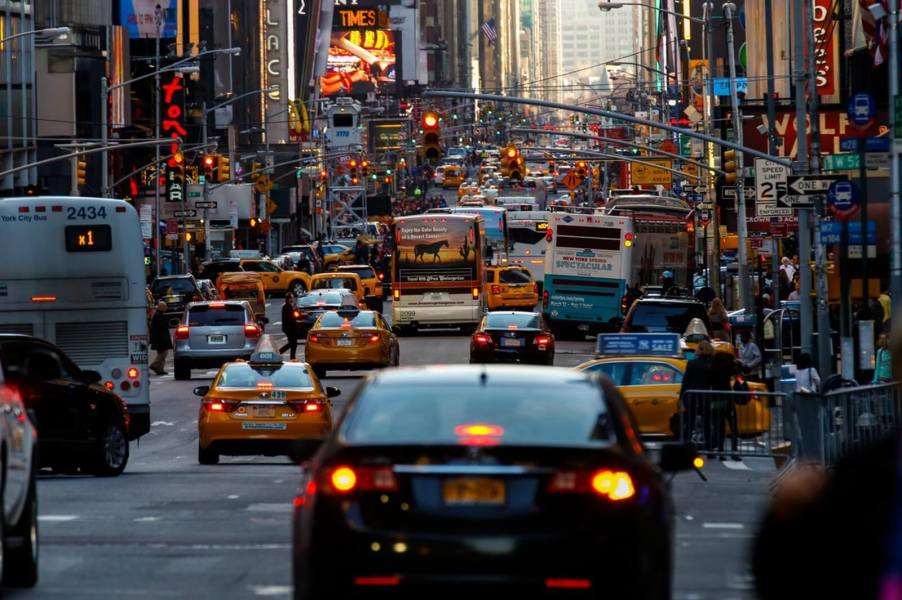
New York City joined the fraternity of crowded cities to employ a congestion charge structure this week. Despite the move’s vocal critics, authorities maintain that the Manhattan entry fees will make things better for NYC air quality, traffic, and public transit.
The New York congestion charge system is the first of its kind in the United States
As of January 5, 2025, motorists seeking to cruise the Big Apple will have to pay an entrance fee. New York City instituted a congestion charge program for city roads south of 60th Street. That means drivers will have to pay to enter the city right at the boundary of Central Park down to the southern tip of the island except for FDR Drive, the Hugh L. Carey Tunnel, and West Side Highway.
According to the MTA, fees vary based on the time of day and the type of vehicle. For instance, drivers seeking to take their sedans or SUVs into the city south of 60th Street will have to pay $9.00 from 5 a.m. to 9 p.m. on weekdays and 9 a.m. to 9 p.m. on weekends.
However, New York-bound drivers can expect to pay 75% less for overnight rates, bringing the fee down to $2.25, per the Metropolitan Transit Authority (MTA). Understandably, motorcycles are cheaper to operate in the “Congestion Relief Zone.”
| Vehicle type | Fee (peak hours) |
|---|---|
| Personal vehicles | $9.00 |
| Motorcycles | $4.50 |
| Trucks | $14.40 |
| Buses | $14.40 |
The New York congestion charges aim to reduce traffic in Manhattan. Authorities estimate that the move will reduce traffic volume in the Congestion Relief Zone by as much as 80,000 vehicles per day. Consequently, if it works as intended, the move will reduce emissions and make city driving more accessible for first responders. Moreover, revenue from the congestion charges is set to benefit future mass transit projects.
Of course, congestion charges aren’t unique to New York. I’ll wait while you do that tongue twister a few times. Far from unique, indeed. Many cities around the world employ some derivation of these access tolls to curb congestion and encourage commuters to seek alternative transportation like buses and light rail transit (LRT). London, for example, has employed a congestion charge system for over 20 years. As controversial as that move was, it was successful in reducing traffic and incentivizing mass transit for commuters.