10 Must-Know Details For Anyone Dreaming Of A Vespa
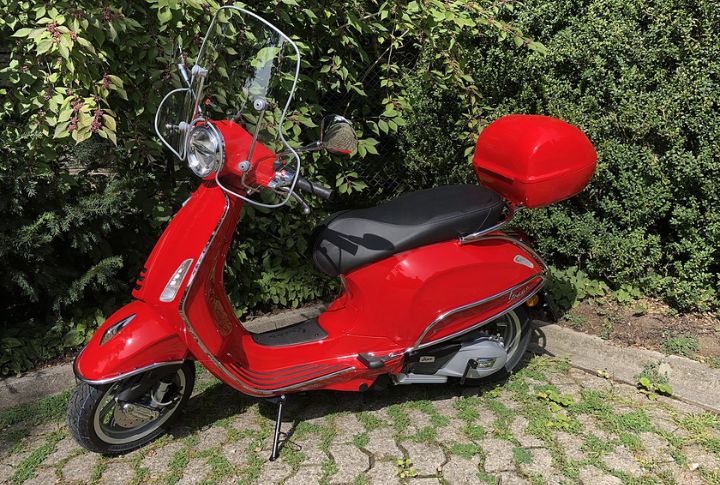
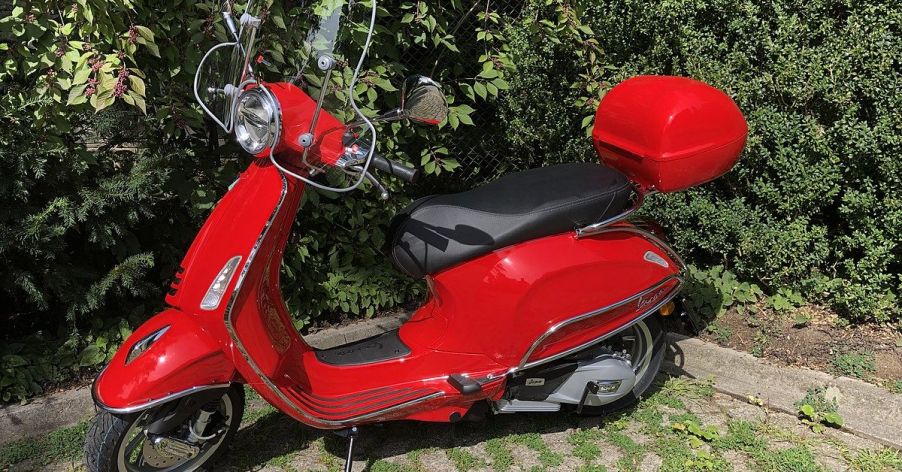
Vespas have rolled through everything—from cobbled European streets to movie scenes and morning commutes. They’re scooters, yes, but also icons. Known for their steel frame and smooth ride, they’ve charmed the world for decades. If you’re curious about owning one, take a closer look at what owning a Vespa truly means.
Vespas Are Built To Last
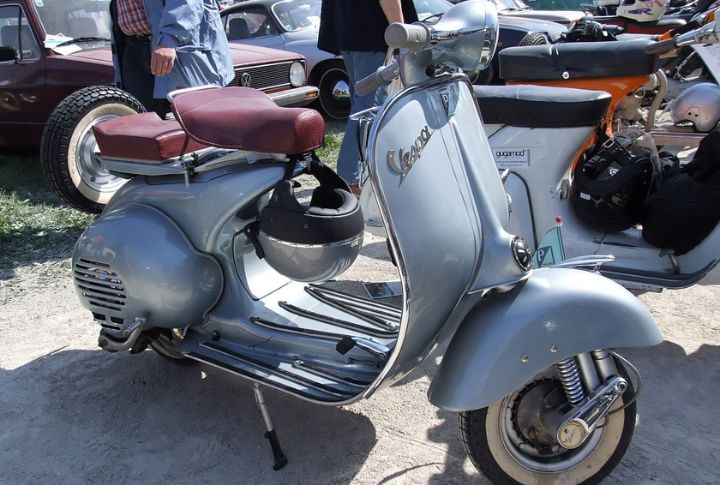
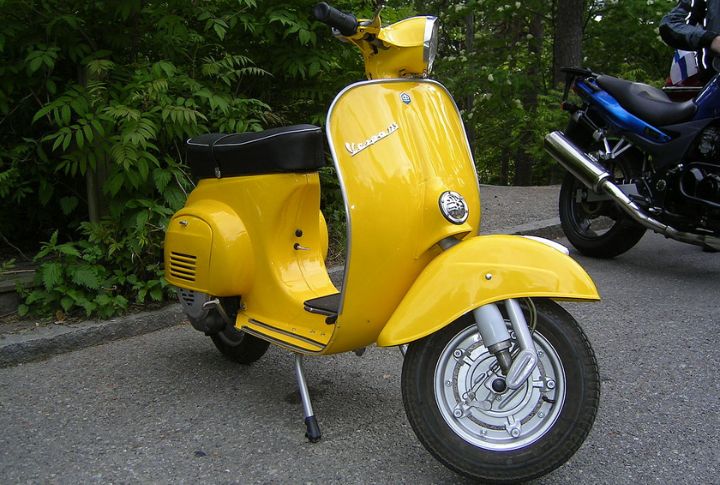
In Italy, spotting a 20-year-old Vespa in traffic isn’t unusual. That kind of durability starts with a pressed-steel monocoque frame, not plastic. This sturdy metal design resists wear from rain and sun. In fact, some models from the 1960s and 70s still ride smoothly with minor restoration.
The Price Might Surprise You
Newer Vespas, such as the Primavera 150, start at around $4,100 in 2025. Similar scooters often cost thousands less. However, Vespa parts and repair shops typically charge brand-level pricing. Over time, that upfront cost is softened by strong resale value and long-standing appeal, especially among riders who value reliability and prestige.
Fuel Costs Stay Low
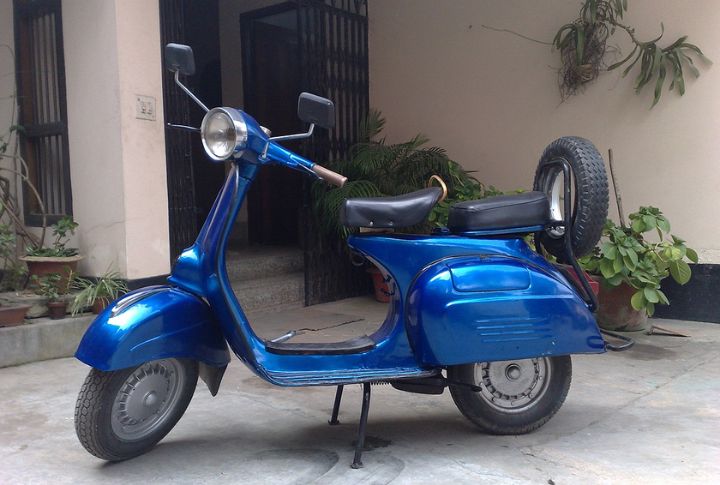
Though its fuel tank holds just 2.1 gallons, a Vespa covers more than 150 miles between refills. That adds up to around $20 per month for most city commuters. Meanwhile, models like the Sprint 150 meet strict Euro 5 emissions rules and return up to 95 miles per gallon.
You’ll Likely Need A Motorcycle License
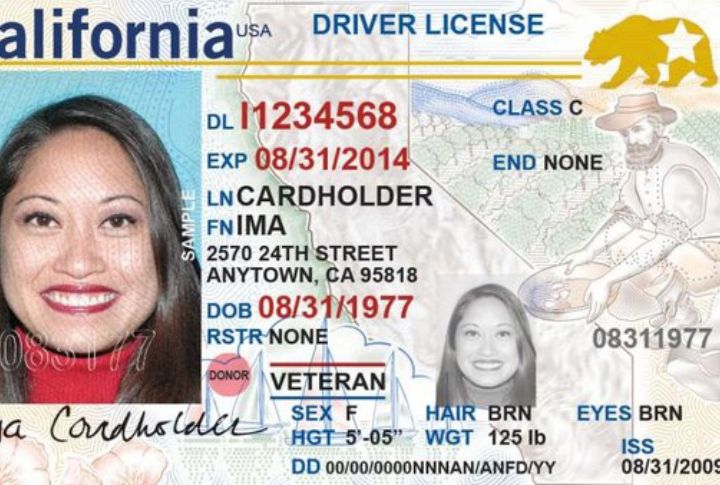
In many U.S. states, a Vespa over 50cc means you’ll need a motorcycle endorsement. California and Texas include even the 125cc versions. That’s why most owners take the Motorcycle Safety Foundation course. It helps with licensing tests and lowers insurance rates based on license class.
They’re Stylish And Timeless
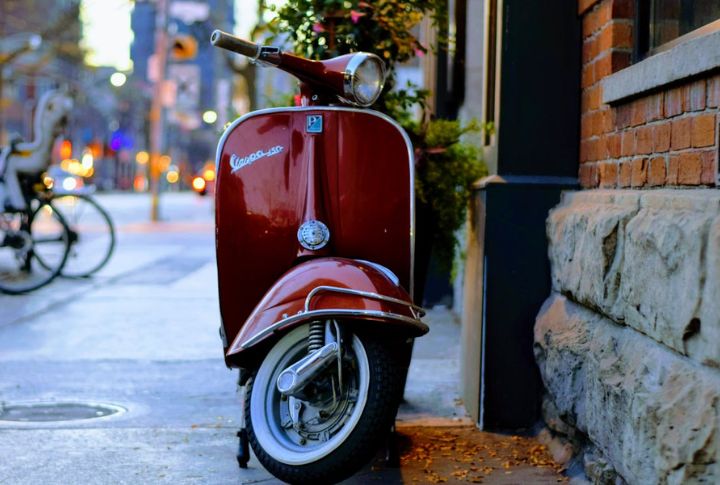
Vespas haven’t strayed far from their 1946 debut design. Today’s GTS and Primavera models still carry that signature curved look. They’ve appeared in over 200 films and earned awards like the Red Dot. In cities like Paris and Tokyo, Vespas remain a style icon on two wheels.
Storage Is Smaller Than You Think
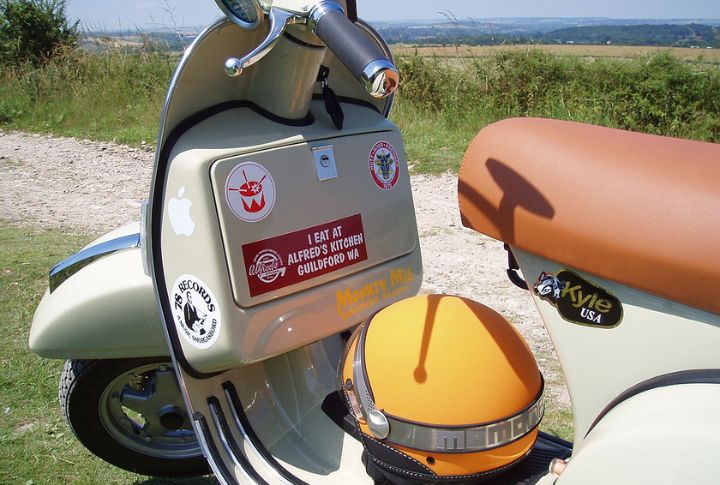
Top cases and rear racks are available if you need more storage space, although they come at an extra cost and alter the bike’s balance. Some owners add foldable baskets or install side panniers. The glove box fits papers and gloves. Under-seat space? Just enough for a small bag.
Resale Value Stays Strong
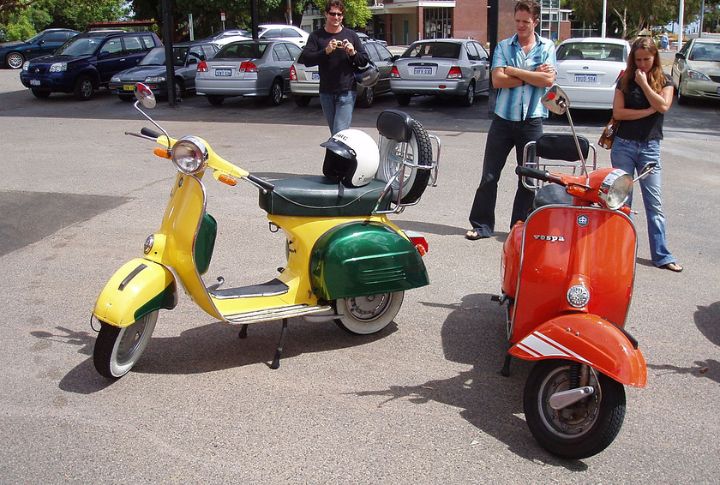
As warmer months arrive, scooter demand increases rapidly, which makes spring and summer the ideal time for resale. GTS and Sprint listings on sites like Cycle Trader stay competitive. Condition plays a big role, and a well-maintained Vespa typically keeps 60–70% of its original value.
Theft Risk Is Real
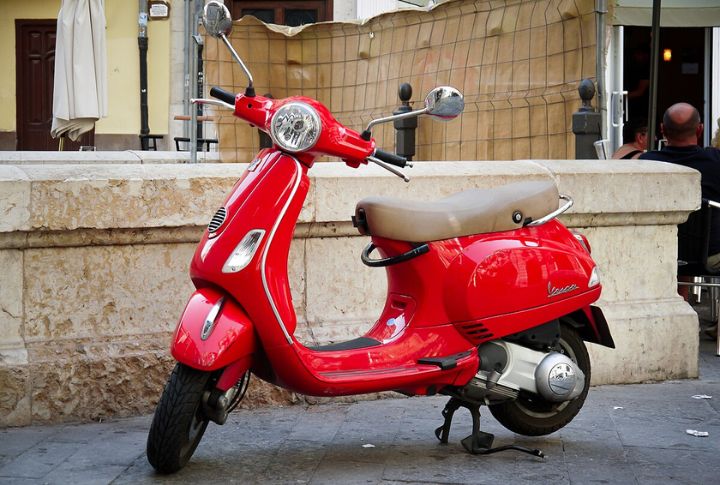
Many thefts happen when scooters are left unsecured. Thieves target bikes without disc locks or immobilizers by lifting them into vans. Riders can fight back by using GPS tags or covering the Vespa logo. Parking in crowded transit areas increases the risk, especially in NYC or London.
Riding One Just Feels Good
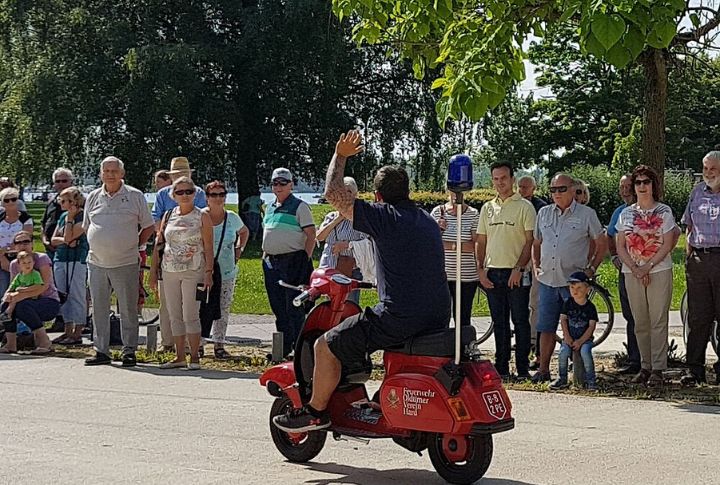
Riders often stay loyal to Vespa because they fit naturally into daily life. The upright seat and wide handlebars make long rides easier. Smooth throttle response and automatic shifting further enhance the driving experience. Plus, 12-inch wheels bring better stability on cobblestones and uneven streets.
Weather Can Ruin The Ride
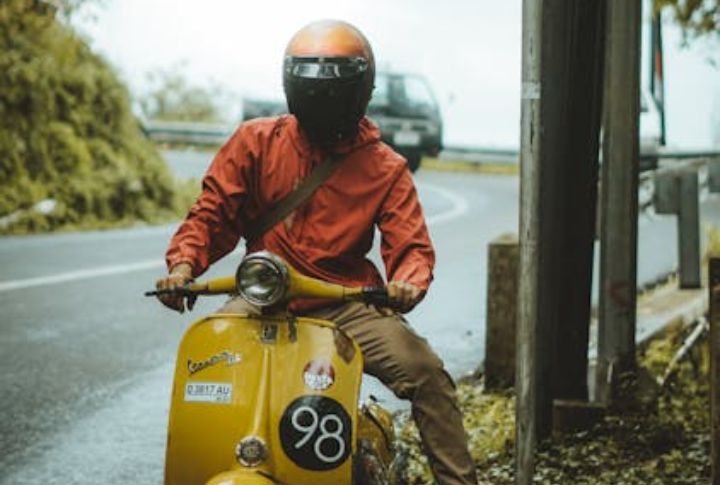
Cold weather makes riding a Vespa a real challenge. Without built-in shields or heated grips, riders are fully exposed to rain and wind. That’s why many owners invest in thermal seat covers or wind deflectors, with the hope of stretching their riding season through the harsher months.