15 Motorcycle Safety Tips to Enhance Your Riding Experience
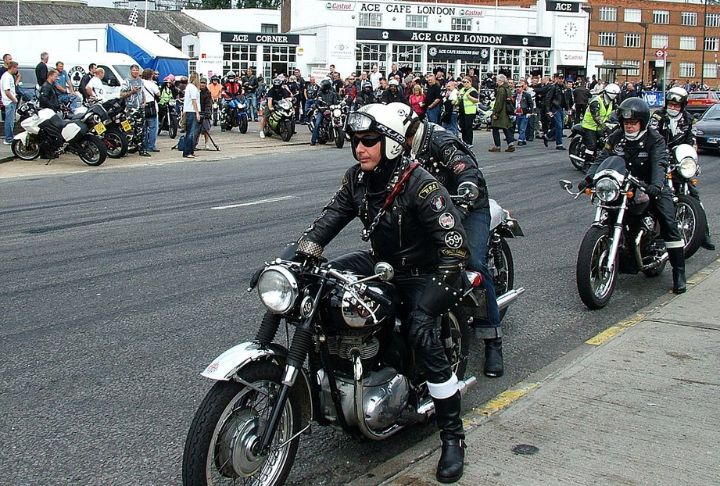
Riding a motorcycle offers an exhilarating sense of freedom but also demands a heightened level of caution. Adhering to essential safety tips can significantly enhance your riding experience, ensuring enjoyment and security on the road. Here are 15 critical motorcycle safety tips to raise your riding skills to the next level.
Wear Proper Gear
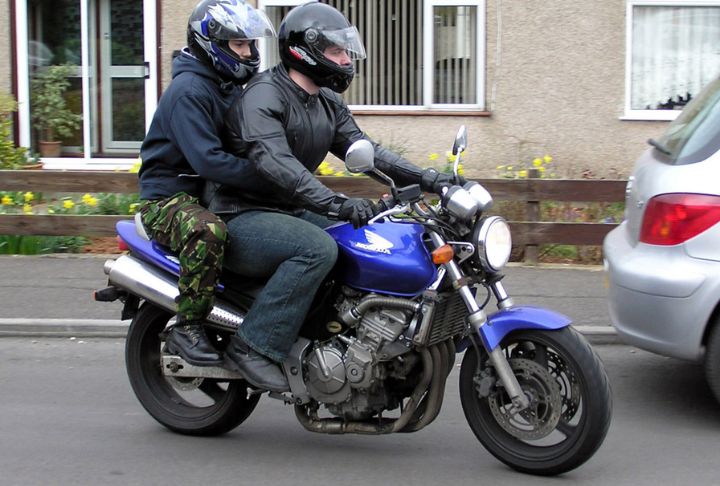
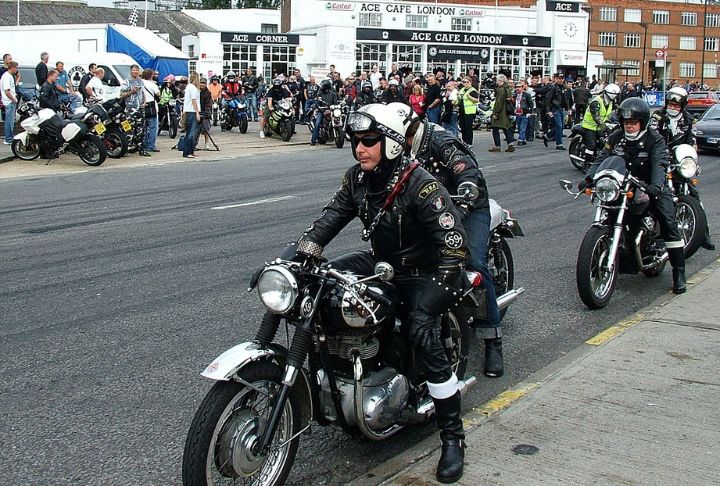
Donning the right gear is non-negotiable. A sturdy helmet, reinforced gloves, a durable jacket, and protective boots are essential. These items shield you from severe injuries in the event of an accident. Invest in gear with high-visibility colors and reflective elements to ensure other motorists see you. The right equipment can make a substantial difference in your safety.
Inspect Your Motorcycle Regularly
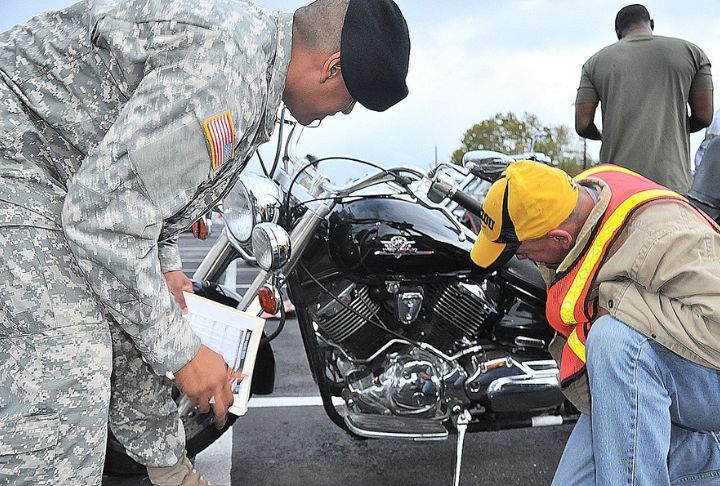
Routine inspections are crucial for maintaining your bike’s performance. Before every ride, check tire pressure, oil levels, and brake functionality. Ensure all lights and signals are operational. Regular maintenance can prevent mechanical failures that might lead to accidents. Keeping your motorcycle in top condition is a fundamental aspect of safe riding.
Always Stay Left or Right in Slowing Traffic
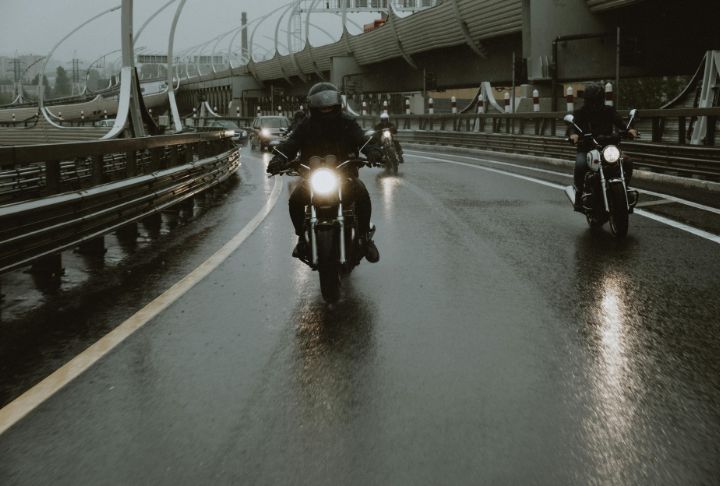
Be alert for sudden slowdowns and position yourself slightly left or right of the vehicle in front. If a car behind you gets rear-ended, this gives you an escape route and some side protection. Maintain a safe distance to avoid being squeezed between vehicles. When traffic completely stops, stay vigilant by checking your mirrors, keeping your bike in gear, and holding the clutch in for a quick getaway.
Understand Your Limits
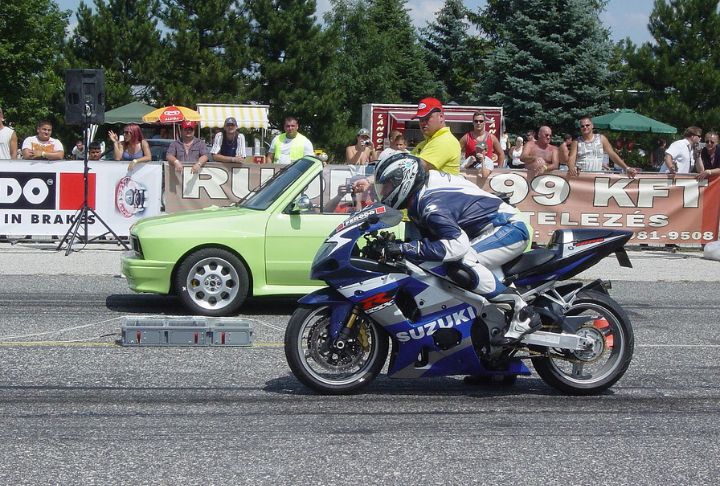
Always ride within your limits! Assess your skill level honestly and consistently ride at least 30% below it. This cautionary buffer gives you precious reaction time for unexpected situations, like a sudden brake from the car ahead. By leaving your ego off the throttle and aiming for a smooth 70% of your ability, you’ll be a defensive rider ready for anything.
Stay Visible
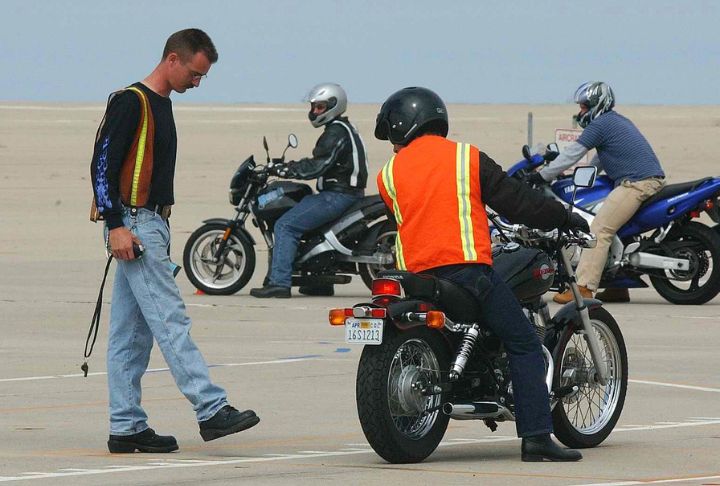
Visibility is key for motorcyclists. Use your headlights at all times, even during the day. Wear bright clothing and add reflective tape to your gear and bike. Position yourself in traffic where you are most visible to drivers. Being seen can prevent many potential collisions.
Ride Defensively
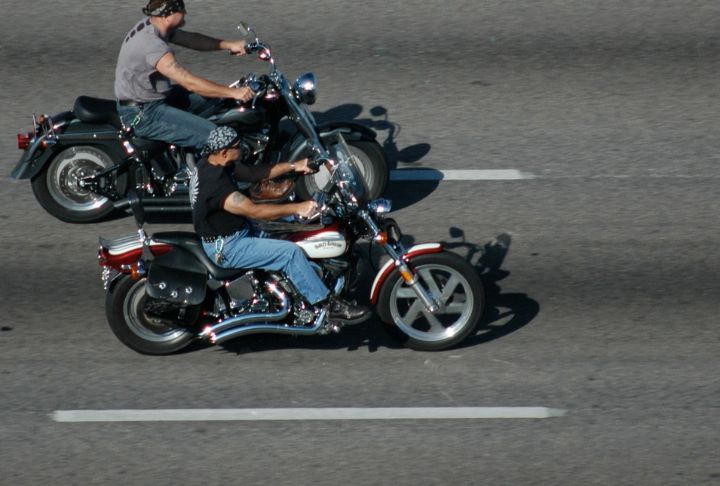
Defensive riding means being perpetually aware of your surroundings. Anticipate potential danger and the actions of other drivers. Keep a safe following distance and be prepared to react to sudden changes. Use your mirrors frequently and avoid blind spots. Defensive riding is about staying one step ahead to prevent accidents.
Keep Your Distance
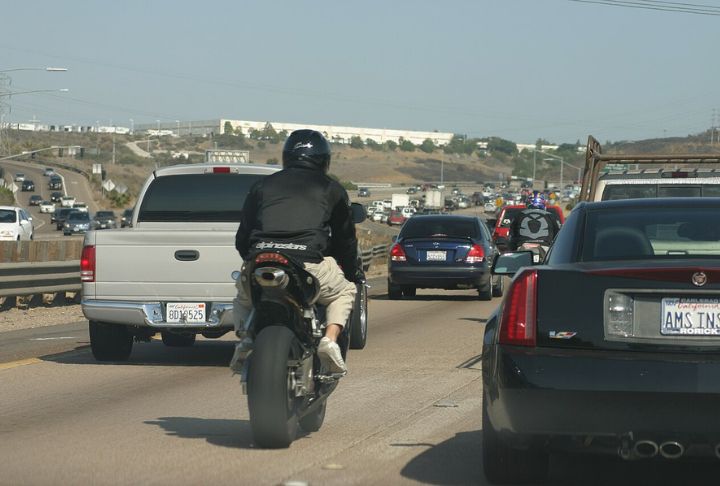
It is essential to keep a safe distance from other road users. This gives you more time to respond to unexpected situations. Avoid riding too closely behind other cars, especially large trucks and buses. The more space you have, the better your chances of avoiding a collision. Always have an escape route planned.
Avoid Riding in Bad Weather
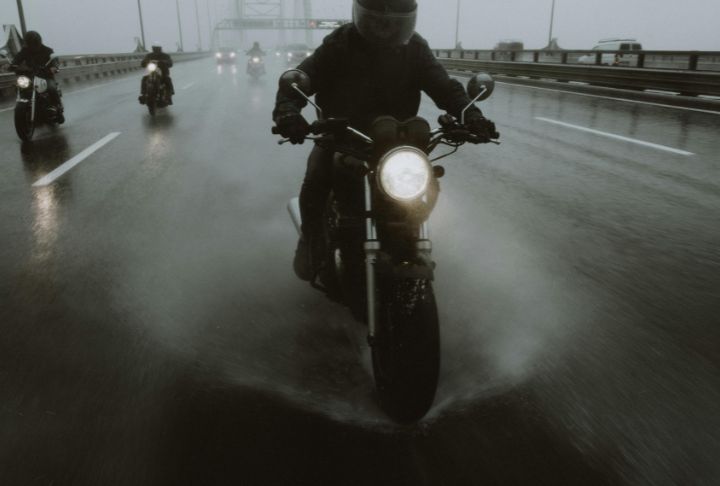
Inclement weather conditions pose significant risks to motorcyclists. Rain, snow, and ice can make roads slithery and reduce visibility. If you must travel in bad weather, reduce your speed and increase your following distance. Use smooth and gentle movements to avoid losing traction. Whenever possible, wait for better weather conditions.
Stay Sober
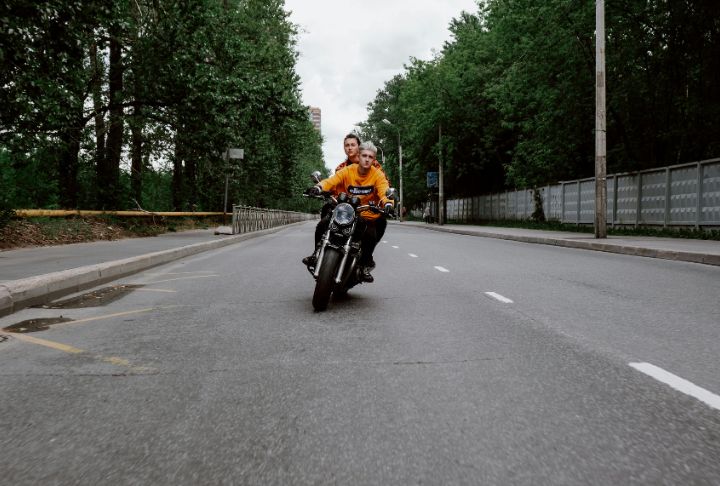
Riding while intoxicated is extremely dangerous. Even small amounts can compromise your judgment and response times. Always stay sober when riding to ensure you can make quick and safe decisions. If you intend to drink, arrange for alternative transportation. Your safety and the safety of others depend on your sobriety.
Check Weather Reports
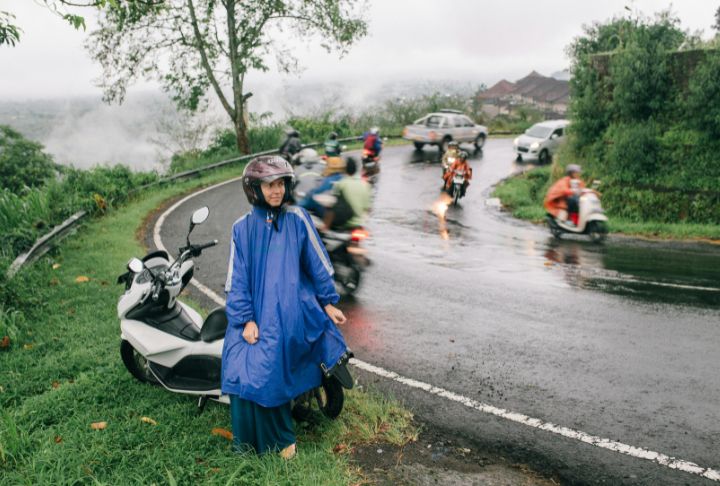
Study the weather forecast before heading out on your motorcycle without fail. Abrupt weather changes can catch you off guard and create dangerous riding conditions. Plan your ride to avoid severe weather and know alternative routes if needed. Staying informed about the weather helps you prepare appropriately. Safe riding starts with good planning.
Stay Alert

When riding, fatigue can pose a major risk. During long rides, make sure you take frequent rest breaks and drink plenty of fluids. Avoid riding when you are tired or drowsy. Staying alert and focused ensures you can react quickly to any situation. Your safety depends on your ability to stay sharp.
Use Your Horn
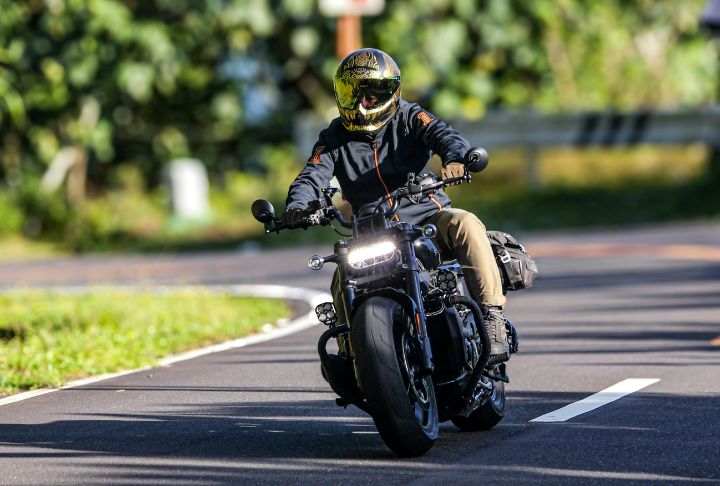
Your horn is a critical tool for alerting other drivers to your presence. Use it to warn drivers who may not see you, particularly at intersections and blind spots. A quick beep can prevent a potential accident. However, use your horn judiciously to avoid startling other drivers. Clear communication can help prevent misunderstandings on the road.
Practice Emergency Maneuvers
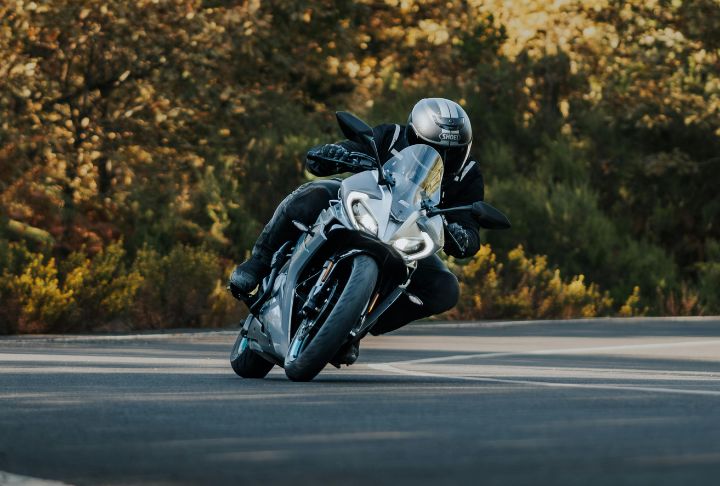
Regularly practice emergency maneuvers, such as quick stops and swerving. Knowing how to handle your bike in sudden, unexpected situations can save your life. Find a safe, open area to practice these skills. The more prepared you are for emergencies, the better you can handle them. Regular practice builds confidence and competence.
Be Mindful of Road Conditions
Pay attention to the road surface and watch for hazards like potholes, gravel, and debris. Adjust your riding accordingly to navigate these obstacles safely. Slow down and use caution when riding on unfamiliar roads. Being mindful of road conditions helps prevent accidents caused by losing control. Stay observant and prepared for sudden changes.
Be On The Lookout For Metal Objects
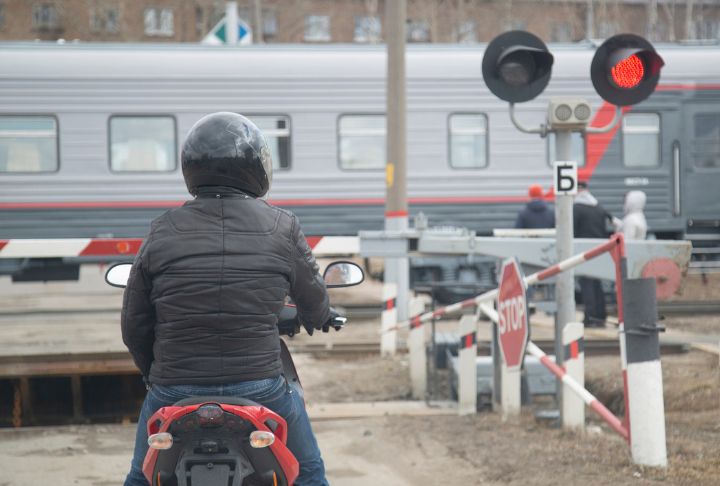
Watch out for slick surfaces like sewer grates, potholes, and railroad tracks, especially when wet. They can make your tires lose grip and cause you to crash. To safely cross railroad tracks, go straight across at a 90-degree angle to avoid your wheels getting stuck in the grooves.