‘That’s completely wrong’ Mechanic explains how long to warm up your car in winter
Brace yourselves, winter is coming. It’s only September, and it’s already snowing in some parts of the United States. So it’s time for the annual debate of how long you should let your car warm up in the winter. One experienced mechanic breaks it down for us.
How long should you warm up your car in winter?
According to TikTok user and mechanic, @robthemechanic, comes out the gate saying everyone has a different opinion on how long you should warm up your car in the winter before you drive it.
Most drivers suggest letting it fully warm up before driving, but Rob says that’s wrong. According to him, the correct amount of time to let your ride warm up is however long it takes to put your seatbelt on.
At very cold temperatures, your oil isn’t working correctly. You want to get it up to operating temperature as quickly as possible. So, you should drive it.
But don’t take off like a bat out of hell, drive responsibly for five to ten minutes, or until you see your cooling temps increasing.
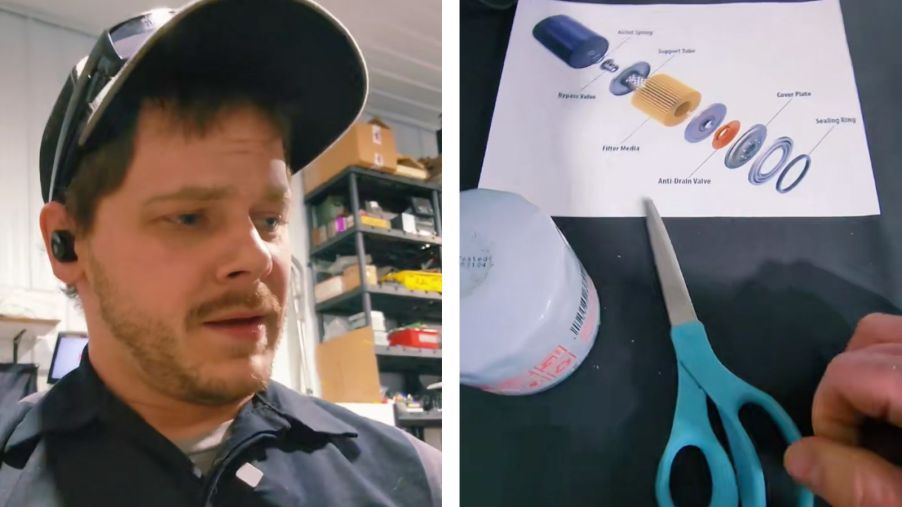
Also, most cars don’t even start filtering oil until it’s hot. Thick oil can’t be pushed through the filter media. There’s a relief valve that allows the oil to bypass the filter by going through the center. Your oil needs to get up to temperature to be filtered.
Rob recommends using a block heater if you have one. Some diesel engines won’t start in the morning unless they’re plugged in. But gasoline engines don’t have this problem. But you can plug your gas engine in to keep the oil and engine warm if it sits for long periods of time.
Why do experts recommend not allowing your car to idle too long?
If you let your car idle too long in the winter, then you might be wasting fuel. If your car sits for over 20 seconds, the gas is watered.
Plus, idling on a cold start can increase wear and tear on your engine and other components. This is because the fluids are thicker and don’t lubricate as well.
Modern fuel-injected engines in cars from the past 30 years are designed to be driven immediately. There are sensors in the engine management system that automatically adjust the air/fuel mixture and idling speed.
Plus, synthetic oil effectively lubricates the engine at lower temperatures to provide adequate protection. Driving at lower speeds warms the oil, transmission, and drivetrain more effectively than idling. Idling only warms up the engine block.
What do commenters think?
Some commenters shared that they start their car up to melt ice off of the windows for enough visibility to drive. Others mentioned that they want to heat up their rides for comfort and that Rob must live in a warm environment.
Some people have concerns about turbo engines and let the coolant temperature get close to 100 degrees before driving. One person asked why you have to wait for Subarus to warm up.
Also, someone recommended referencing your owner’s manual. Some folks claim their diesel trucks hate the cold, and one person said letting their car warm up blew the radiator.
I’ve never heard that about Subaru models, so I’ve reached out to robthemechanic for more information.