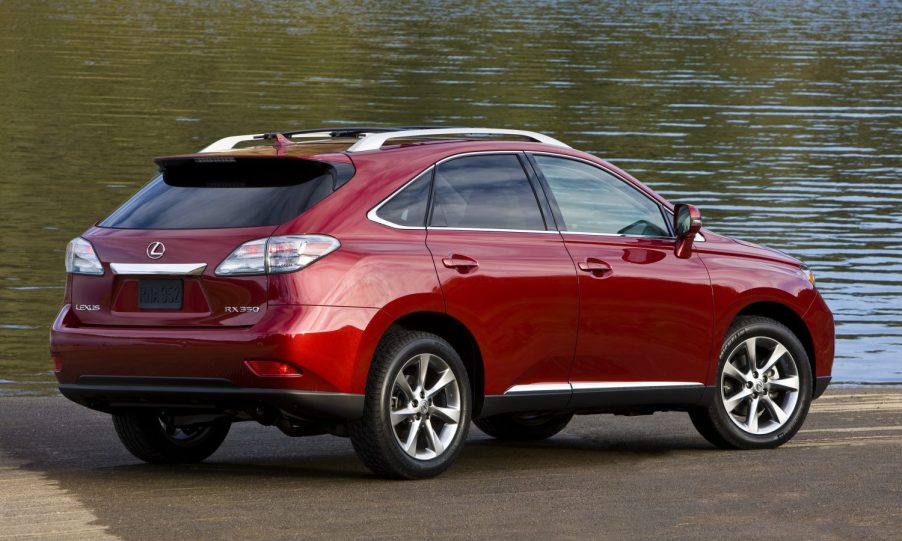
These Are the Lexus RX 350 Years to Avoid
The Lexus RX 350 has become a symbol of reliability, luxury, and comfort since it debuted in the U.S. market in 2007. Over the years, it set benchmarks for midsize luxury SUVs with its refined ride quality, premium features, and strong resale value. However, like any long-running vehicle line, certain model years fall short of expectations due to recurring mechanical issues, design flaws, or reliability concerns. For prospective buyers, avoiding problematic years can save thousands in repair costs and ensure a stress-free ownership experience. Below, we take a closer look at five Lexus RX 350 years to avoid, explaining what went wrong and how these issues impacted drivers.
2007 Lexus RX 350
The 2007 RX 350, marking the introduction of the model, faced teething issues that plagued its reputation. The most common and costly problem was oil leaks from the Variable Valve Timing (VVT-i) oil line, which could rupture without warning. This issue led to significant oil loss, potentially causing engine damage. Lexus later acknowledged this problem and issued a warranty enhancement, but many vehicles already out of warranty left owners with repair bills exceeding $2,000.
Another recurring issue was cracking dashboards. The subpar quality of plastics used in the interior led to dashboards that became brittle, cracked, or greasy over time. Not only was this unsightly, but it could interfere with airbag deployment, raising safety concerns. Additionally, owners frequently reported rack and pinion steering leaks, which required repairs costing upwards of $1,600.
Even minor issues, such as rattling noises from the doors and front hood, were common. These problems were most noticeable in colder climates, where temperature fluctuations exacerbated the rattling.
2008 Lexus RX 350
The 2008 RX 350, despite minor improvements, continued to suffer from many of the same problems as its predecessor. Engine oil leaks, though less frequent than in the 2007 model, remained a concern, often leading to expensive repairs. Moreover, the power steering system saw recurring leaks, and owners frequently complained about high fuel consumption, making the vehicle costly to own over time.
A significant downside was the automatic transmission’s laggy performance. Drivers reported delays in gear shifting, making acceleration jerky and unreliable. This problem was especially frustrating during highway merging or when climbing steep inclines.
Interior durability issues also persisted. Dashboard cracking remained a sore point for owners, and the vehicle’s sound insulation failed to meet the high expectations associated with Lexus. Noisy cabins and rattling trim pieces further eroded the luxury feel.
2010 Lexus RX 350
The 2010 RX 350 introduced the second generation of the model, boasting a redesigned exterior and improved features. Unfortunately, it also brought new problems. One of the most serious issues was engine failure, often stemming from oil leaks and cooling system malfunctions. Owners frequently reported that the engine would overheat or lose power, leading to costly repairs or even complete engine replacements.
Air conditioning issues were another common complaint. Specifically, the servo motor responsible for controlling airflow on the passenger side often failed, leaving passengers without heat or cooling. Repairing this motor could cost over $2,000, a hefty expense for owners.
Cosmetic and build-quality issues also plagued this model year. Reports of paint discoloration, especially on the hood and roof, were common, detracting from the vehicle’s otherwise upscale appearance. Additionally, rattling body panels, particularly in colder weather, frustrated drivers. Combined with its mechanical failures, the 2010 RX 350 is one of the most problematic years in the lineup.
2016 Lexus RX 350
The 2016 RX 350 marked the debut of the fourth generation, featuring bold new styling and updated technology. However, its transmission issues overshadowed its aesthetic appeal. Drivers frequently reported delayed gear shifts, rough transitions between gears, and an overall lack of smoothness. These issues not only made driving uncomfortable but also raised concerns about long-term reliability.
Ignoring these transmission problems often led to worsened fuel efficiency or complete transmission failure. Some owners also noted a burning odor emanating from the engine bay, a sign of overheating transmission fluid or internal component wear.
Interior problems were equally troubling. Unreliable Bluetooth connectivity frustrated tech-savvy users, and several reports of spontaneously shattering sunroofs caused safety concerns. While these occurrences were rare, they highlighted build-quality inconsistencies that tarnished the model year’s reputation.
2017 Lexus RX 350
The 2017 RX 350 carried over many of the issues from the 2016 model. Owners frequently complained about shuddering during acceleration, particularly between 1,500 and 1,800 RPM. This problem, often traced back to the transmission, made driving the RX 350 less enjoyable and predictable.
Low brake pressure was another reliability concern. Some drivers experienced reduced stopping power, which Lexus dealerships often struggled to diagnose and repair. Combined with the transmission issues, these braking problems raised safety concerns for owners.
Noise and vibration issues persisted in this model year, particularly in colder weather. Owners reported rattling sounds from the interior panels and doors, detracting from the luxury SUV’s otherwise premium feel.
The Lexus RX 350 is one of the most popular and reliable luxury SUVs on the market, but certain years are better avoided.
The 2007, 2008, 2010, 2016, and 2017 models faced significant reliability and quality issues, ranging from oil leaks and engine failures to transmission and interior durability problems. If you’re considering a used RX 350, opting for years with fewer complaints, such as 2011, 2015, 2018, or 2020, is a safer bet. Be sure to check out MotorBiscuit’s seamless car buying tool to compare listings and find the best deal in your area.
By steering clear of these problematic years, you can enjoy the RX 350’s hallmark features—luxury, comfort, and reliability—without the headaches of constant repairs.