Is Running a Red Light Ever OK?
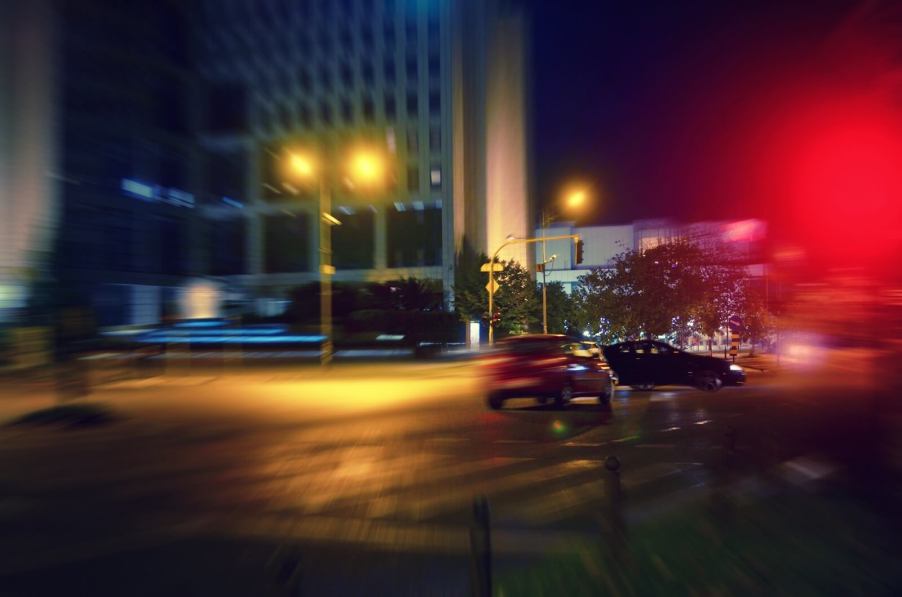
Emergencies happen. Drivers are late for important engagements every day. As such, some drivers and riders choose speed over safety by running a red light or two. So, is it ever ok to risk it and cruise through a crimson traffic light?
Unsurprisingly, running a red light for any reason is dangerous and illegal
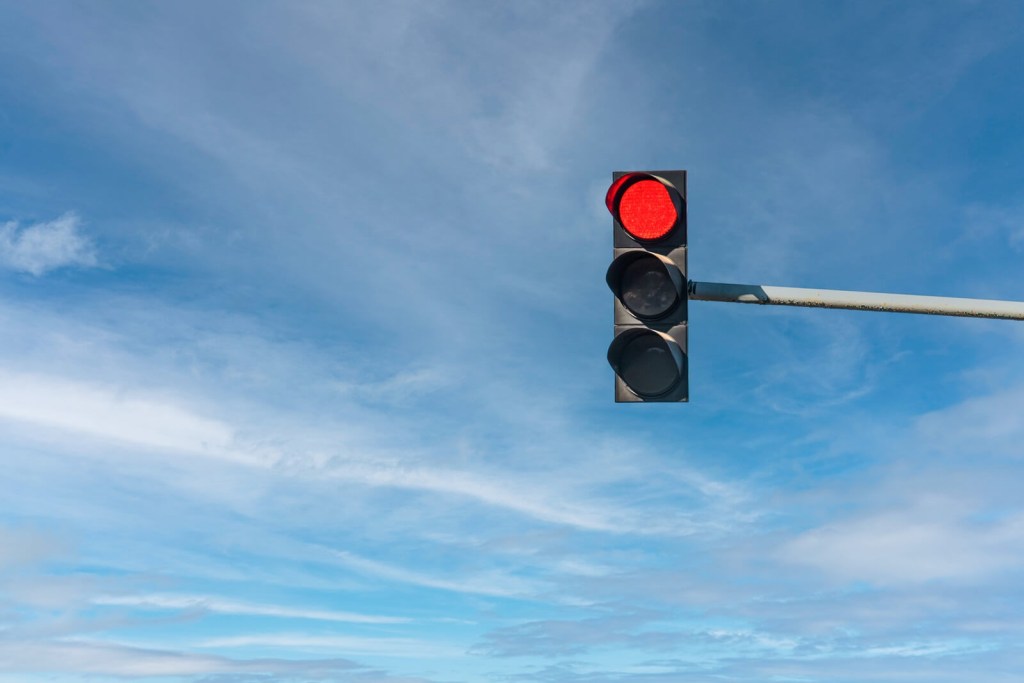
Traffic lights, or stop lights, exist to ease traffic flow and promote safe travel. As such, running a red light is inherently dangerous to you, your passengers, other motorists, pedestrians, and cyclists. Consequently, running a red light for any reason isn’t justifiable in the eyes of the law.
Even with an understandable explanation, a law enforcement officer will almost certainly write you a traffic ticket for running a red light. Moreover, depending on the circumstances, you may receive points on your license and a mandate for traffic school.
I’ll acknowledge that there are reasons that would prompt a motorist to attempt to pass through an intersection with a red light. For instance, small vehicles, like diminutive roadsters and motorcycles will fail to trigger the sensor arrays associated with traffic lights. As a result, a rider or driver could end up sitting in a left-turn lane until a larger vehicle joins them. While frustrating, it’s far from an acceptable excuse.
Another such explanation is an emergency. A driver might attempt to run a red light if they believe their situation warrants such an action, like a medical emergency. However, even a medical emergency isn’t a sufficient reason to endanger other motorists. Instead, drivers should call an ambulance in a medical emergency.
Frankly, a code 3 emergency vehicle is the only context where a vehicle should drive through a red light. Even then, ambulance drivers, police officers, and fire apparatuses are typically bound by policy to slow down and “clear” an intersection with lights and sirens before proceeding.
As a firefighter/EMT, I would change the tone and tempo of my siren as I approached an intersection. Doing so better warned motorists of my approach. But even with attention-grabbing sirens, I would slow down to clear the intersection; you can’t help anyone if your emergency vehicle is involved in an accident.