10 Hypercars That Redefined Speed And Engineering Excellence
Some cars break records. Others break the mold. These hypercars did both—without waiting for approval. Designed in wind tunnels and imagined by visionaries, they blend sharp design with serious horsepower. No gimmicks, just pure engineering ambition. Keep reading to discover ten machines that reshaped how performance and precision are understood today.
Bugatti Veyron
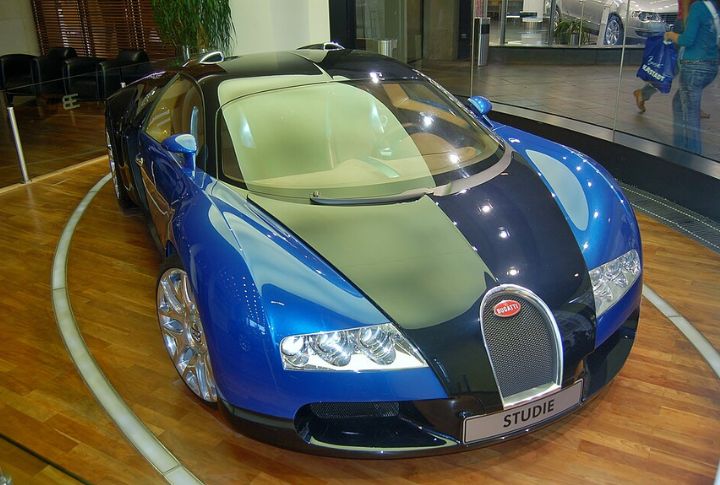
The Bugatti Veyron reached 253 mph in 2005 and became the first production car to surpass 250 mph. Priced at $1.7 million, it featured a W16 engine with four turbochargers. That combination of speed, rarity, and engineering turned it into an instant icon among serious collectors.
Lamborghini Aventador
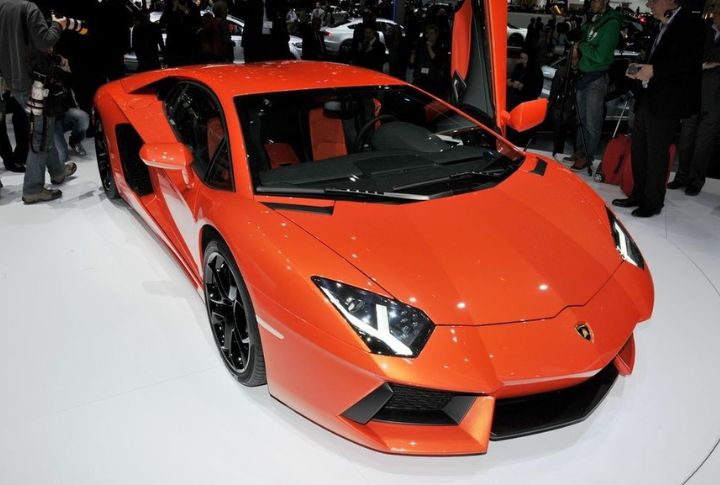
Aggressive geometry defined the Aventador when it arrived in 2011, which made it look more like a concept sketch than a finished product. Since it used a 6.5-liter naturally aspirated V12 and delivered that signature Lambo howl. Consequently, the car became instantly iconic, especially with those scissor doors.
Ferrari LaFerrari
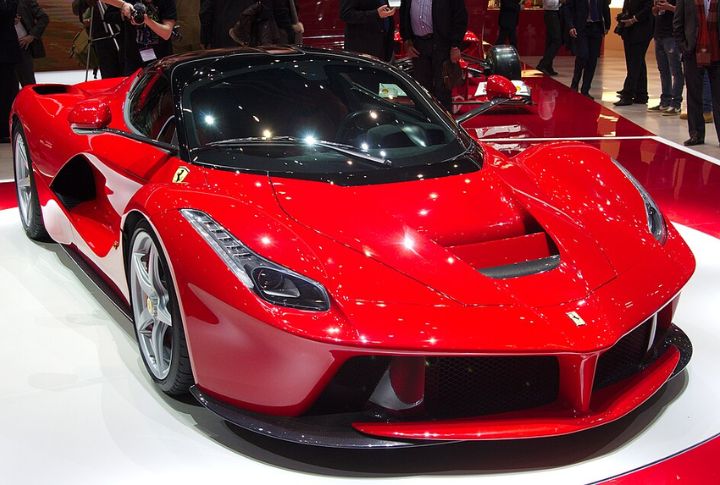
Ferrari took a gamble in 2013 by merging electric motors with a 789-hp V12, and somehow, it paid off. Because it integrated F1-style KERS tech, the LaFerrari delivered short bursts of power that felt almost artificial. As only 499 units were made, demand exceeded supply immediately.
McLaren P1

In 2013, McLaren’s engineers put active aerodynamics front and center in the P1’s design—every element, from the spoiler to the cooling ducts, had a purpose. By pairing a twin-turbo V8 with an electric motor, the car delivered lightning-fast acceleration. With 903 horsepower under the hood, it was a powerful success.
Porsche 918 Spyder
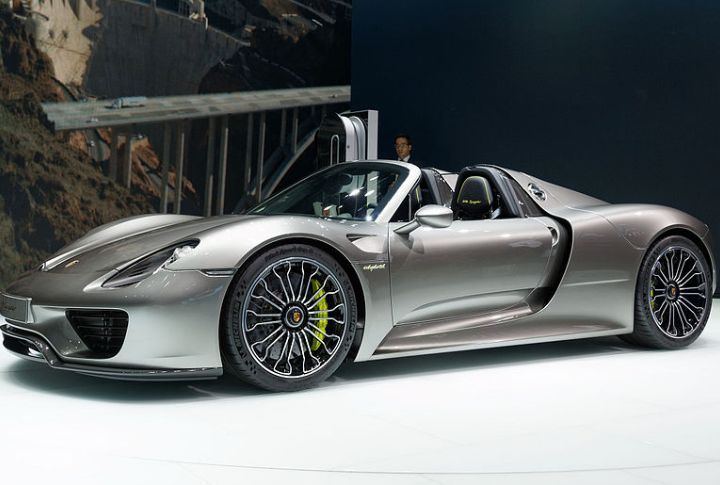
Between 2013 and 2015, Porsche wowed the world with the 918, a masterclass in quiet brutality. Using a V8 engine alongside two electric motors, it achieved near-instant acceleration. That raw power shaved the Nurburgring lap time to under seven minutes, leaving even the purists speechless.
Koenigsegg Jesko
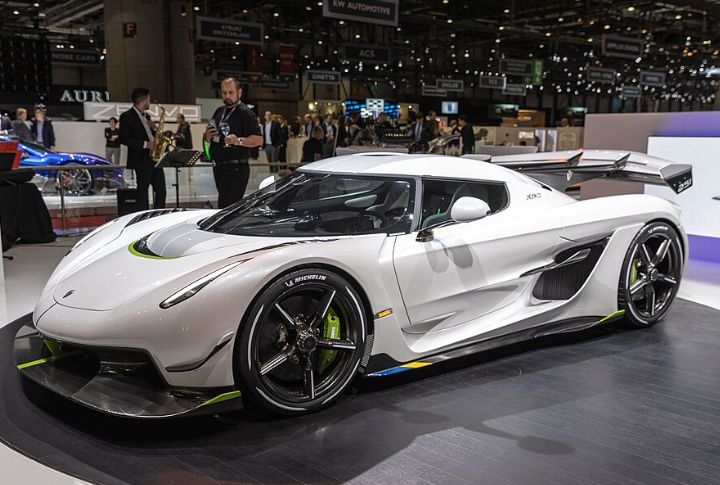
When the Jesko debuted in 2019, it set its sights on hitting 300 mph. Powered by a twin-turbo V8 delivering 1,600 horsepower, its remarkable power delivery stole the show. The addition of a 9-speed multi-clutch gearbox showcased precision engineering, while every panel was carefully crafted to optimize airflow and high-speed stability.
Pagani Huayra
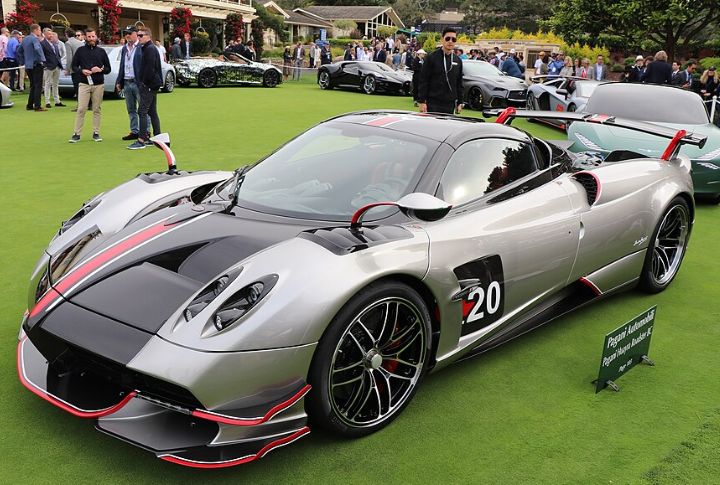
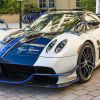
Design took center stage with the Huayra in 2012, and it showed. The body felt impossibly light yet detailed because Horacio Pagani fused carbon fiber with titanium. Thanks to active aerodynamic flaps, the car easily maneuvers while driving. Inside, exposed metal gear linkages and bespoke leatherwork gave off steampunk vibes.
Aston Martin Valkyrie
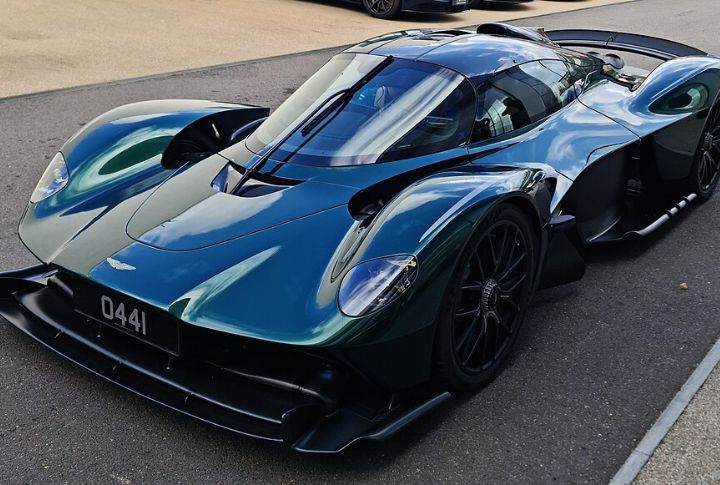
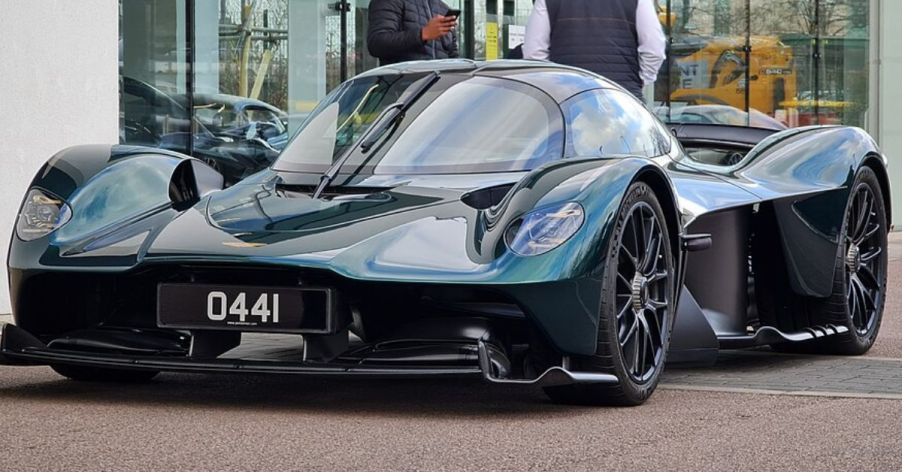
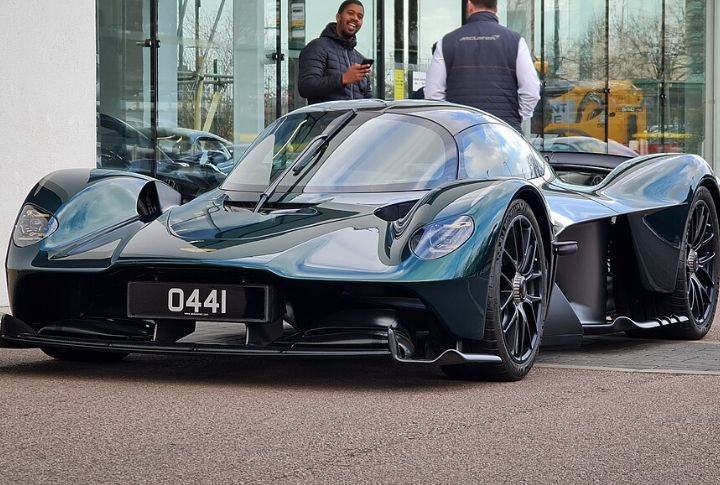
The Valkyrie launched in 2021 through a partnership with Red Bull Racing. It runs a Cosworth V12 revving to 11,100 rpm and mirrors Formula One design. With only 275 units planned, demand quickly exceeded supply, placing even wealthy buyers on tight waitlists.
Lotus Evija
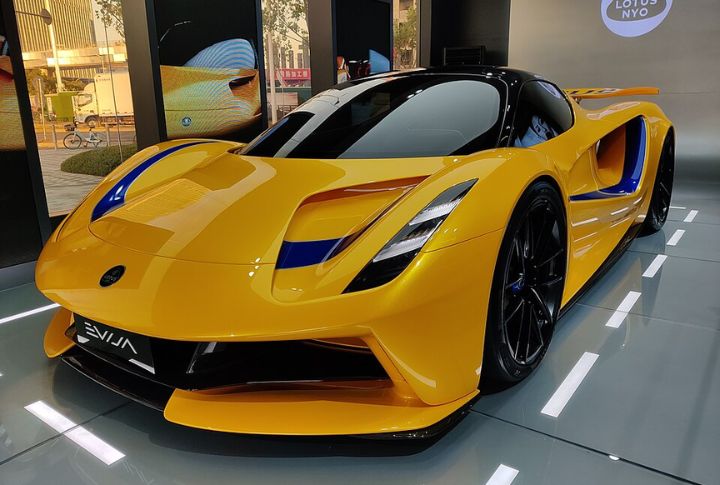
In 2020, Lotus introduced the Evija—their first electric hypercar and the lightest in its class. Built with carbon fiber to keep weight down, it packs a powerful 1,972 horsepower punch. Sleek air tunnels sculpt its body, perfectly blending style with performance. It’s minimalism, but with serious muscle.
Rimac Nevera
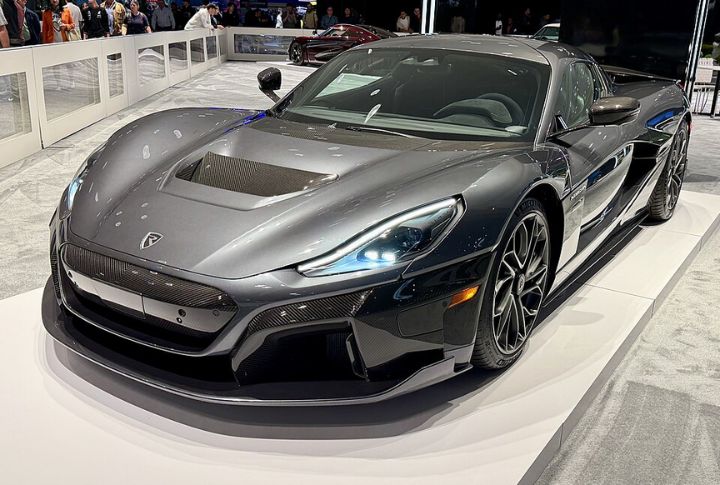
Rimac shook up the electric car world in 2021 with the Nevera, packing four motors that deliver a staggering 1,914 horsepower. It rockets to 60 mph in just 1.74 seconds. Thanks to a lightweight carbon monocoque and advanced torque vectoring for razor-sharp handling, the Nevera set a new $2 million standard in performance and precision.