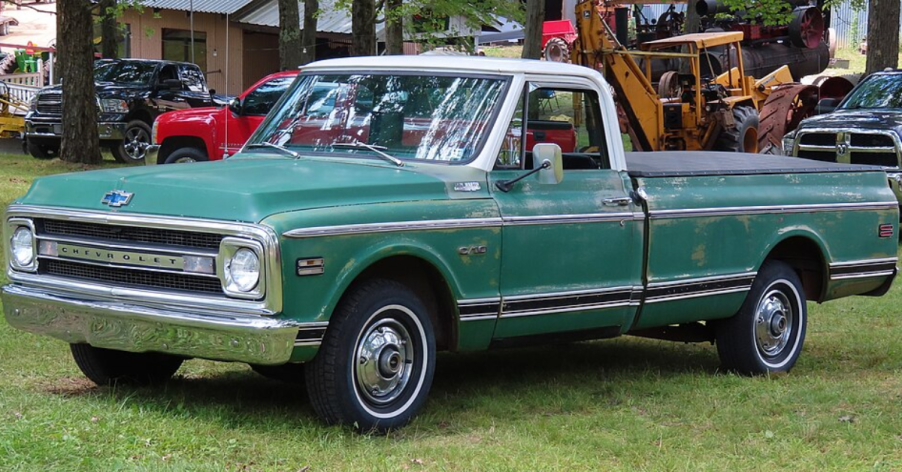
How The 1970 Chevy C10 Redefined Farm Power
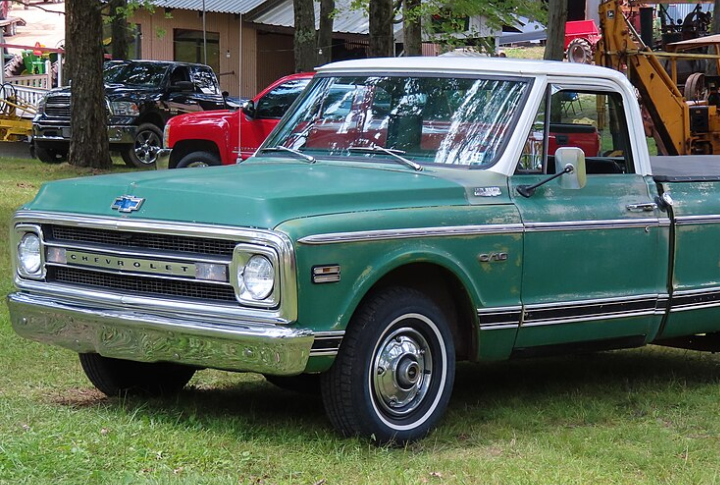
Speed wasn’t the first thing people expected in a farm truck—until the 1970 Chevy C10 rolled up. With big-block muscle and street-ready looks, it helped rewrite the rulebook. These facts demonstrate why this classic continues to dominate conversations and build alike.
Blistering V8 Power Made It A Track-Worthy Truck
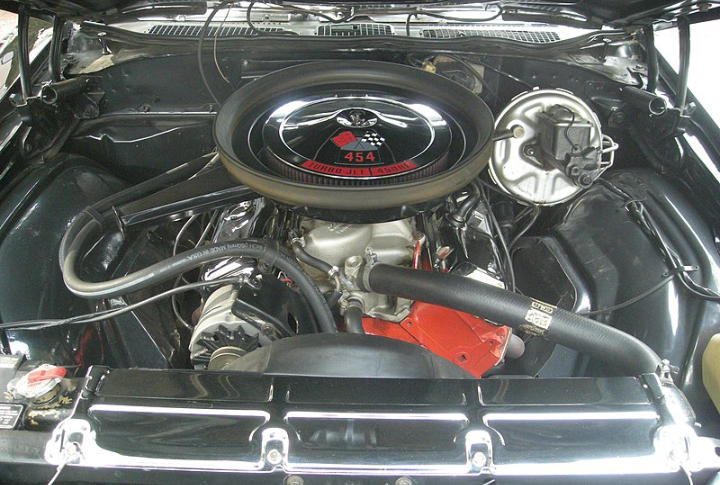
The 1970 Chevy C10 could pack a 402-cubic-inch V8 engine that cranked out up to 300 horsepower—an anomaly for farm trucks back then. Some models zipped from 0–60 mph in under 8 to 12 seconds using the same engine block found in Chevy muscle cars.
Lowered Suspension Gave It Street Swagger
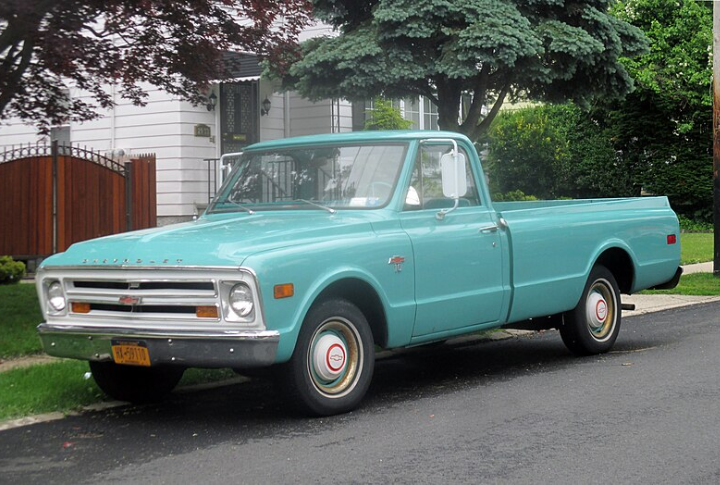
Unlike most trucks of the era, the C10 came with an independent front suspension and a coil-spring rear, which offered far smoother handling. Many owners tweaked them for low-rider setups, and it was surprisingly agile through curves, giving it a serious street attitude.
The Fleetside Design Enhanced Aerodynamics
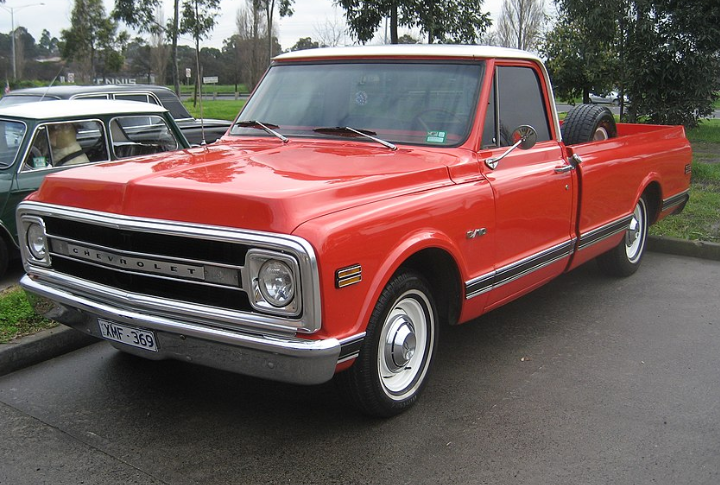
With its flatbed walls and wider surface, the Fleetside bed reduced wind drag during pickup acceleration. It delivered improved high-speed stability over the Stepside and caught the attention of restomod builders. The look also moved the C10 beyond pure utility.
Optional Turbo-Hydramatic Transmission Boosted Acceleration
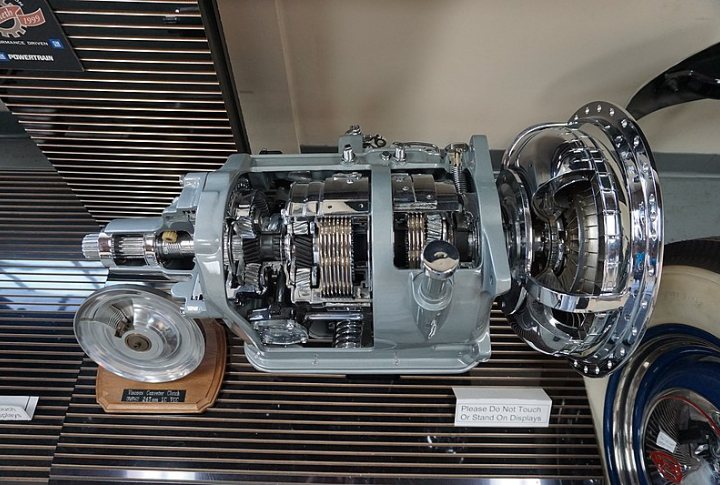
The Bel Air could be equipped with the same 3-speed Turbo-Hydramatic 400 automatic transmission used in Corvettes. Known for its smooth gear changes and strength under pressure, this option gave the car sportier acceleration and a more refined highway feel.
Short Wheelbase Versions Improved Maneuverability
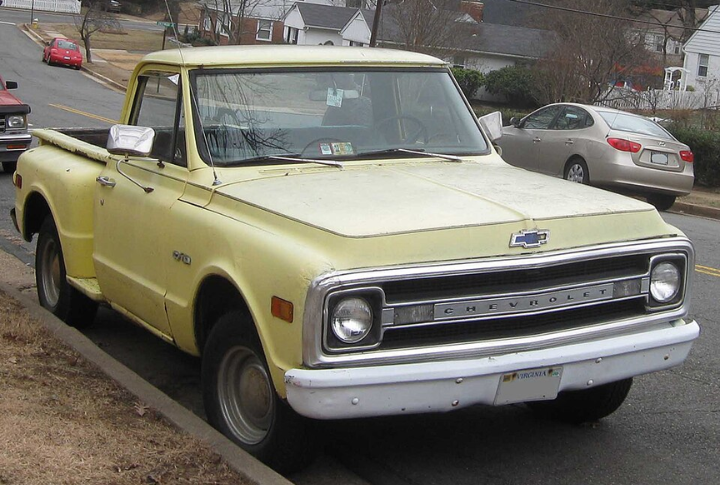
A 115-inch wheelbase made the C10 nimble in tight spots and faster off the line than longer-bed versions. Farmers appreciated the convenience of quick tasks, while drag racers liked the short bed’s lighter weight for quicker passes at the track.
Rally Wheels And White Letter Tires Added Muscle Appeal

Factory C10s could be optioned with Rally wheels styled after Camaros and Chevelles. Paired with Goodyear wide-tread tires, the setup gave the truck serious visual muscle. These details made it a standout among sports truck fans and a collector’s favorite today.
Lightweight Frame Contributed To Speed

Some performance-ready C10 builds weighed under 4,000 pounds, giving them serious agility. Their lighter frame made them quicker than most heavy-duty trucks on or off the road. Drivers even joked they “drive like a car, haul like a truck”—and they weren’t wrong.
Dual Exhaust Packages Were Built For Roar
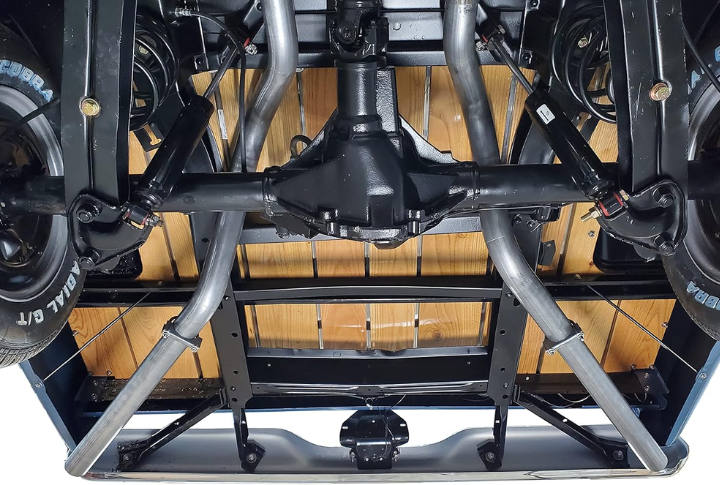
Factory-installed dual exhausts helped boost both power output and fuel efficiency. The aggressive, low growl made it stand out from typical farm trucks. Even idling sounded like a sports car, and that roar drew crowds at small-town drag strips across America.
Performance Packages Came Straight From The Factory
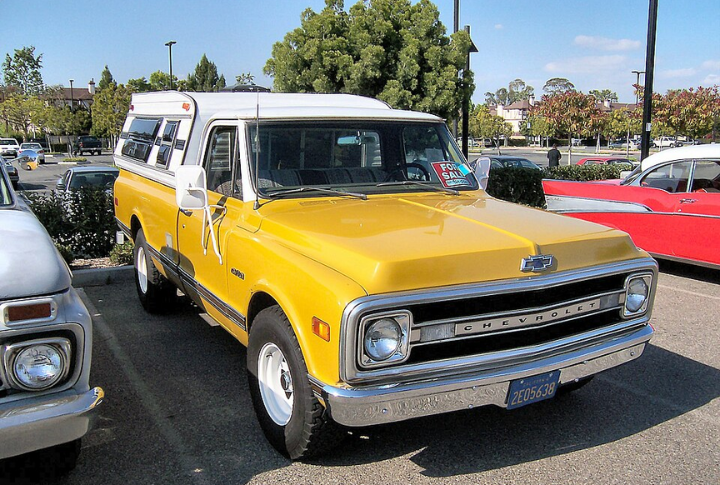
The CST/10 trim unlocked features like power brakes, tilt steering, and air conditioning. These weren’t dealer hacks—they came factory-ready. By offering real muscle in a workhorse body, Chevy helped pioneer the performance truck category and embraced the “luxury speed truck” market.
Legacy Lives On In Today’s Restomod Culture
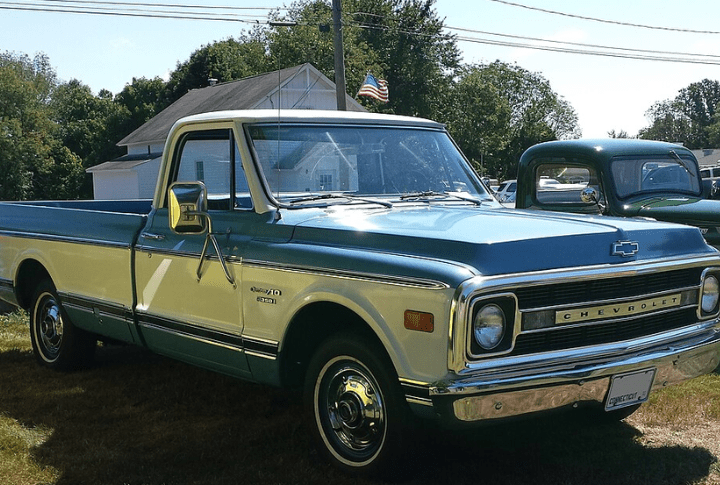
Original 1970 C10s now fetch top dollar at classic car auctions. Builders frequently add LS motors and custom air suspension for speed. It’s one of the most modded vintage trucks out there—proof that its DNA still drives farm-bred speed culture forward.