How Sherman Tanks Shaped D-Day History
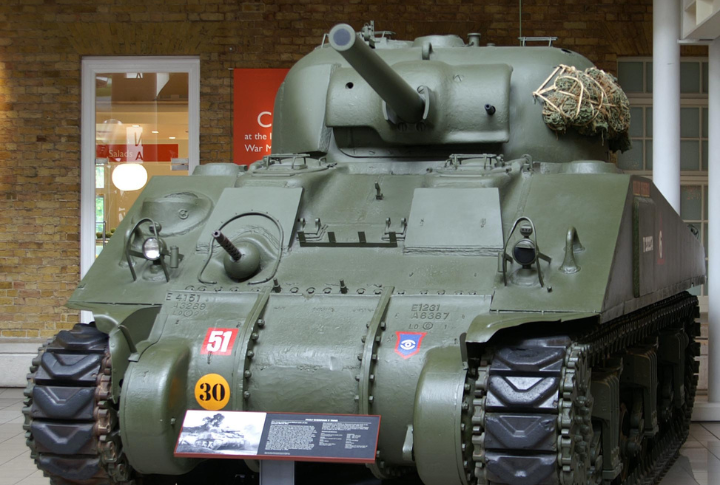
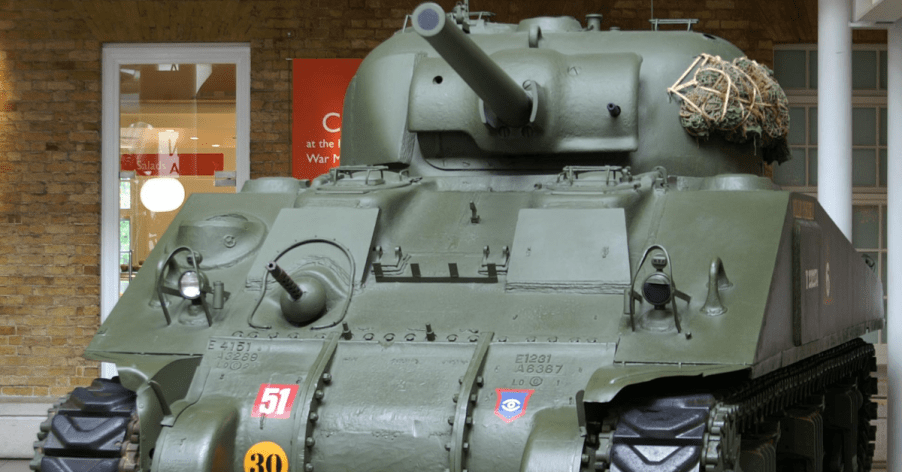
The Sherman tanks that landed on Omaha Beach during D-Day on June 6, 1944, are forever etched in history, not just for their design but for the lessons learned in failure. Despite their initial struggles, these tanks became symbols of resilience, forever haunting the beaches of Normandy. Discover why their legacy still enthralls the world.
Design Flaws Rendered The Sherman Ineffective On Omaha Beach
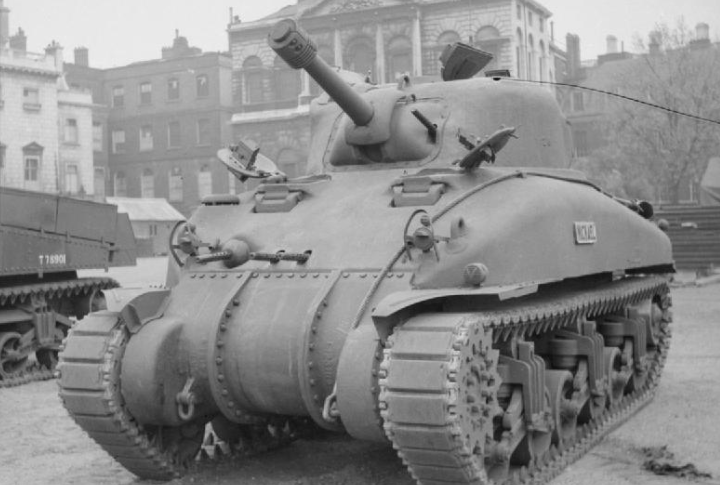
The Sherman tank, designed for versatility, was no match for the challenges posed on Omaha Beach. Its relatively thin armor and slow speed left it vulnerable to German anti-tank weapons. This vulnerability marked the beginning of its tragic failure during the D-Day invasion.
High Losses During The First Wave
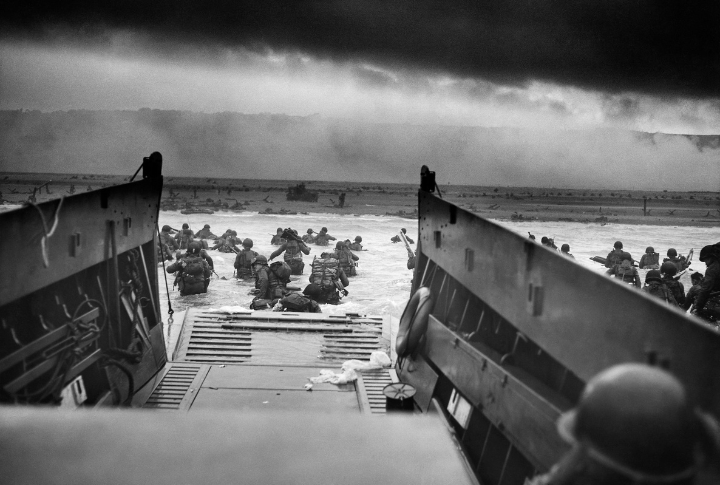
The initial wave of Sherman tanks landing on Omaha Beach faced brutal resistance. Out of the 29 tanks in the first wave, only a handful made it to shore. The sheer scale of these losses left a lasting impact on the morale of the Allied forces.
The “Hobart’s Funnies” Could Not Overcome German Defenses
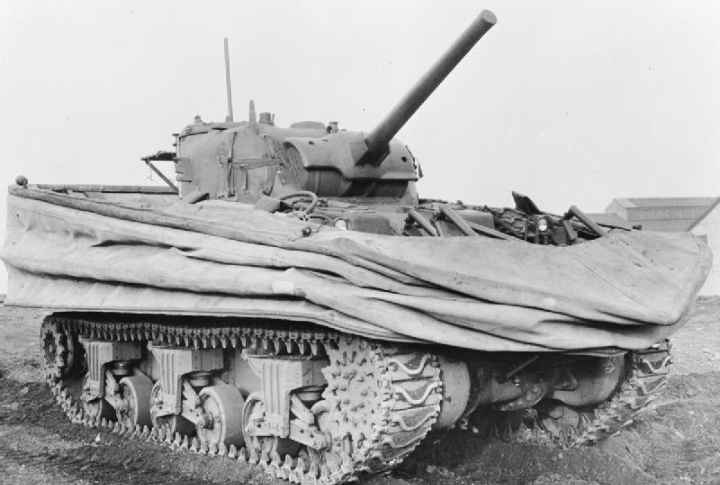
Specialized versions of the Sherman, known as “Hobart’s Funnies,” were created to breach obstacles. Despite their innovative designs, many of these tanks failed under fire, sinking or being destroyed before they could assist infantry in clearing the beachhead.
The Terrifying Prospect Of The Flail Tanks
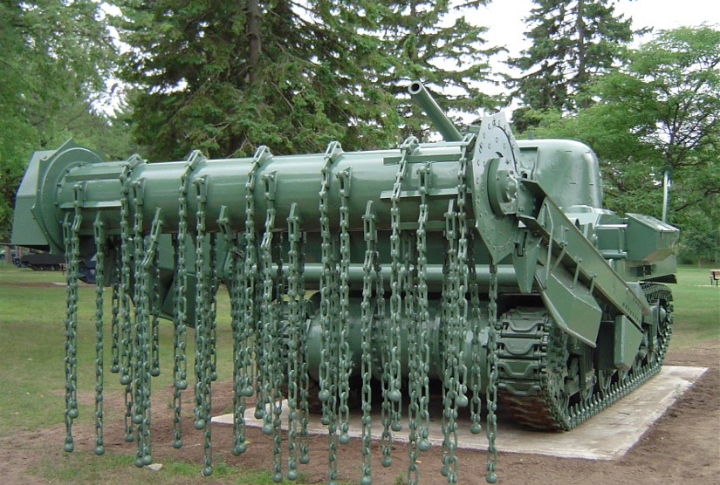
Flail tanks, equipped with giant chains to clear mines, were part of the strategy for Omaha Beach. However, the brutal terrain, including steep cliffs, limited their effectiveness. These tanks’ struggles illustrate the challenges faced by even the most specialized military equipment.
The Sherman’s Engine Struggled In Rough Conditions
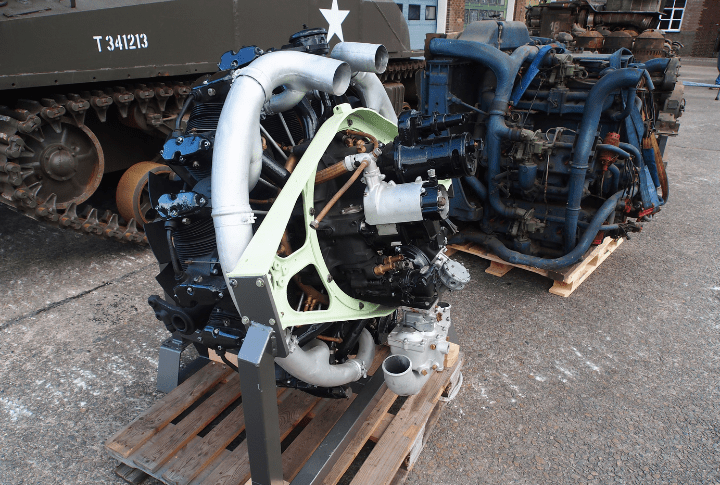
Sherman tanks had a petrol-powered engine that struggled in the muddy, waterlogged conditions of Omaha Beach. With many tanks failing to start or stalling during critical moments, the engine’s reliability was a significant factor in their catastrophic failure on D-Day.
Tank Crews Faced Horrific Combat Conditions
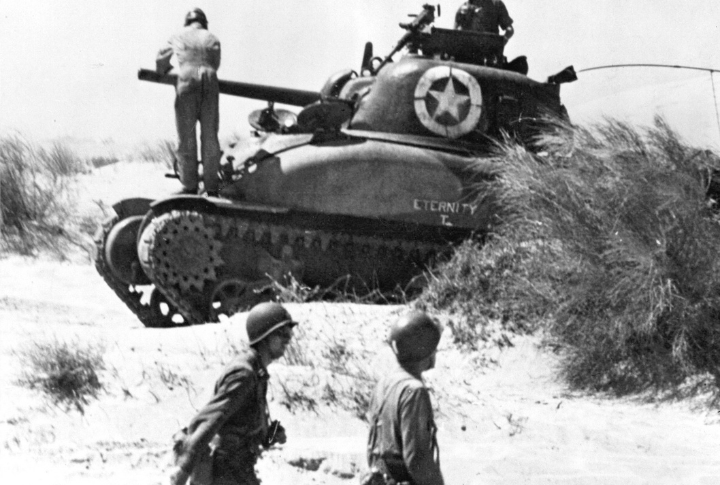
Tank crews faced some of the most grueling combat conditions imaginable. As German fire rained down from above and from fortified positions, many crews perished in their vehicles. This tragic loss not only haunted their comrades but also left a lasting legacy of fear and sorrow.
The Impact Of The Beach’s Geography On Tank Performance
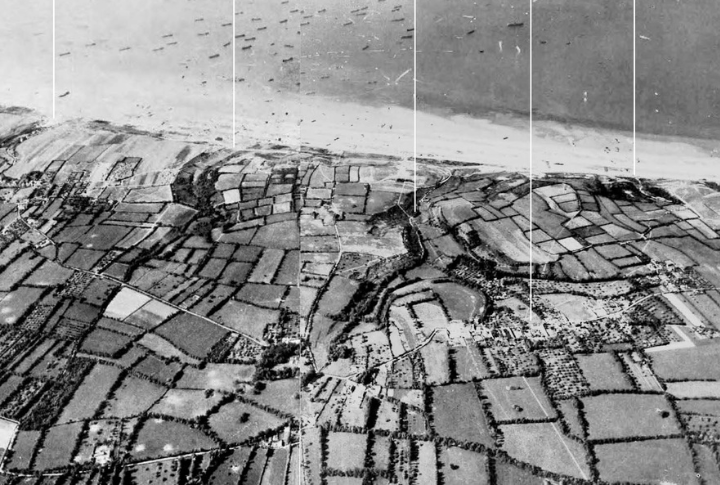
With its steep cliffs and soft sand, Omaha Beach’s geography severely hampered the Sherman’s performance. The tanks’ limited mobility made it impossible for them to move through the beach effectively, and many were disabled before reaching the critical German defenses.
The Sherman’s Firepower Could Not Match The German Defenses
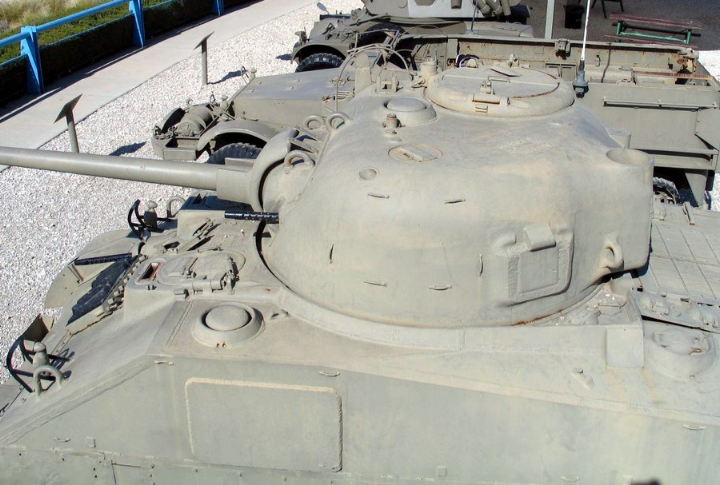
Although powerful, the Sherman’s 75mm gun could not penetrate the well-armored German defenses on Omaha Beach. German artillery and anti-tank guns, such as the 88mm, made quick work of the tanks, highlighting the technological imbalance that contributed to their rapid destruction.
Sherman Tanks In The Post-D-Day Campaigns
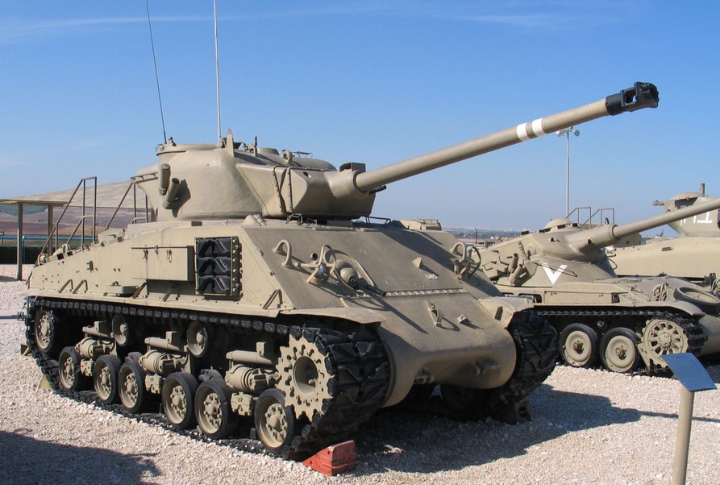
Despite the failures at Omaha Beach, Shermans went on to become the backbone of Allied armored forces throughout the battle. Their role in future battles, including the liberation of France, underscores the adaptability and importance of the tank in the broader scope of WWII.
Ongoing Interest In The Sherman Tanks’ Legacy
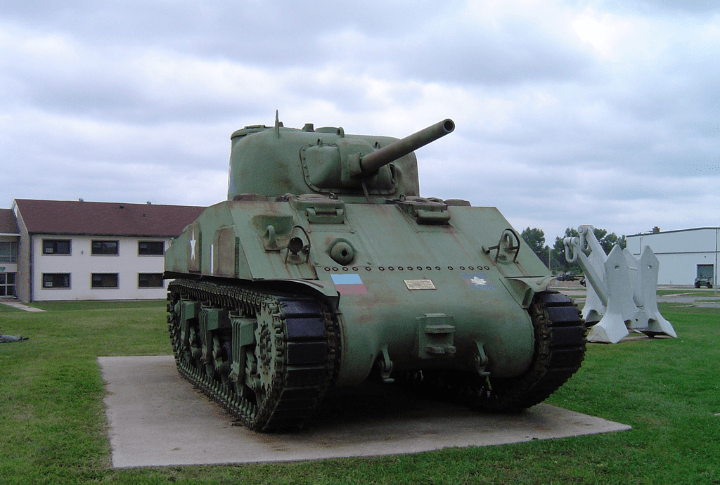
Interest in the Sherman tanks of D-Day continues to grow. Their story is featured in museums, documentaries, and books, ensuring that future generations will never forget the harrowing lessons learned from the loss of these tanks, which still haunt the beaches of Normandy today.