How McLaren Solidified Its Status in the Hypercar Market

McLaren has long been synonymous with speed, innovation, and excellence in the automotive world. Starting from its roots in Formula 1 racing, the British automaker has evolved into a formidable player in the hypercar segment, producing vehicles that redefine performance and engineering. So, let’s look at the remarkable journey of McLaren’s hypercar royal family.
The Birth of McLaren F1 (1992)

The F1 marked McLaren’s entrance into the road car market and set a new standard for performance. Designed by Gordon Murray, it featured a carbon-fiber chassis, a central driving position, and a naturally aspirated V12 engine. It held the fastest production car title for almost a decade, topping at 240 mph.
Innovative Central Driving Position
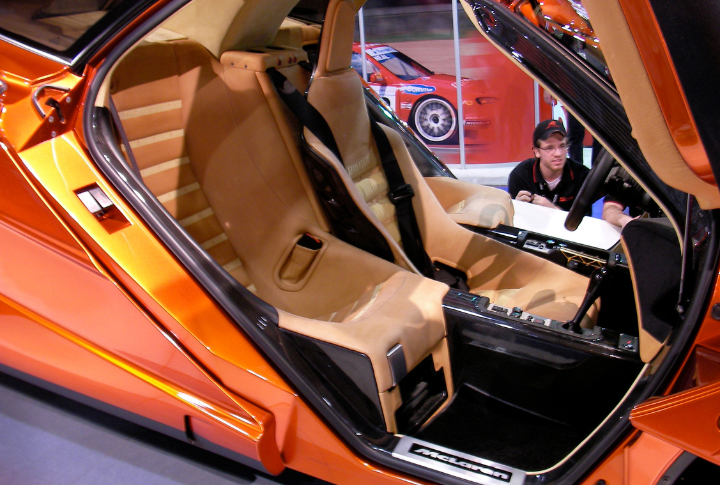
Its unique central driving position placed the driver in the middle of the car for unmatched visibility and control. Inspired by racing cars, this innovative layout offered a more immersive driving experience, reinforcing McLaren’s commitment to blending motorsport engineering with road car performance.
Pioneering Use of Carbon Fiber

A breakthrough feature of the McLaren F1 was its carbon-fiber monocoque chassis, which significantly reduced weight while enhancing strength. As one of the earliest road cars to incorporate carbon fiber, the F1 changed the lightweight construction game, becoming a defining feature of the brand.
Engineering Perfection with Naturally Aspirated Power
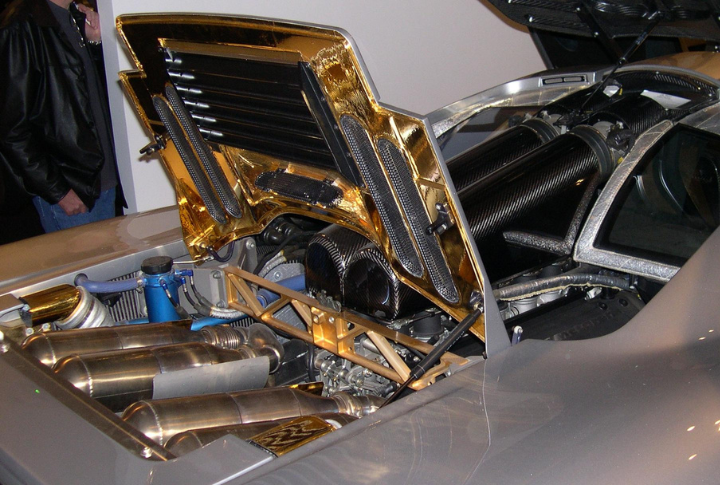
Interestingly, BMW developed the 627hp V12 engine, which didn’t rely on turbocharging, demonstrating that naturally aspirated engines could achieve outstanding performance. This futuristic engine and lightweight build established the McLaren F1 as one of the most advanced cars of its time.
Transition to Supercars with MP4-12C

Next in line was the iconic MP4-12C launched in 2011, which marked McLaren’s return to the road car segment under McLaren Automotive. Keeping the McLaren hyper DNA, it featured a carbon-fiber MonoCell chassis and a twin-turbo V8 engine, blending Formula 1 technology with road car practicality.
Twin-Turbo Performance in the MP4-12C

Unlike its beefier v12 predecessor, the MP4-12C’s twin-turbocharged V8 engine only delivered 600 horsepower and brought McLaren into the modern supercar era. It offered incredible performance while maintaining fuel efficiency, showcasing McLaren’s ability to balance power with practicality.
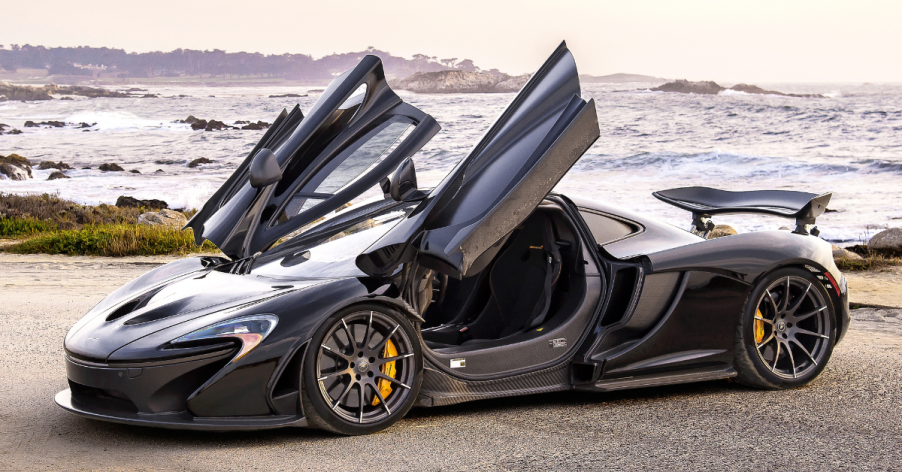
The Ultimate Series: McLaren P1

Introduced in 2013, the McLaren P1 was the brand’s first hybrid hypercar. It combines a twin-turbo V8 engine with an electric motor producing nearly 1,000 horsepower! The P1 highlighted McLaren’s innovative approach to hybrid technology, blending blistering speed with impressive efficiency.
Hybrid Technology in the P1

This engine’s hybrid system featured a 727-horsepower V8 engine paired with a 177-horsepower electric motor. A combination that allowed for rapid acceleration and improved fuel efficiency. It was a significant milestone in the automotive scene as it balanced performance and environmental considerations.
Speedtail: A Tribute to the F1
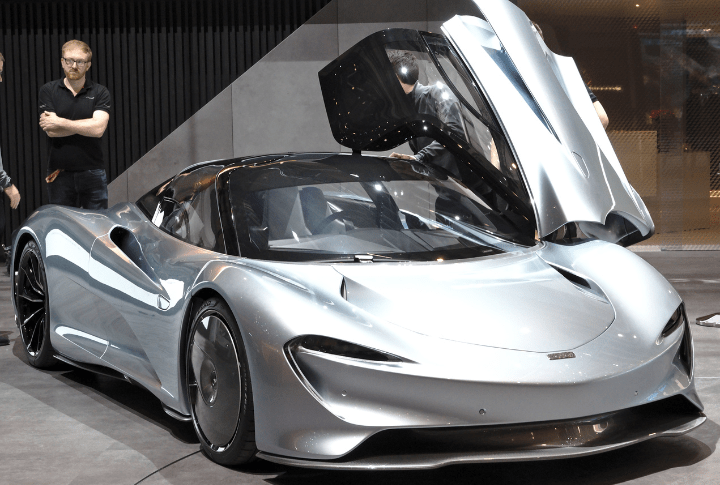
After the p1 came the nostalgic Speedtail, which paid tribute to the legendary F1 by reintroducing the central driving position. It also featured a hybrid powertrain, combining a twin-turbo V8 and electric motor, producing over 1,000 horsepower and a top speed exceeding 250 mph.
The Aerodynamic Excellence of Speedtail
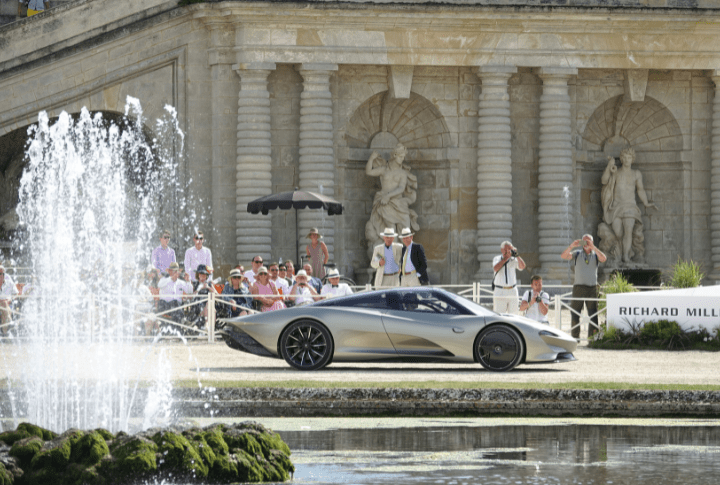
On the other hand, the Speedtail’s elongated design focused on maximizing aerodynamic efficiency. Elements, such as retractable rear ailerons, reduced drag while increasing stability at high speeds. This allowed the vehicle to achieve remarkable top speed, emphasizing McLaren’s innovation.
The W1: The Apex of Hypercar Evolution
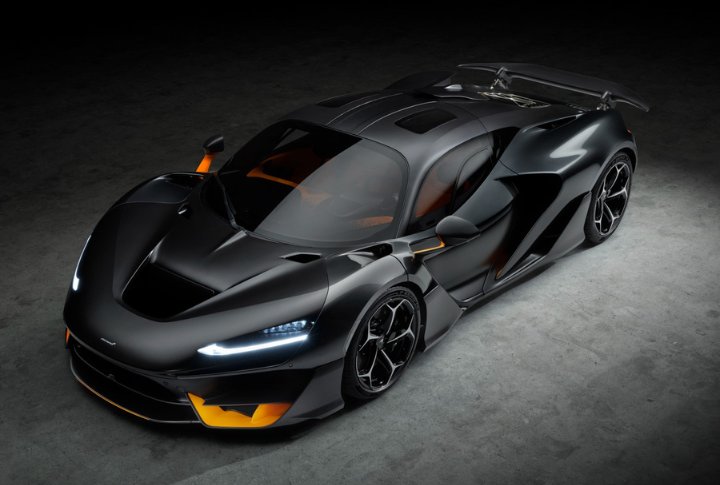
The McLaren W1, the latest addition to the brand’s hypercar lineup, represents the pinnacle of McLaren’s engineering excellence. It houses a twin-turbo V8 engine and an electric motor producing over 1,200 horsepower! Interestingly, that’s not all the tricks up its sleeve.
Active Aerodynamics in the W1

This beauty also features active aerodynamic systems that automatically adjust to driving conditions. These systems enhance downforce while minimizing drag, ensuring maximum stability at high speeds. As a result, the W1 offers exceptional performance and handling.
Lightweight Construction across Models

Additionally, lightweight construction is a core principle of McLaren’s hypercars. The brand’s use of carbon-fiber monocoques ensures structural integrity while reducing weight, enabling better power-to-weight ratios. This trick is heavily borrowed from F1, where McLaren has some mettle.
Formula 1 Influence on Hypercar Engineering
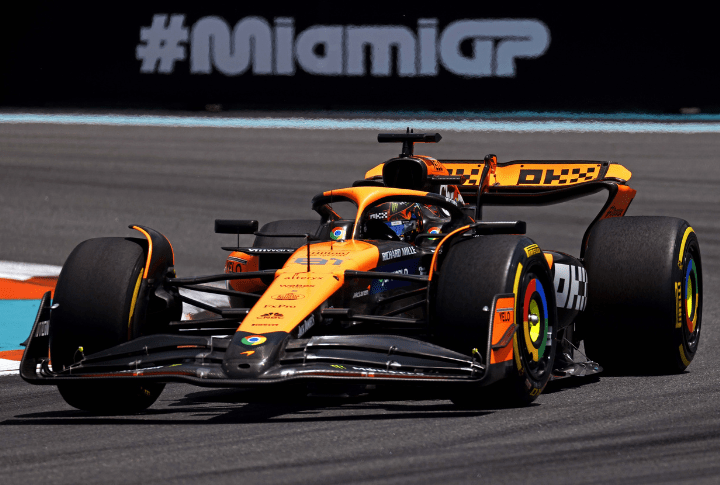
McLaren’s expertise in Formula 1 is reflected in its road cars. Technologies developed for the racetrack, such as active suspension systems and advanced aerodynamics, are adapted to enhance road car performance, ensuring that every McLaren hypercar highlights the brand’s racing DNA.
Legacy and Future Innovation

From the groundbreaking F1 to the innovative W1, McLaren’s legacy of innovation continues to shape the hypercar industry. The brand’s relentless pursuit of innovation ensures that each model builds on its predecessors, and future vehicles will probably continue to blend speed, luxury, and advanced technology.