‘Crazy’ – George Kamel Asks People How Much Their Car Payment Is
George Kamel, the personal finance expert, author, and media personality at Ramsey Solutions, recently hit the streets of Franklin, Tennessee, to ask a simple question: How much are drivers really paying for their cars?
Kamel, who tends to preach against financing, feels shocked at the national car payment average (over $700 a month in 2025). He wanted to see firsthand how people were managing it.
What he found ranged from savvy financial choices to jaw-dropping spending.
“Very blessed” drivers who keep things cheap…or rely on their parents
Some locals have clearly mastered the art of stretching a dollar. But in many cases, they’re leaning on mom, dad, or grandma.
One driver, piloting a 2004 Toyota Highlander, bought his used for $11,000. He’s only floating a $100/month payment, with just a few left to go. Not bad, considering what most folks sign up for these days.
Still, nothing beats “free.”
Another with a 2006 Lexus had inherited it from a grandmother and paid nothing at all. The third guy standing with this group drives a 2015 Lexus that his parents paid for 100%.
Kamel found these examples heartening, despite how rare they are in 2025. In the end, these drivers are keeping bills low, even if it’s with help from family.
Midrange car payments that give Kamel heartburn
Some drivers are comfortable with moderate monthly commitments. One Tesla Model Y lessee is handing over $450 a month on a three-year lease.
“I knew I wanted a nicer car,” they said, weighing the payment against the perks of driving a 2024 EV. It stings Kamel to do the math on camera. That’s over $18k on a car she’ll have to just hand back over to Tesla, zero buyout option. It especially burns knowing she dropped a paid-off Prius to let go of $450 a month on a car she doesn’t own.
By the way, you can find three-year-old Model Ys for around $25k on average.
A BMW owner, however, felt the weight of payments quickly.
Stuck with a payment they regret
A “hesitant” 2024 BMW X3 driver couldn’t hide her feelings. She got it in October 2024, and within a few months, the regret set in.
She has a decent interest rate, but still, this one fits right into the average American: her payment is $734. And by now, she’s thinking about selling it.
The driver has other debt, a mortgage, credit cards, and this car payment is only delaying retirement. Kamel confirms that she could have been investing that cash instead. Unfortunately, she’s now underwater on the BMW. She owes $5,000 more than it’s worth.
The pressure of these obligations was, er, palpable, illustrating Kamel’s point: If your car payment is heavy enough to affect life goals, get rid of it. And if you haven’t signed the papers yet, run away.
Cash is King, but buying new cars with it isn’t always the best idea
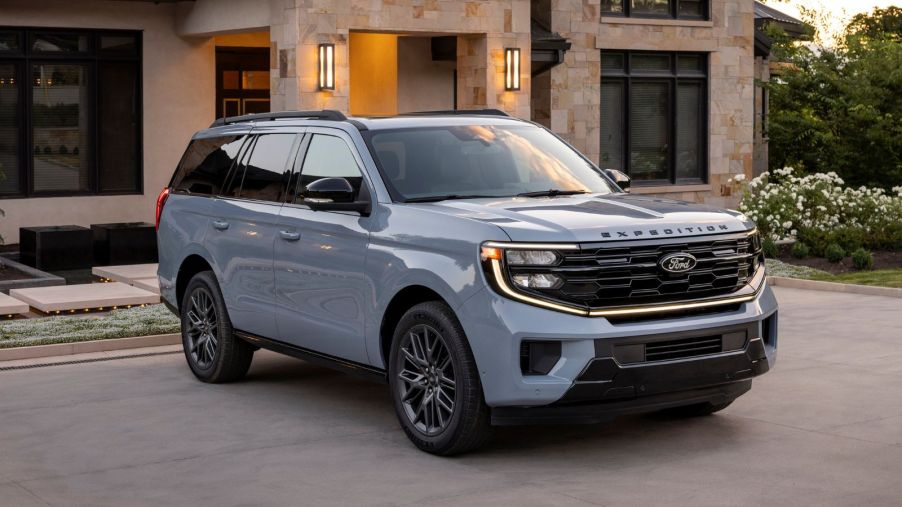
A standout moment came early when a Ford Expedition buyer stunned the expert by paying $80,000 in cash.
She tells Kamel that the salesman even tried to get her to finance…at $2,100 a month. When she asked him, “Who does that?!” He answered, “My car payment is $2,100.” It seemed the salesman was trying to impress her with his huge payment. “There’s nothing impressive about that,” she asserted.
So how could she afford to walk out of a Ford dealership with an $80k vehicle? “We kind of cheated,” she says. See, she and her husband lived in California. They decided to sell their home and move to Tennessee. In the process, they paid off all their debt. They must have made a small fortune off the sale, because they also purchased the Expedition and their new home in cash.
This contrasts sharply with many Americans who finance nearly everything, often at rates and terms that make the total cost balloon. “Good for you guys,” Kamel tells her.
Paying cash for used cars is even better
A 2018 Honda CRV owner took this strategy further, paying cash for a five-year-old vehicle after saving diligently with a budgeting app.
She and her husband set a $350 monthly car fund contribution and just “forgot about it” until they had enough to upgrade. “Over time, it just added up. Don’t touch it.”
She explains that in the meantime, they drove a bit of a beater, a little 5-speed Chevy Sonic.
Another driver says she’s had a 2007 Toyota Highlander for about three years now. It has some rust, but it’s reliable…and paid off.
Still, when Kamel asks if she’s saving in case this one breaks down, she admits that she isn’t. Keep in mind that older cars can die any time, so it’s best to be prepared.
Kamel’s take
After talking to a bunch of drivers, Kamel’s advice was clear. Cars depreciate every day, and interest compounds the cost.
If you can’t pay off your car in two years or if your car-related expenses exceed half your annual income, it’s time to downsize. Paying an “affordable” amount of cash might not get you the flashiest vehicle, but it does offer freedom, less stress, and a smarter financial path in 2025.