Watch out for gas stations that charge an extra $1 per gallon
By now, you’ve probably felt it. That sting at the fuel pump when your credit card bill will hit a little harder than expected. In parts of Florida, drivers keep feeling that sting turning into a full-on gut punch: $1 more per gallon just for using a credit card. And while it might feel like a scam, in most of the country, it’s perfectly legal for gas stations to do.
Take Pat Igo, a small business owner in Palm Beach Gardens, Florida. He just told WPTV in West Palm Beach that his company fuels up a dozen work trucks and burns through about $3,000 a month in gas. When he spotted a tiny note at the pump warning credit card users would pay a dollar more, he asked the station manager if it was a mistake. It wasn’t. The manager flat-out said, “I can make it any number I want.”
And legally, they pretty much can.
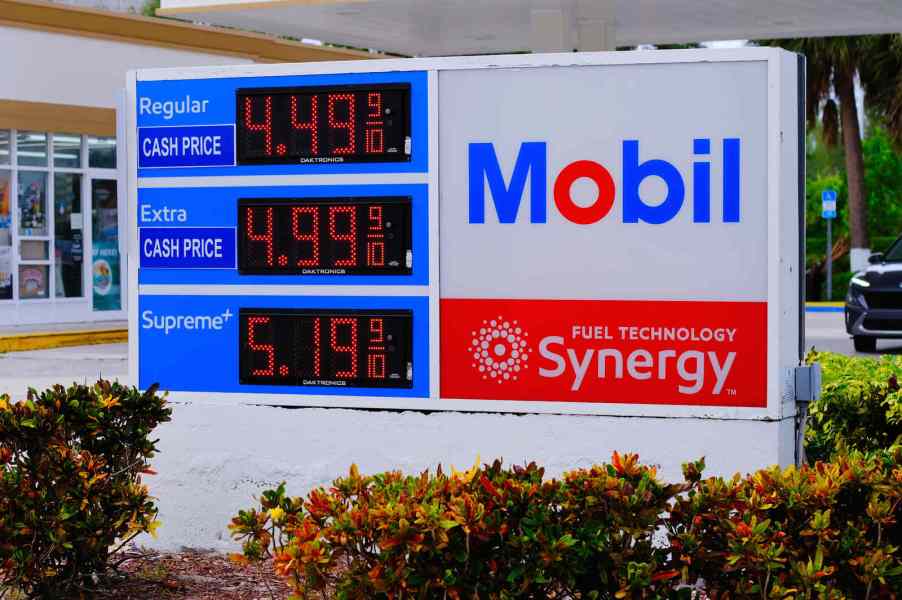
Federal law allows businesses to tack on credit card surcharges to cover processing fees. In Florida, for instance, gas stations might display two prices, one for cash and one for credit, and build the fee into the higher one. But here’s the problem: visibility.
Only Maryland, Massachusetts, and Connecticut require gas stations to clearly display both cash and credit prices on signs visible from the road. The other 47 states? Not so much. That means you could pull in expecting $3.15 per gallon, only to find the pump charging you $4.15, and unless you’re paying attention, you won’t notice until after you’ve fueled up.
Florida used to let counties regulate signage, but a 2015 state law wiped that out in favor of uniformity. In practice, that means minimal oversight. Some stations, especially those near interstates, rely on one-time customers and have little incentive to be upfront.
So what can you do? Check the pump carefully before swiping your card. If the price difference isn’t clear, ask the clerk. Or go old-school and withdraw cash before hitting the road.
A few cents to cover gas station card fees? Reasonable. A full dollar? That’s a surcharge on steroids. Until more states pass laws requiring clear signage, it’s buyer beware. Or better yet, buyer pays cash.