Ford Off the Hook In F-150 Seatbelt Lawsuit After Arguing Passenger Wore His Incorrectly When a Dodge Durango Crashed Into Them
In late 2021, Scott Wade sat in the front passenger seat of a Ford F-150 as it moved through the right lane of the Wendell H. Ford Western Kentucky Parkway. A Dodge Durango heading the opposite direction crossed the median, first striking a Mack truck and then slamming into the Ford.
One person in the Durango died. Others in both vehicles were seriously hurt. Wade was among the injured. He and his wife later sued Ford, alleging the truck’s seat, belt, and load limiter failed when it mattered most.
This wasn’t a question of what caused the crash
That was clearly the Durango’s path. Instead, the lawsuit pointed to what happened inside the F-150 when the collision occurred.
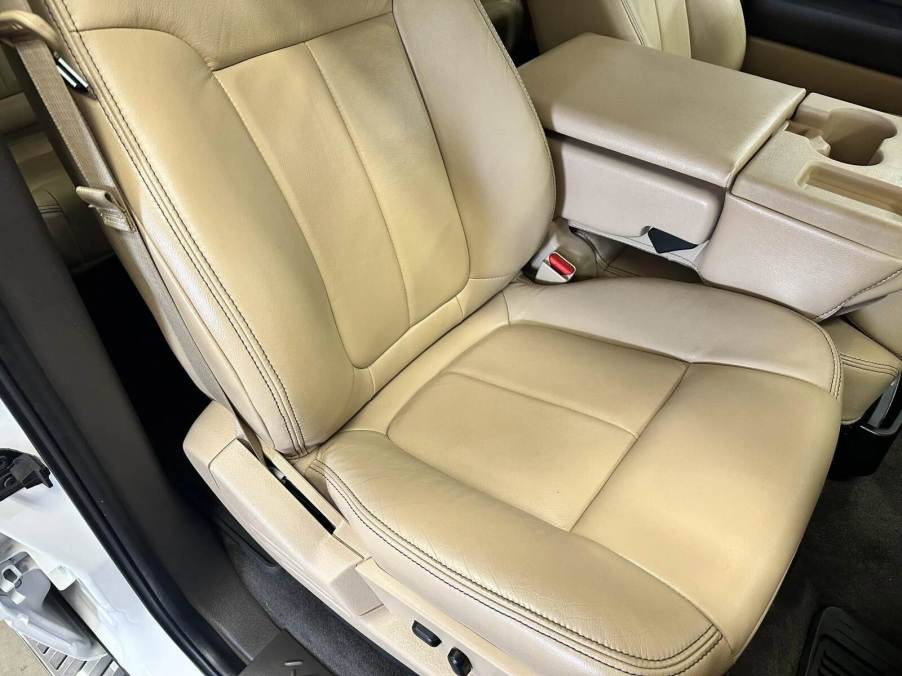
Wade claimed the bottom of his seat “deformed” and introduced slack into the belt. He said it shredded into two pieces. He also said he slid beneath the lap portion due to a defective restraint system.
According to CarComplaints.com, Ford countered by saying the F-150 met or exceeded all safety standards when it left the factory. The company also argued Wade wore the seatbelt improperly.
Not the first time we’ve heard that defense
It’s uncomfortable, especially when serious injury is involved. Still, it’s one automakers lean on when technical compliance and human usage collide. We just reported on a GM lawsuit wherein a seriously injured rear passenger argued her lap belt wasn’t properly designed to keep her safe. GM also argued that at the time of intial sale, the truck met all federal safety standards. And anyway, it claimed, seatbelts don’t necessarily stop injuries. They do, however, prevent worse.
The Ford case went before Judge Greg N. Stivers in the U.S. District Court for the Western District of Kentucky. He handled it as a “crashworthiness” claim. That’s legal shorthand for whether a vehicle should protect you better in a crash, even one it didn’t cause.
In Kentucky, that type of claim requires proof of a safer alternative design that was practical at the time, evidence of how injuries would differ using that design, and a method for showing any enhanced injuries from the alleged defect.
Wade’s expert pointed to other late-model vehicles but stopped short of providing a specific feasible alternative design
The judge said it wasn’t enough to name other vehicles
According to him, proposals must clearly explain how they would be viable in the Ford F-150.
Wade didn’t meet that bar. So the lawsuit was dismissed.
On one hand, it makes sense
If you’re going to accuse a system of failing, you need to show that you used the equipment properly and that there were better designs available.
On the other hand, we’re talking about real people in real crashes. Seatbelts either work or they don’t in that split-second. The court sided with Ford, but the uncomfortable question lingers: is “meeting standards” good enough when lives are on the line?
The case summary didn’t specify the Ford year model. In any event, it’s critical folks wear their seatbelts correctly and understand that even “standard” safety features might not be able to prevent injury under certain conditions.