These Are the Ford Escape Years to Avoid
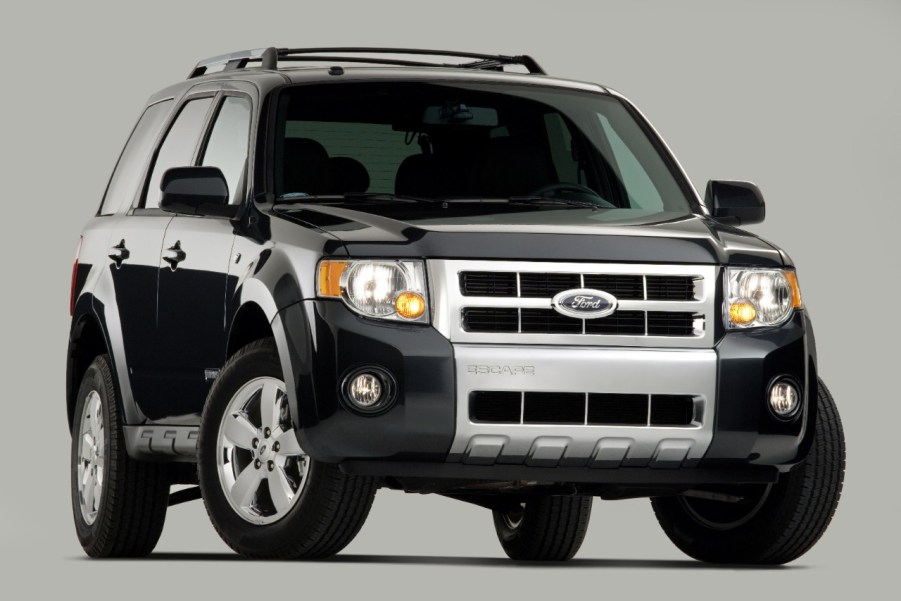
Ford introduced the Escape to the U.S. market in 2001, setting a new standard for compact SUVs. With its smaller size and car-like handling, it became a top choice for drivers seeking the versatility of an SUV without the bulk. Over the years, Ford enhanced the Escape with advanced features, improved fuel efficiency, and cutting-edge safety technologies. Its roomy interior and impressive towing capacity have kept it a favorite in the highly competitive compact SUV market. Drivers love the Escape for its perfect blend of utility, comfort, and dependability. However, not all years have been stellar. Some models stand out for their poor reliability and disappointing owner satisfaction. If you’re considering a used Escape, knowing which years to pass over might save you from frustration. Here, we list five Ford Escape years to avoid and the common problems associated with each.
2005 Ford Escape: Early reliability struggles
The 2005 Ford Escape, part of the first generation, showed early signs of serious reliability concerns. One of the most frequent complaints revolved around transmission issues. Many owners reported transmission failures, often around the 80,000-mile mark. A failing transmission in a vehicle is not only a safety risk but also a hefty expense, costing upwards of $3,000 for repairs.
Additionally, the 2005 Escape was plagued with problems related to its Powertrain Control Module (PCM). The PCM issues often caused erratic engine performance, including stalling and rough idling. These problems led to numerous safety concerns, especially when vehicles stalled in traffic. Combined with suspension noise and rust-prone body panels, this year became a headache for many drivers.
2008 Ford Escape: Steering failures and transmission woes
The 2008 Ford Escape ushered in the second generation of the model, but it came with its own set of significant problems. One of the standout issues was power steering failure. Drivers reported that the electric power steering system would suddenly stop working, making the vehicle extremely difficult to steer. This issue often occurred without warning and posed a severe safety risk.
Transmission problems also persisted in the 2008 Escape. Many owners complained about slipping gears, delayed shifting, or complete transmission failure. These issues made the SUV unreliable for daily commuting or long road trips. Furthermore, problems with the Escape’s hybrid system in the hybrid model added another layer of complexity and repair costs.
The 2008 Escape also had numerous reports of rust, particularly on the rear wheel wells, which affected the SUV’s longevity and resale value. The combination of mechanical failures and rust issues makes the 2008 Ford Escape one to avoid.
2009 Ford Escape: A continuation of troubles
The 2009 Ford Escape, another second-generation model, continued the trend of mechanical and safety concerns. Engine problems were the main complaint for this year. Many drivers experienced sudden engine shutdowns while driving, a terrifying and hazardous issue. The root cause often traced back to faulty throttle body components, which led to engine stalling or hesitation.
The power steering issues from 2008 carried over into the 2009 model. Ford issued recalls for these problems, but the damage to the model year’s reputation was already done. Owners expressed frustration over the costly repairs required to fix the power steering system, which often failed multiple times even after repairs.
Transmission reliability was also a sore spot, with numerous reports of early transmission failures, sometimes as early as 50,000 miles. The combined issues with the engine, transmission, and steering made the 2009 Ford Escape a risky investment for used car buyers.
2013 Ford Escape: Severe engine problems
The 2013 Ford Escape marked the introduction of the third generation, featuring a sleek redesign and a focus on fuel efficiency. However, it also became one of the most problematic years in the Escape’s history. Engine issues dominated the complaints for this model year, with some problems severe enough to lead to fires.
A significant number of drivers reported coolant leaks in the 1.6-liter EcoBoost engine. These leaks often resulted in engine overheating, which could cause significant damage or complete engine failure. In some cases, the overheating led to engine fires, prompting Ford to issue multiple recalls for the 2013 Escape.
Transmission problems also affected the 2013 model, with drivers reporting harsh shifting and transmission slippage. The Escape’s electrical system wasn’t spared either, as faulty sensors and malfunctioning keyless entry systems added to the frustration of ownership. With so many significant issues, the 2013 Ford Escape stands out as a model to avoid.
2014 Ford Escape: Electrical and drivetrain issues
The 2014 Ford Escape followed closely in the footsteps of the 2013 model, inheriting many of its predecessor’s issues. Engine problems remained a major concern, particularly with the EcoBoost engines. Drivers frequently reported sudden loss of power while driving, which created dangerous situations on highways and busy roads.
The transmission continued to be a pain point in the 2014 Escape. Many owners experienced delayed engagement, jerking, and eventual failure of the transmission. Repairs for these issues often exceeded $3,500, making them a costly burden for owners.
The electrical system in the 2014 Escape also faced criticism. Common problems included malfunctioning infotainment systems, faulty sensors, and inconsistent climate control. These issues, while not as severe as engine or transmission failures, contributed to a lower owner satisfaction score.
While the Ford Escape has many great qualities, it’s crucial to steer clear of certain model years with a history of mechanical and safety problems. The 2005, 2008, 2009, 2013, and 2014 Ford Escapes stand out as years to avoid due to their widespread reliability issues and poor owner satisfaction ratings.
If you’re in the market for a used Ford Escape, it’s a good idea to focus on model years that have received high marks for reliability and performance. Consider consulting resources like the National Highway Traffic Safety Administration (NHTSA) database or consumer reviews to make an informed decision. Investing in a pre-purchase inspection by a trusted mechanic can also help you avoid purchasing a problematic vehicle.
By knowing which Ford Escape years to avoid, you can save yourself from unexpected repair costs and enjoy a more reliable driving experience.