Firefighters recommend 5 behaviors to stay ahead of EV fires
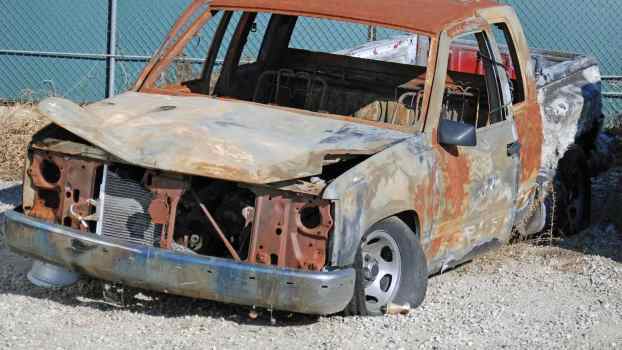
Electric vehicle (EV) fires aren’t quite the spooky monsters that some critics make them out to be. After all, they’re more infrequent than ICE fires by percentage, not just sheer volume. However, that doesn’t mean that every EV owner can’t observe a few safety tips from professionals.
Firefighters and fire science professionals have tips for every electric car owner to lessen the risks of EV fires
Fortunately, while some critics make EV fires out to be something of a Boogeyman, they aren’t frequent occurrences. Wired reported insurance industry findings that, per every 100,000 EVs sold in the United States, about 25 experience fires. That figure compares to 1,500 internal combustion engine (ICE) vehicles. Still, it’s best to stack the deck in your favor regarding battery fires. Consequently, firefighters and fire specialists recommend these fire safety tips.
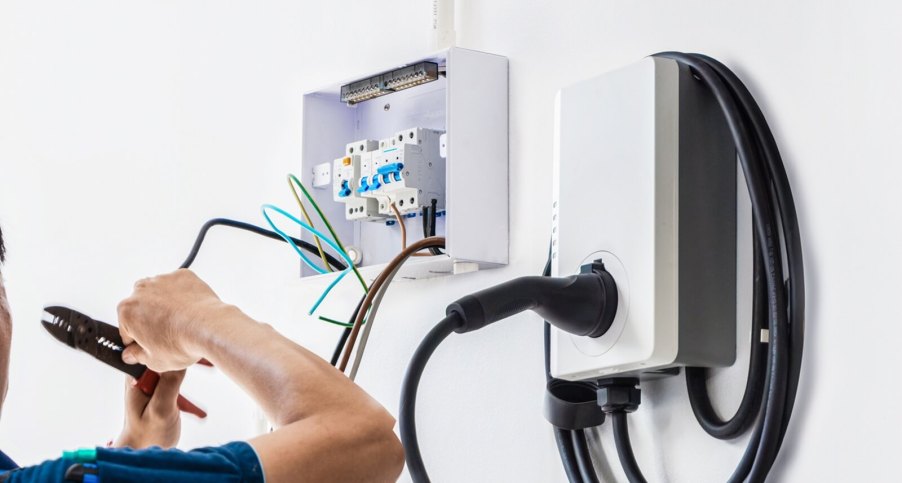
- Have a qualified electrician install your home charging equipment
- Protect your EV from water damage
- Resist overcharging and stow your charger when finished
- If you charge at home, make sure your vehicle is near a functional heat detector
- Use approved chargers
According to the U.S. Fire Administration, would-be electric car buyers should have a qualified electrician install their charging architecture. For instance, some older homes might not be up to the task of powering Electric Vehicle Supply Equipment (EVSE). As such, having a qualified and licensed specialist evaluate or install your charging hardware is vital.
Moreover, Task Force Tips reported that water damage, especially saltwater, can increase the likelihood of a battery fire. Unfortunately, saltwater damage to cars following Hurricane Ian in 2022 led to at least a dozen battery fires following the flooding events.
In addition to protecting your vehicle from damage, you should abstain from overcharging your battery. Doing so can increase the chances of EV fires and thermal runaway. That said, owners should also properly stow charger architecture when finished. Firefighting agencies warn first responders of the dangers of a still-connected charger during a fire.
Further, anyone with a vehicle in their garage, regardless of type, should consider a heat detector. Heat detectors are better suited for garage environments than smoke detectors and can warn you of a potentially deadly fire. Finally, only use approved chargers with your EV. Cheap, questionable charging equipment can increase the likelihood of fires.