What’s the real difference between a traffic ticket and a citation?
You might hear people use “ticket” and “citation” like they’re the same thing. So, what’s the real difference? Spoiler alert: Not much. In most cases, these terms refer to the same thing. Still, here’s the breakdown so you can feel confident next time you get stuck in traffic talk.
A citation = official documentation of an offense
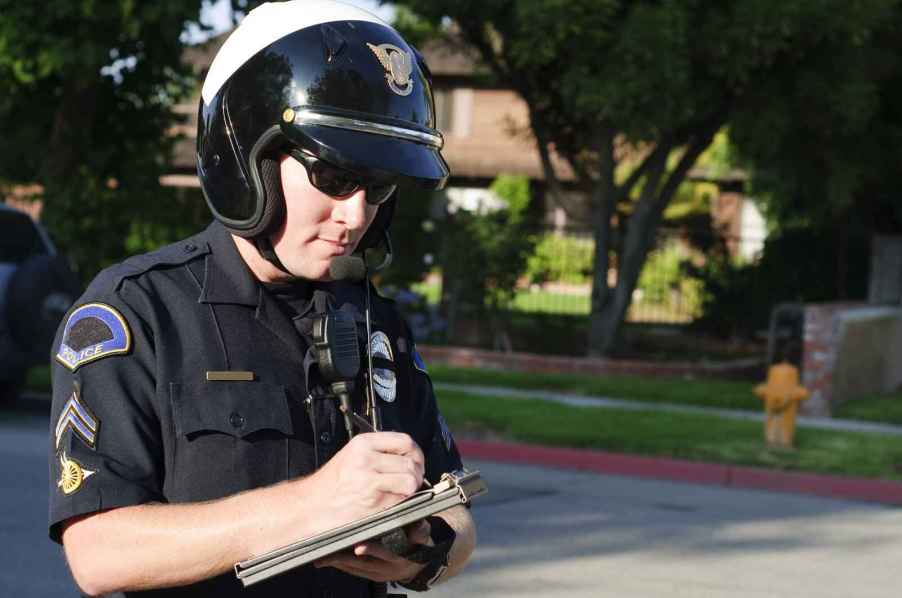
Think of a citation as an official record. When an officer stops you for a traffic violation, they issue a citation to document the offense. It can cover anything from speeding and running a red light to something like a broken tail light. The citation explains the offense, and it’s also a reminder of what comes next—like paying a fine or appearing in court.
A ticket = what most people call the bill
The term “ticket” is just the more casual, everyday way of talking about it. Most people call it a ticket because it feels like you’re “getting a ticket” to pay a fine. So, while “citation” is the legal term used by law enforcement, “ticket” is what everyone says when they talk about paying up. You get a ticket, you pay a fine, end of story, right?
Are there different types of citations?
Yes, and this might be why it gets confusing. There are different types of citations, like an “infraction” or “moving violation,” which involve different offenses. Some citations might just be warnings, meaning you don’t have to pay anything. Others, like moving violations, come with fines, points on your license, or even a required court appearance if the offense is severe.
What to do if you get a traffic citation (aka ticket)
When you receive a citation, read it carefully. It’ll tell you what the offense is, what you need to do next, and any deadlines. You might need to pay a fine, fix something on your car, or go to court. Ignoring it won’t make it go away and can lead to bigger fines or even an arrest warrant.
So, traffic tickets and citations basically mean the same thing. If a police officer hands you a document after a traffic stop, it’s your official notice of a violation. You can call it a ticket or a citation. The important part is what you do next. Follow instructions to formally address them. If you aren’t planning to contest it, pay any fines. Finally, avoid future citations to keep your driving record clean.