Daylight savings time suddenly increases driver fatalities
Some people who have to be up early in the morning enjoy daylight savings time. It provides more light during their commutes or while dropping kids off at school. But it’s actually dangerous as it suddenly increases driver fatalities with the snap of a finger.
Daylight savings time increases driver fatalities
While daylight savings time can be exciting as we fall back an hour for extra sleep, the benefit isn’t worth the risk as driver fatalities immediately increase each year.
According to the American Automobile Association (AAA), there is a significant impact on road fatalities as drivers adjust to their new schedules. The risk of dying behind the wheel may increase by 6.0% as we set our clocks back.
That’s because the time change messes with our sleep schedules. Admit it, you often feel tired and off for a few days after springing forward or falling back.
But the change suddenly happens during the early hours of a Sunday morning, leaving people with no time to adjust before hitting the road to go to work or drop their kids off.
This results in more drowsy drivers getting on the roads early in the morning and less light while people drive home after a long day in the office. Reduced visibility increases the risk of accidents and injuries.
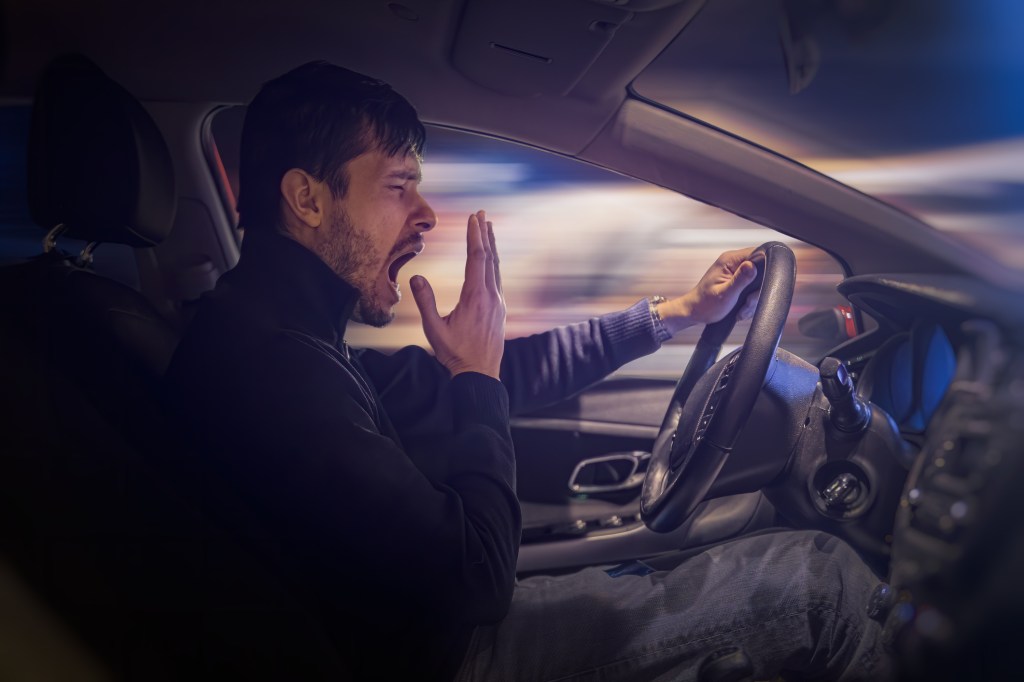
People often feel more fatigued during dark afternoon commutes while sitting in traffic. Police officers know that driving drowsy is a serious issue.
Being tired behind the wheel reduces alertness and response times. It reduces judgment like you’re driving impaired. Plus, it can lead to micro sleeps or temporary lapses in consciousness, increasing the risk of losing control cars.
Roughly 18% of all traffic fatalities between 2017 and 2021 involved a drowsy driver and led to about 30,000 deaths. About 6,725 lives were claimed by tired drivers in 2021 alone.
To keep yourself and fellow drivers safe, get at least seven hours of sleep per night, travel according to your regular schedule, avoid driving when you’re sleeping, take regular breaks during trips, avoid alcohol/drugs, and travel with an alert passenger to take turns with.