10 Common Problems That Surface After Having A Toyota For A While
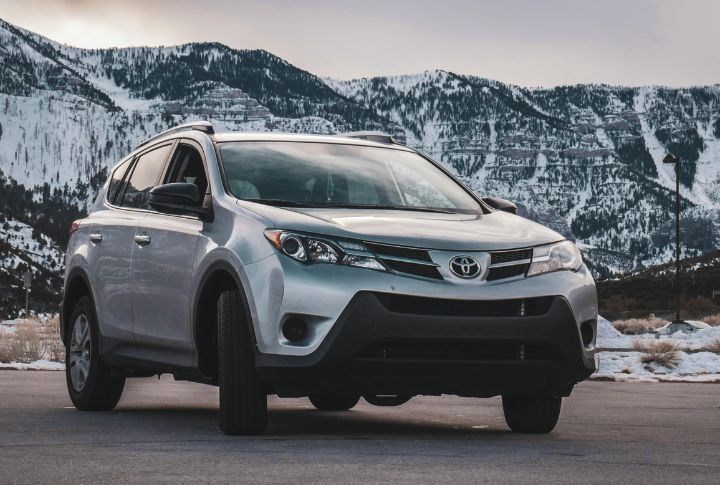
Many buyers choose Toyota for its record of reliability. At first, the choice seems solid. Yet, over time, some weaknesses surface. These aren’t one-off cases—they repeat across models and years. Here are 10 commonly reported problems that challenge the brand’s spotless image once the early satisfaction fades.
Dashboards Cracks
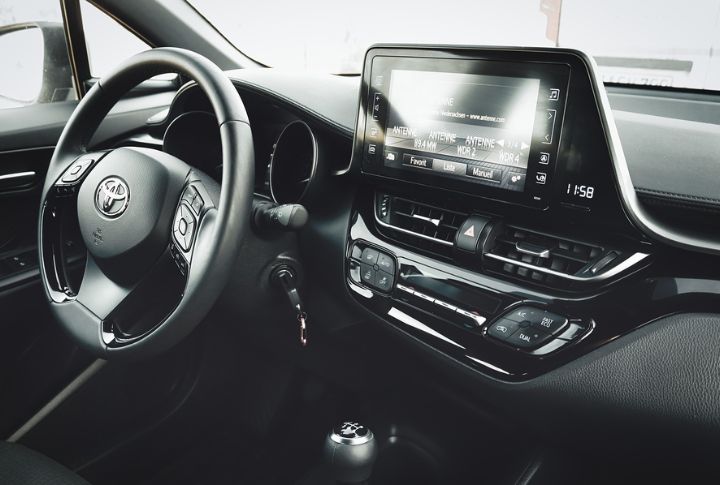
If you own a Toyota from 2003 to 2011, keep an eye on the dashboard. Repeated heat exposure causes the polymer to degrade and stiffen, eventually leading to fracturing. These cracks also increase interior glare, which reduces visibility when sunlight hits the surface and light reflects back to you.
Unintended Airbag Deployment
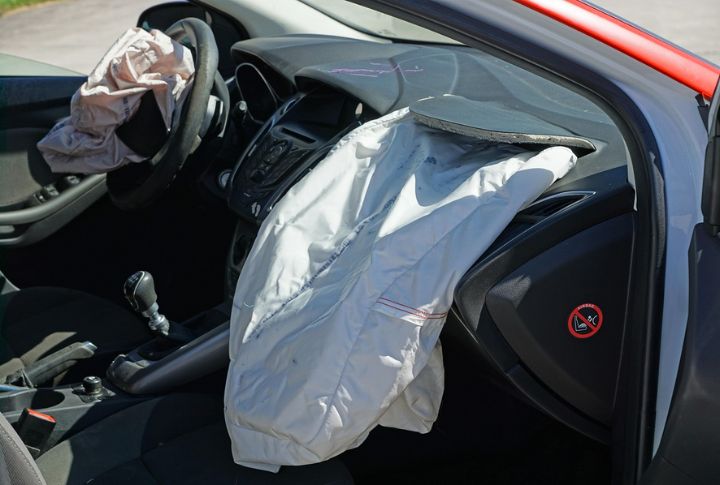
In some Toyota models, like the Tundra and Land Cruiser, airbags went off with no crash at all. It came down to a programming issue, and Toyota recalled the cars. But imagine that happening on the highway. The shock alone could prompt a dangerous situation fast.
Soy-Based Wiring Issues
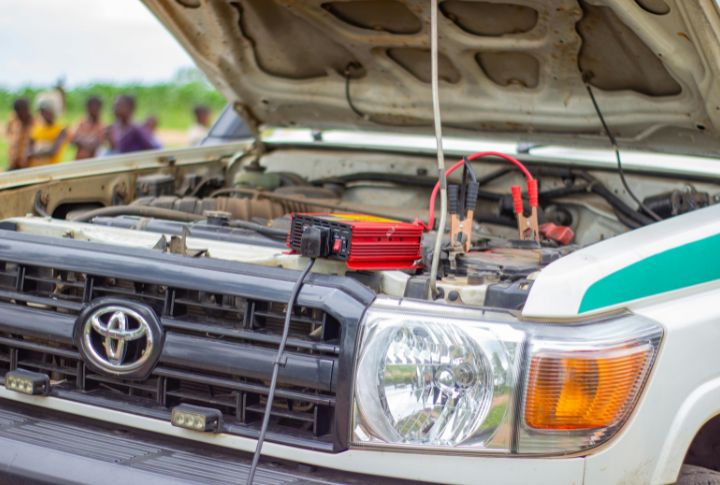
Toyota’s soy-based wiring insulation has created an unexpected issue: rodents. As they chew through cables, drivers face problems like flickering lights or full system failures. Since repairs are costly and the damage often recurs across models, many owners now question their vehicle’s long-term reliability.
Excessive Oil Consumption
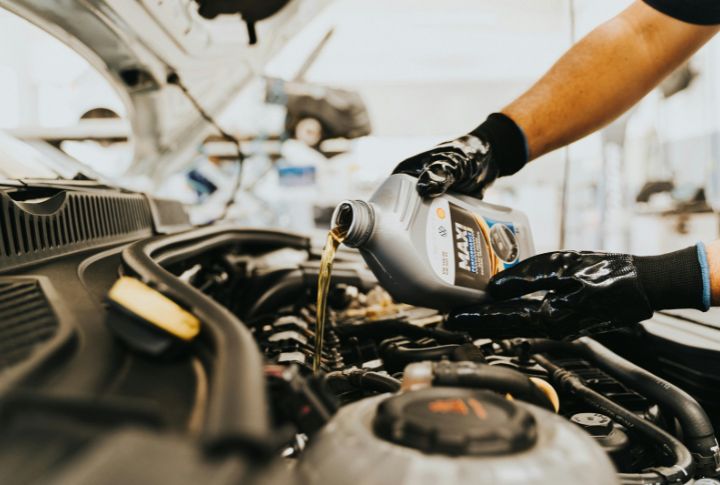
Toyota models produced between 2007 and 2013 often exhibit excessive oil consumption due to faulty piston rings. This problem requires owners to add oil more frequently than usual. Over time, it leads to higher maintenance expenses and increases the risk of engine damage.
Brake System Defects

Faulty brake actuators and hydraulic systems in certain Toyota models can throw off stopping distances. That kind of unpredictability makes it harder to stay in control, especially in critical moments. And when safety’s at stake, delaying repairs could turn a fixable issue into a serious risk.
Rusty Frames
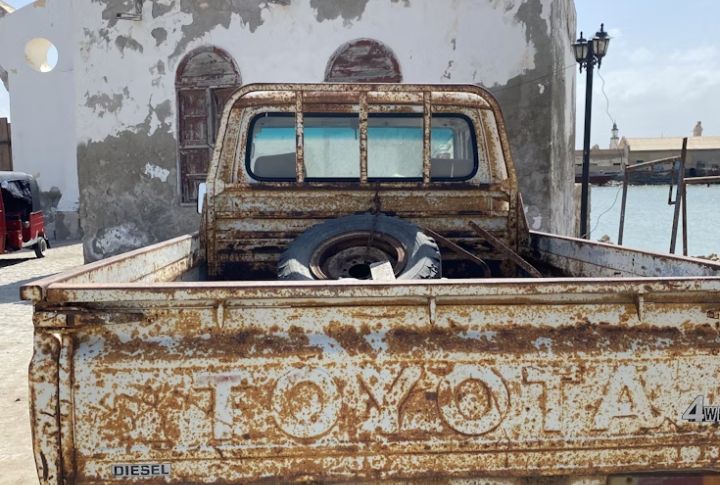
Toyota trucks may be tough, but rust doesn’t care. Models like the Tacoma and Tundra have seen frames rot faster than expected. While recalls fixed a few rides, many folks still end up paying big just to keep their trucks from falling apart mid-drive.
Accelerator Pedal Sticking
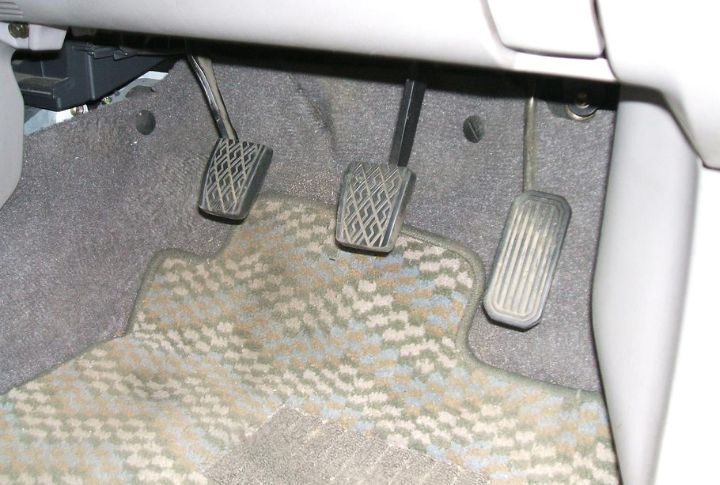
Unexpected acceleration has rattled many Toyota drivers and raised big safety concerns. Turns out, something as simple as a floor mat could trap the gas pedal and send the car surging forward. That discovery sparked massive recalls and demonstrated how even small design flaws can pose serious dangers.
Wiper System Failures

Windshield wipers can fail in select Toyotas due to corrosion in the motor joint. This doesn’t happen all at once. Instead, performance gradually declines. As a result, rainy-day driving becomes more hazardous since poor wiper function directly affects visibility of the road ahead.
Transmission Hesitation
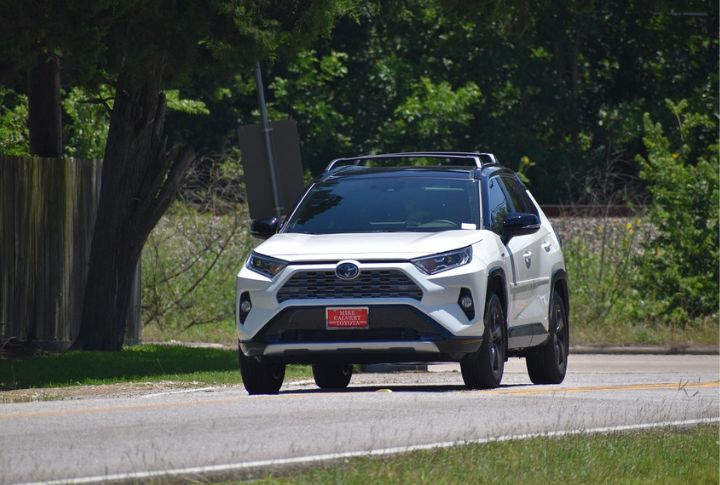
Drivers of older Toyota RAV4 and Camry models often experience rough shifting and hesitation when accelerating. These issues make it harder to merge or keep up with traffic. What makes it worse is that they usually point to transmission trouble, which can pave the way for expensive, time-consuming repairs.
Faulty Power Window Switches
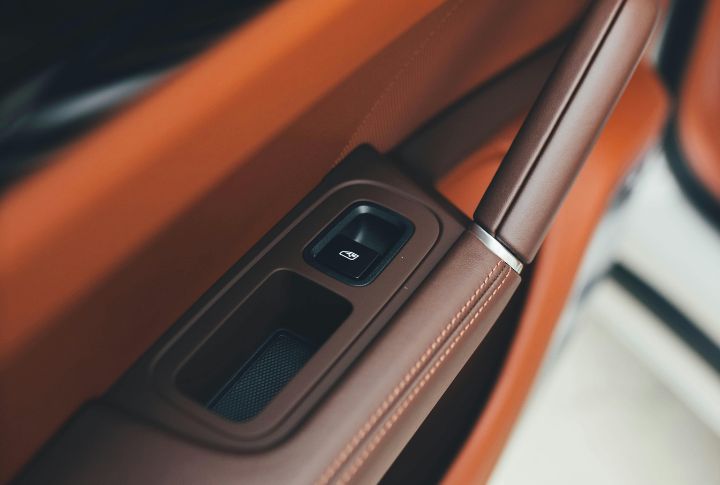
Lack of proper lubrication within certain Toyota power window master switches causes overheating. Such heat can trigger short circuits that may melt assembly components. Because of the resulting fire hazard, prompt repair or replacement of the faulty switch is essential to ensure safety.