15 Common Cybertruck Issues
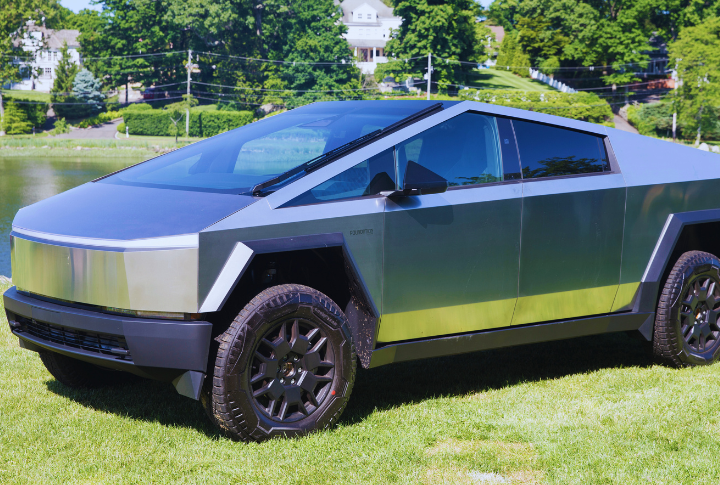
The Tesla Cybertruck has already made waves in the automotive world. Unveiled in 2019 and set to debut in 2024, this electric truck captured the world’s attention. However, several issues, like those listed in these slides, could affect its performance, practicality, and appeal to potential buyers.
Design Polarization
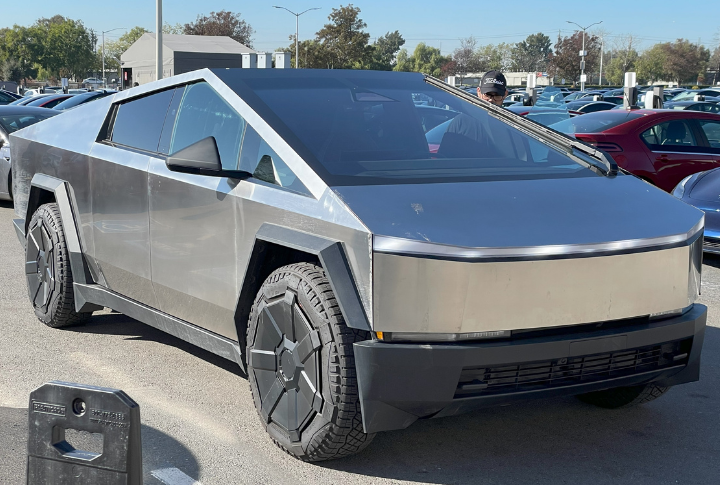
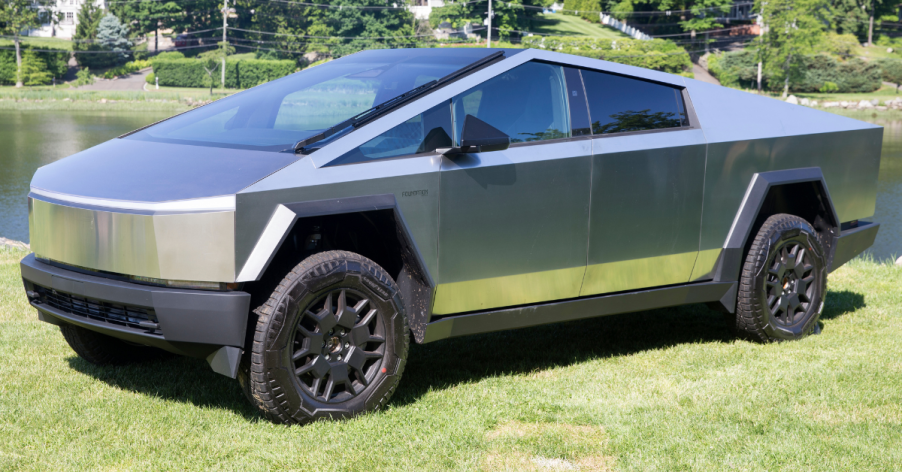
Cybertruck’s unconventional, angular design has polarized opinions among consumers and experts. While some praise its boldness and futuristic aesthetics, others criticize its impracticality and lack of traditional truck features. Concerns about aerodynamic efficiency and pedestrian safety are valid, as the design deviates from standard automotive shapes.
Production Delays
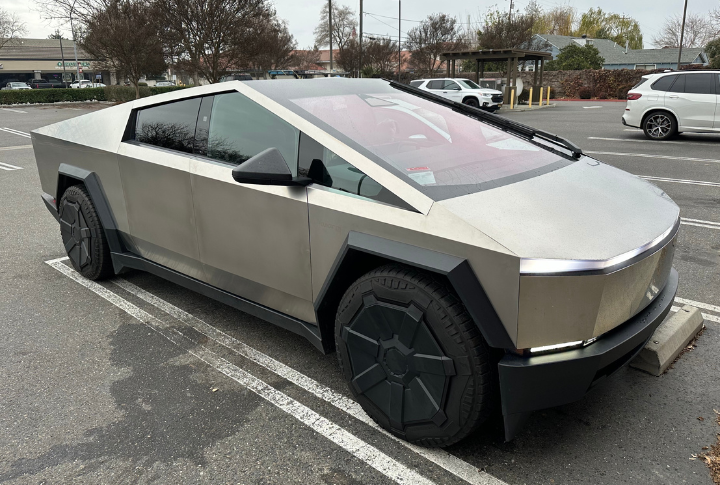
Since its unveiling in 2019, the Cybertruck has experienced extensive delays. Initial production, expected to begin in late 2021, has now been pushed to 2024. Factors contributing to these delays include ongoing supply chain issues, particularly the global chip shortage and the complexity of the vehicle’s unique design.
Stainless Steel Body Challenges

The vehicle’s body, crafted from ultra-hard 30X cold-rolled stainless steel, is a significant aspect of its durability but presents various challenges. Its hardness complicates stamping and shaping processes, leading to higher production costs and repairability issues. In addition, it’s prone to scratches and dents, which may affect the vehicle’s aesthetics.
Bulletproof Glass Incident

During the Cybertruck’s unveiling, a demonstration intended to showcase its “armor glass” went awry when the windows shattered after being struck by a metal ball. This incident raised serious questions about the glass’ reliability. Although Tesla says improvements have since been made, skepticism remains regarding whether these enhancements are adequate.
Weight and Size Concerns
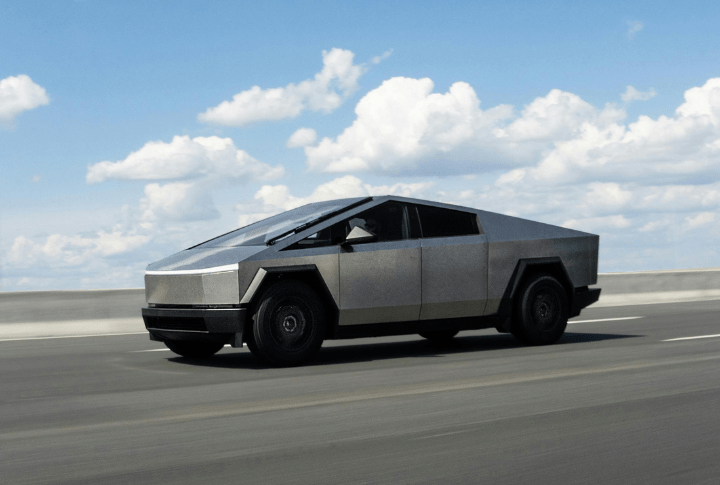
Because of the Cybertruck’s size and weight, concerns regarding maneuverability and efficiency have been raised. Its heavy stainless steel construction and large battery pack contribute to its weight, which could affect handling, fuel efficiency, and wear on road infrastructure. Additionally, its bulkiness may make parking and navigation difficult.
Regulatory Issues
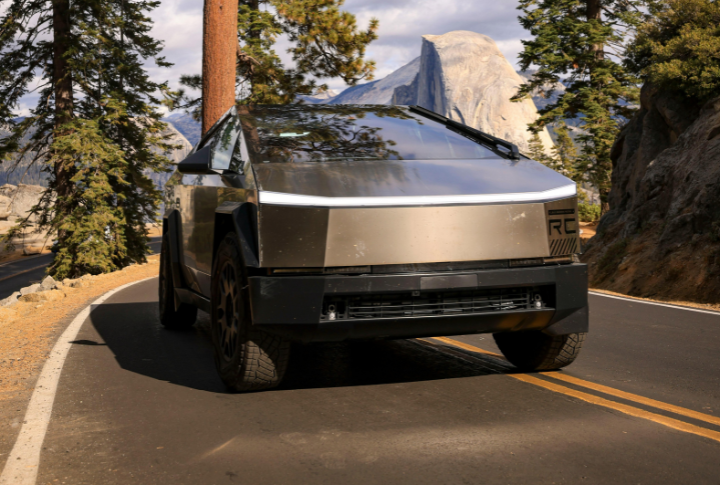
Tesla faces potential regulatory hurdles because the Cybertruck’s design may not meet traditional automotive standards in various regions. Challenges to pedestrian safety features, lighting requirements, and crash safety standards could necessitate design modifications before approval in key markets like Europe and Asia.
Autonomous Driving Controversies
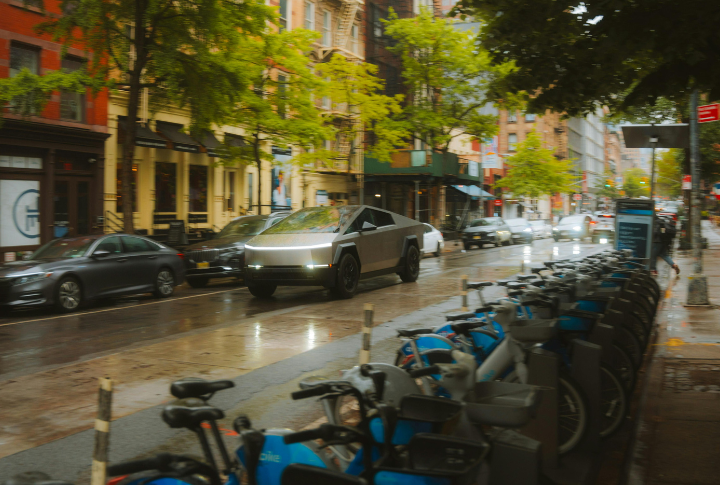
Features like Tesla’s Autopilot and Full Self-Driving (FSD), expected in the Cybertruck, have been under scrutiny. Critics question the reliability of the systems, particularly following accidents attributed to software malfunctions. Consumer confidence could be adversely affected if these concerns are not adequately addressed.
Battery and Range Limitations

While the Cybertruck promises impressive range figures of over 500 miles for higher-end models, achieving these numbers will depend on advancements in battery technology. Any setbacks in the production or performance of these batteries could impact the vehicle’s overall range and delivery timelines.
Price Increases and Affordability

Though the price of a Cybertruck was initially announced to start at $39,900 for the base model, the rising production costs have increased this amount. Tesla has signaled that final prices will likely be higher—possibly around $50,000 or more for entry-level variants.
Charging Infrastructure Limitations
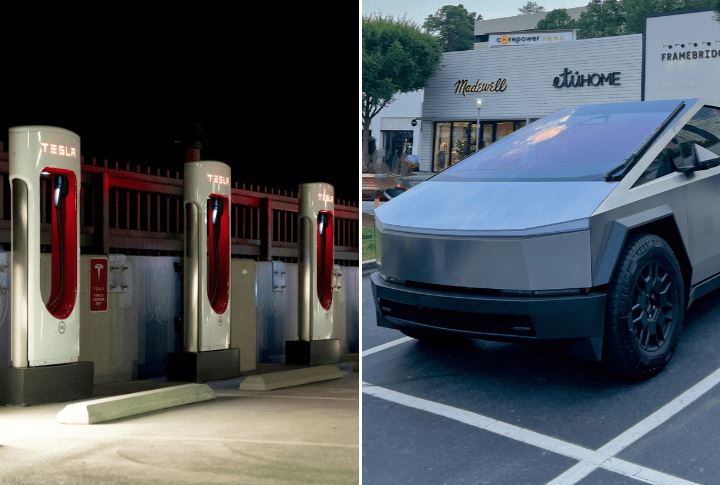
Tesla has developed an extensive Supercharger network. Still, an influx of electric vehicles like the Cybertruck could lead to congestion at charging stations. Given the vehicle’s larger battery size, quicker charging solutions are critical. Therefore, enhancing charging infrastructure will be essential for accommodating increased demand.
Durability of Exterior Finish

While marketed for its toughness, the Cybertruck’s unpainted stainless steel exterior raises concerns about its susceptibility to scratches and dents. Unlike painted surfaces that can be touched up easily, any cosmetic damage on stainless steel may be more visible and challenging to repair.
Towing and Payload Limitations
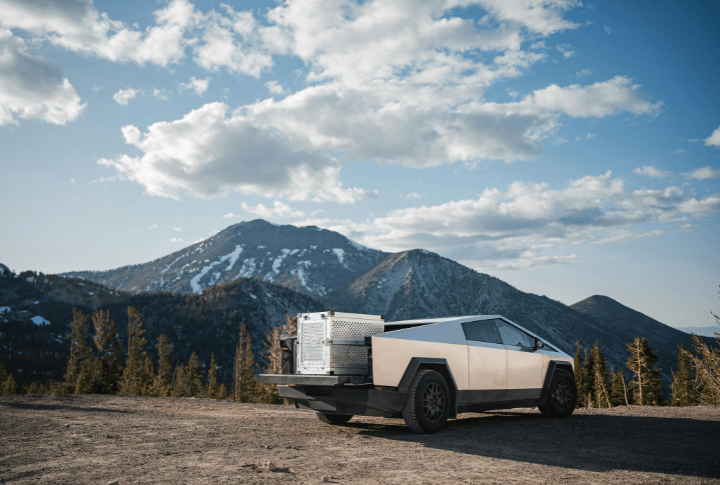
Although Tesla claims impressive towing capacities for the Cybertruck, real-world performance can vary. Factors like battery drain under heavy loads or adverse weather scenarios greatly limit the vehicle’s towing capabilities. These factors may lead to reduced efficiency or range when carrying substantial payloads.
Interior Design Simplicity
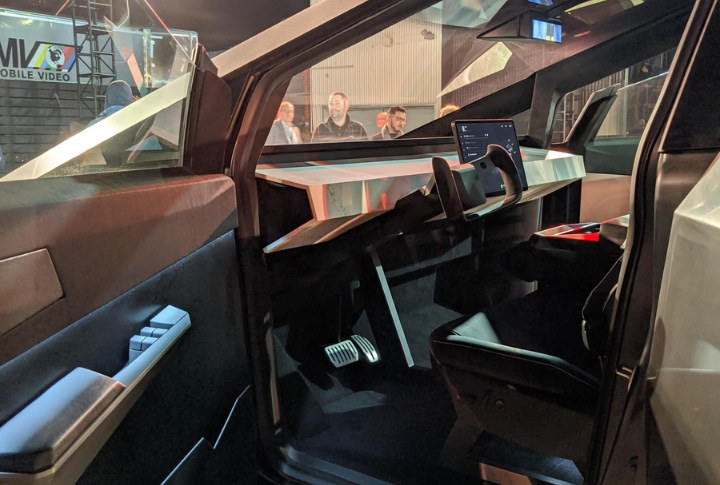
The Cybertruck features a minimalist interior that aligns with Tesla’s brand ethos. However, it has faced criticism for lacking comfort features found in many high-end trucks. Traditional truck buyers often expect more luxury elements and practical controls; thus, this stark interior might deter some consumers who prioritize comfort alongside utility.
Market Adaptability
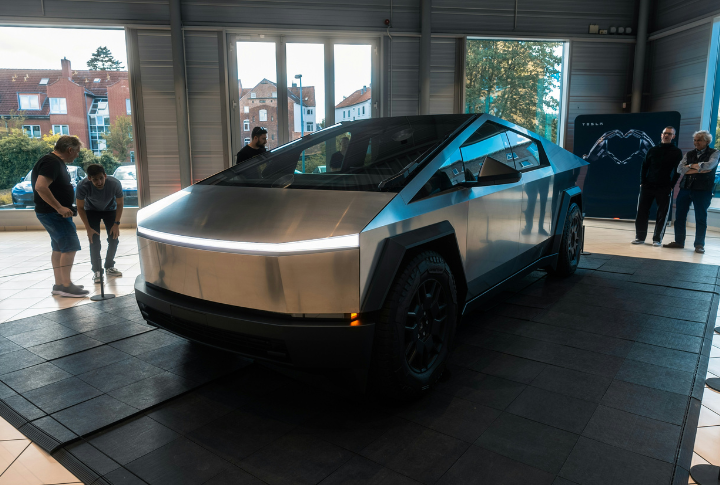
This truck’s unconventional design may restrict its appeal within traditional truck markets, where consumers typically favor rugged aesthetics and utility-focused features. Its futuristic style may not resonate with buyers who prefer established models from brands like Ford or Chevrolet that take on classic truck characteristics.
Competition from Legacy Automakers
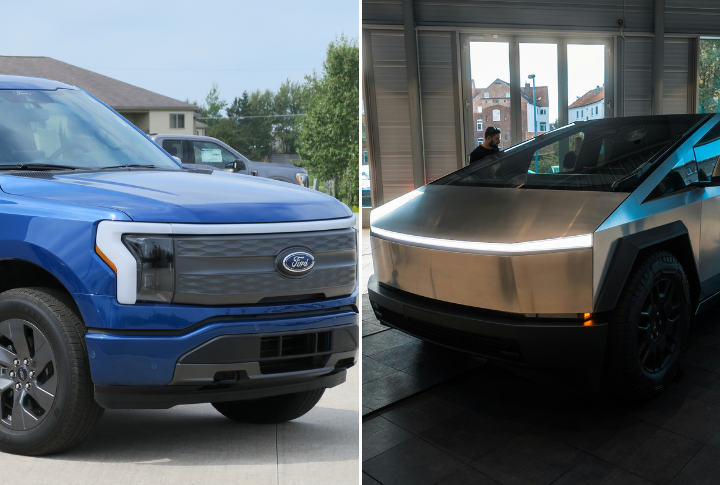
As Tesla continues to delay the release of the Cybertruck, legacy automakers like Ford with their F-150 Lightning are gaining traction in the electric truck market by leveraging established manufacturing capabilities and brand loyalty. This competitive prospect pressures Tesla to deliver a product that stands out amidst growing options.