China’s move to block magnets from entering the US is already halting car production
In a year already riddled with supply chain headaches and trade tensions, America’s car industry is staring down a new and unexpected hurdle involving, of all things, magnets.
Yes, magnets
Those seemingly mundane metal bits that power everything from electric motors to tiny sensors are now in dangerously short supply. According to industry sources speaking with Kelley Blue Book, the issue stems from escalating trade disputes between the U.S. and China that could bring U.S. auto manufacturing to a standstill in a matter of weeks.
This latest twist in the U.S.–China trade saga revolves around rare earth magnets. These are critical to modern vehicles, whether fully electric or old-school internal combustion. Electric cars, of course, rely on them heavily for propulsion. But even gas-powered models depend on magnets in everything from alternators and power steering systems to safety sensors, seat belts, and even the speakers.
Two major trade groups, the Alliance for Automotive Innovation and MEMA, the Vehicle Suppliers Association, recently raised the alarm in a letter to the White House
Together, they represent both the automakers and the parts suppliers that keep the industry humming. Their message was clear: If the magnet supply keeps drying up, factories could start going dark.
Car factories operate on a just-in-time system, KBB shared. That means components roll in right when they’re needed, with little stockpiling. It’s efficient but fragile. One missing part, even something as seemingly minor as a magnet, can bring production to a halt.
This isn’t just a warning. It’s already happening.
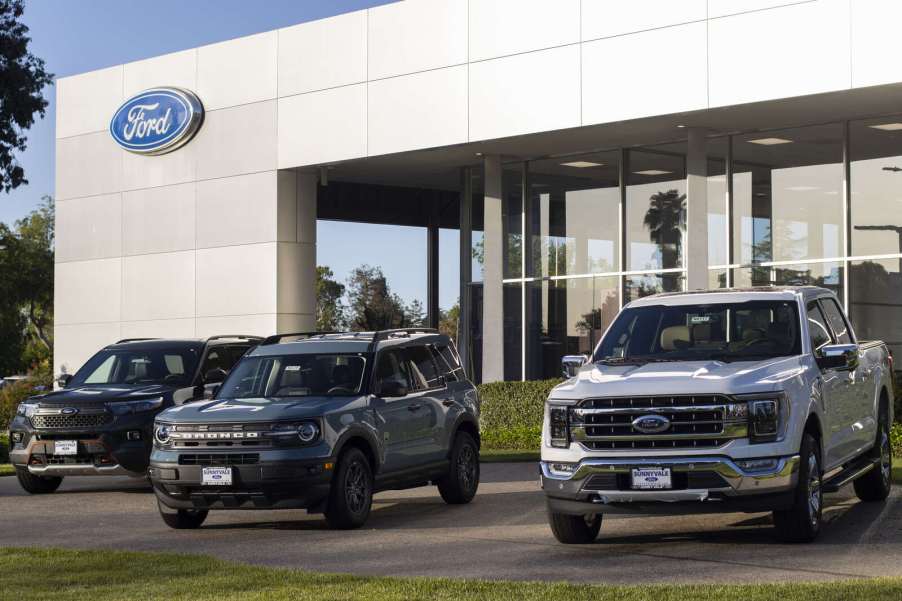
Ford paused production of its Explorer SUV for a week in April. The company confirmed to Kelley Blue Book that the pause was due to a magnet shortage, though it used the time for planned maintenance.
Volvo hit pause, too, at its South Carolina plant that builds the electric EX90 and Polestar 3. The company cited a supply chain issue but stopped short of naming magnets as the culprit. Still, the timing raises eyebrows. Volvo resumed production on May 31.
With both countries playing economic chicken, the U.S. auto industry is left stuck in the middle. If a resolution doesn’t come soon, the phrase “supply chain disruption” might be the summer’s most unwelcome comeback tour. Sure has Covid-era vibes, doesn’t it?