10 Cars Whose Popularity Plummeted Faster Than They Could Accelerate
Some cars hit the streets like a meteor, only to fizzle out just as fast. Whether because of design missteps, shifting trends, or better competition, these cars went from “must-have” to “forgotten” in just a few short years. Let’s joyride through 10 vehicles that couldn’t keep up with the rest in the fast lane of popularity!
Pontiac Aztek (2001-2005)
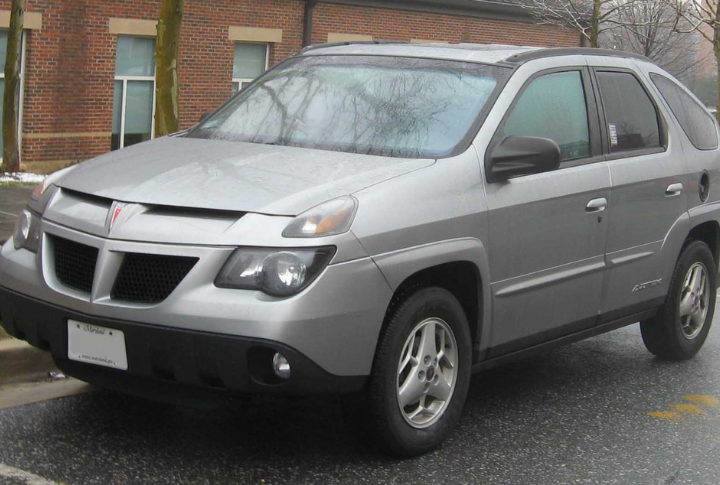
If Breaking Bad had been released three years earlier, Heisenberg’s minivan could have sold based on its on-screen notoriety. Sadly, by 2005, buyers had enough of its boxy, awkward design and confusing crossover identity. Featuring numerous “ugliest cars” lists didn’t help it either. It’s a shame because, underneath that exterior, it was a versatile, roomy vehicle.
Ford Thunderbird (2002-2005)
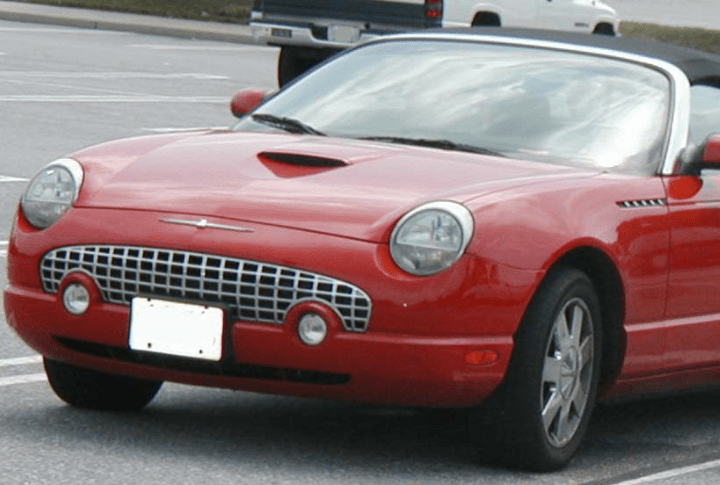
Counting on nostalgia to revive a classic icon is a flawed strategy without a good product, as Ford was about to discover with its 2002 iteration of the legendary Thunderbird. Its retro styling was cool but lacked the performance or innovation needed to compete. Despite initial buzz, it quickly faded into the background.
Plymouth Prowler (1997-2002)
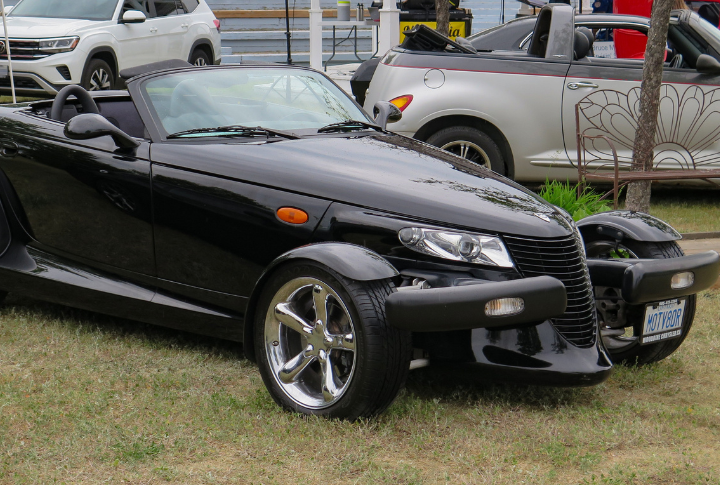
The Plymouth Prowler screamed hot rod but didn’t back up its wild looks with the expected muscle. Despite a design that turned heads, its V6 engine was a letdown for gearheads, hoping for a roaring V8. Its novelty wore off fast; by 2002, it had already lost traction with buyers who craved actual performance.
Chevy SSR (2003-2006)
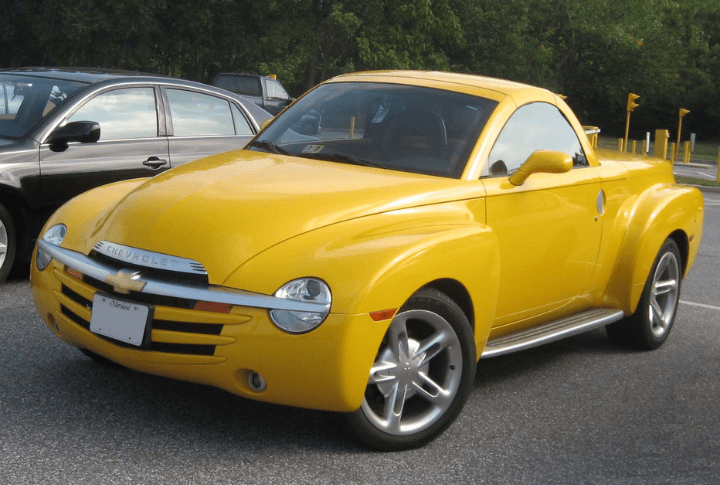
The Chevy SSR was part pickup and part convertible, and full confusion. Chevy aimed for a unique blend of styles, but the result was a vehicle that didn’t excel at any of them. It was neither practical nor fast, and with a steep price tag, it struggled to find a niche audience, quickly fading from the market.
Honda CR-Z (2010-2016)
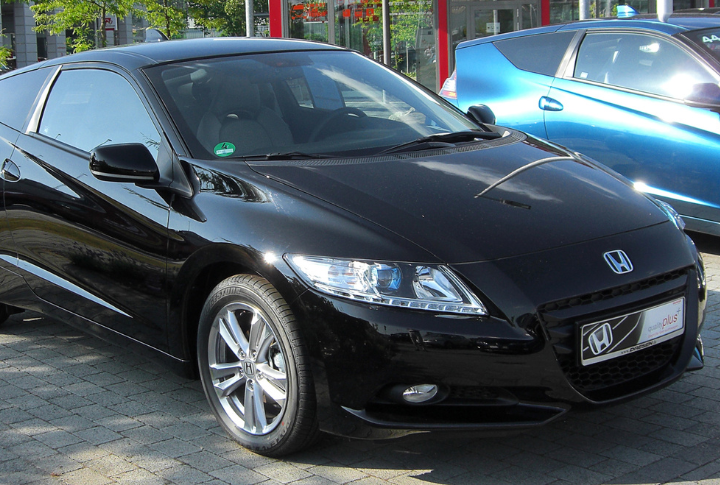
Honda tried reviving the sporty CRX spirit with the CR-Z, but adding a hybrid system stuck between eco-friendly and fun. It was too slow to appeal to enthusiasts and didn’t have the fuel efficiency to wow hybrid buyers. Its hybrid-sport compromise had left most drivers cold, leading to its discontinuation in 2016.
Cadillac XLR (2004-2009)
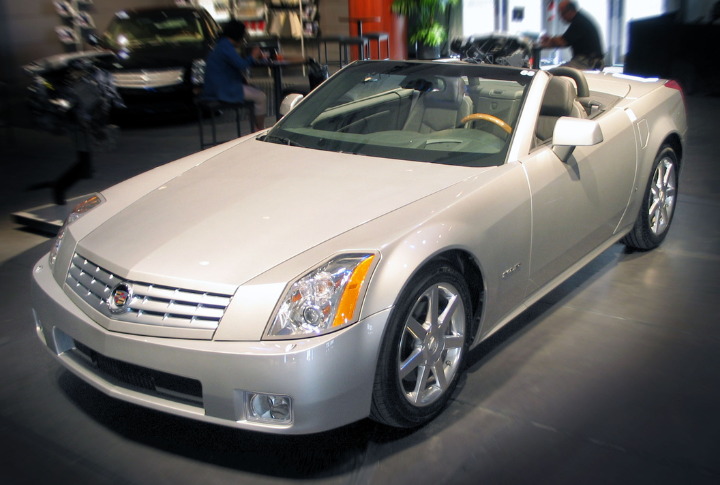
Cadillac’s attempt to enter the luxury roadster scene with the XLR didn’t go as planned. It had the looks and a hefty price tag, but it didn’t have the performance to back it up. Overshadowed by the more dynamic Corvette, the XLR struggled to find its place. Its high cost and underwhelming driving experience led to its short-lived popularity.
Nissan Cube (2009-2014)
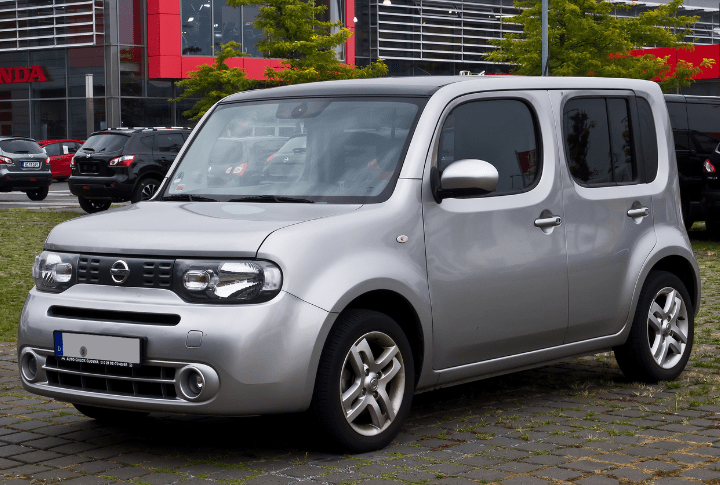
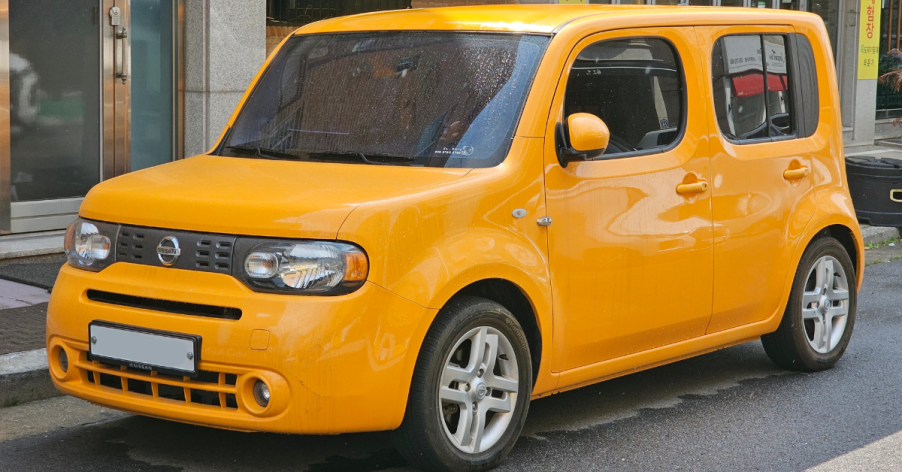
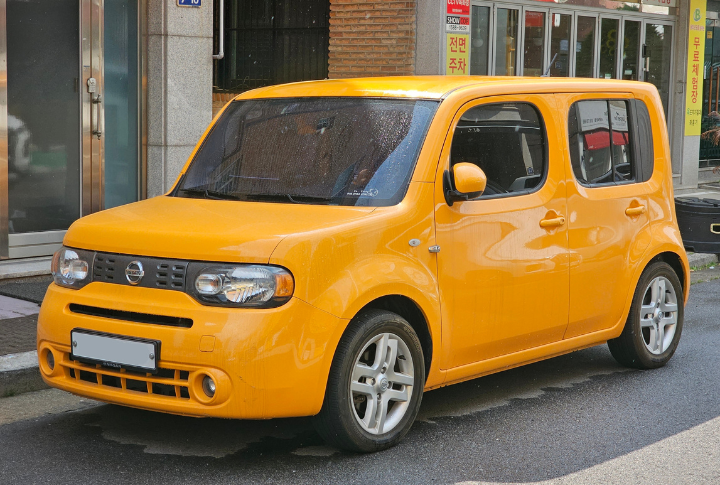
The Nissan Cube’s quirky, asymmetrical design got plenty of attention—just not for the right reasons. Aimed at younger drivers, it failed to resonate with any significant market. Despite its roomy interior and practicality, the styling was just too polarizing. By 2014, Nissan decided to pull the plug on the love-it-or-hate-it Cube.
Chrysler Crossfire (2004-2008)
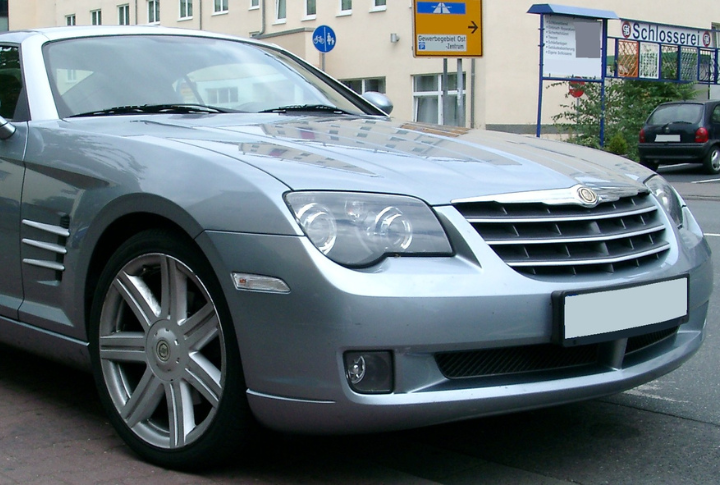
When the Chrysler Crossfire hit the market, it promised to be a sleek, affordable sports car. Unfortunately, it was based on old Mercedes-Benz SLK technology, and the performance wasn’t enough to compete with fresher rivals. Its cramped interior and uninspiring driving experience led to a quick drop in sales, with Chrysler discontinuing it after just four years.
Scion xB (2004-2015)
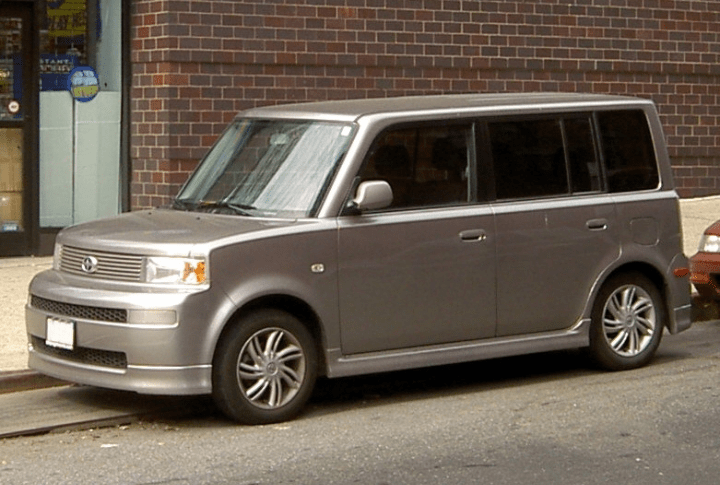
The Scion xB was a hit when it first appeared—its boxy design screamed individuality and young drivers loved it. But as time passed, tastes changed, and what was once cool became “dated.” The second generation’s softened design didn’t help either, leading to a decline in interest. Scion pulled the xB from the lineup in 2015, marking the end of an era.
Smart Fortwo (2008-2019)
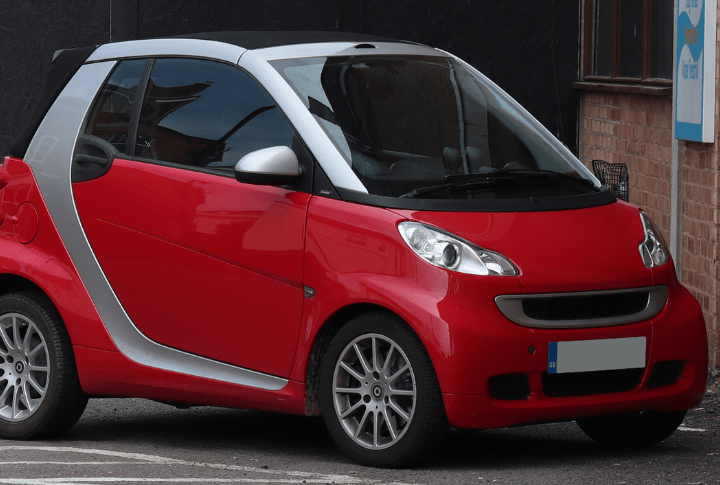
The Smart Fortwo was supposed to revolutionize city driving, but in the U.S., its tiny size and underpowered engine couldn’t keep up. Americans wanted more space and speed, and its eco-friendly charm couldn’t save it. Despite its compact appeal, it quickly became a niche choice, and after a decade, Smart quietly exited the U.S. market.