California Drivers Should Know 4 New Driving Laws for 2026
As of January 1, 2026, several new traffic laws are in force across California. They target roadside safety, deadly impaired driving, e-bike visibility, and even a small but useful DMV headache. None are flashy, but all matter the next time you merge, stop, ride, or get pulled over.
Here’s what drivers should actually know.
1. “Move-Over Law” now applies to all stopped vehicles
Assembly Bill 390 is the big one. Authored by Democratic Assemblymember Lori Wilson, it expands California’s long-standing slow-down, move-over rule.
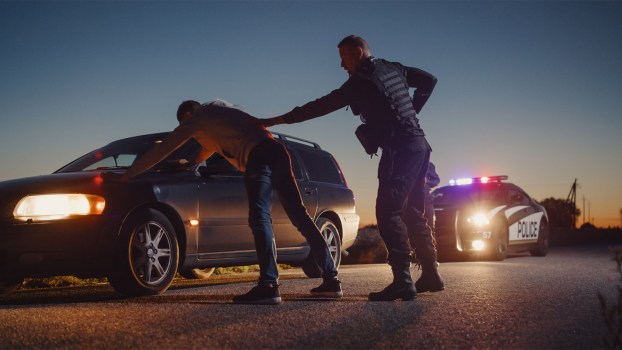
Until now, drivers only had to change lanes or slow down for emergency vehicles, tow trucks, or road crews with flashing lights. Starting in 2026, that protection extends to any stopped cars on the roadside.
If you see a car pulled over, you must move over a lane when it’s safe. If you can’t, you must significantly reduce speed. Fines can reach $1,000, especially for repeat violations.
AAA Northern California’s Doug Johnson told ABC 10 that the change addresses a deadly reality. California ranks second nationally for deaths involving people struck while outside disabled vehicles.
The California Highway Patrol says enforcement will focus on unsafe driving near roadside stops and construction zones, including speeding and weaving through cones.
2. Longer probation for DUI drivers who kill
Assembly Bill 1087 tightens consequences for the worst impaired-driving outcomes. Written by Republican Assemblymember Joe Patterson, the law increases probation terms for drivers who kill someone while driving under the influence.
Previously capped at two years, probation now ranges from three to five years at sentencing.
AAA says public support for tougher DUI laws continues to grow. In its recent survey, more than half of Americans favored lowering the legal blood-alcohol limit.
This law does not change DUI limits. It changes accountability after a fatal crash.
3. New visibility rules for e-bikes
Assembly Bill 544 targets a fast-growing safety problem. E-bikes and scooters are involved in more crashes, especially in urban areas.
The law, authored by Republican Assemblymember Laurie Davies, requires all electric bicycles to have either a rear red reflector or a flashing red light at all times, not just after dark. That applies to pedal-assist and motorized e-bikes statewide.
Law enforcement says better visibility is the goal.
4. Easier DMV license replacement for address changes
Finally, a practical tweak. Californians can now request a duplicate driver’s license solely to update an address, as long as they immediately destroy the old one.
Before this change, duplicates were only allowed if the license was lost. It’s a small fix. Anyone who’s moved recently will appreciate it.
These laws won’t change how California looks from the driver’s seat. They will change what’s expected when things go wrong or e-bike operators aren’t easy to see. And on busy roads, that’s usually where safety starts.